
We are OPEN and following CDC Guidelines

Hazlet 732-264-3668

How Podiatrists Treat Painful Hammertoes

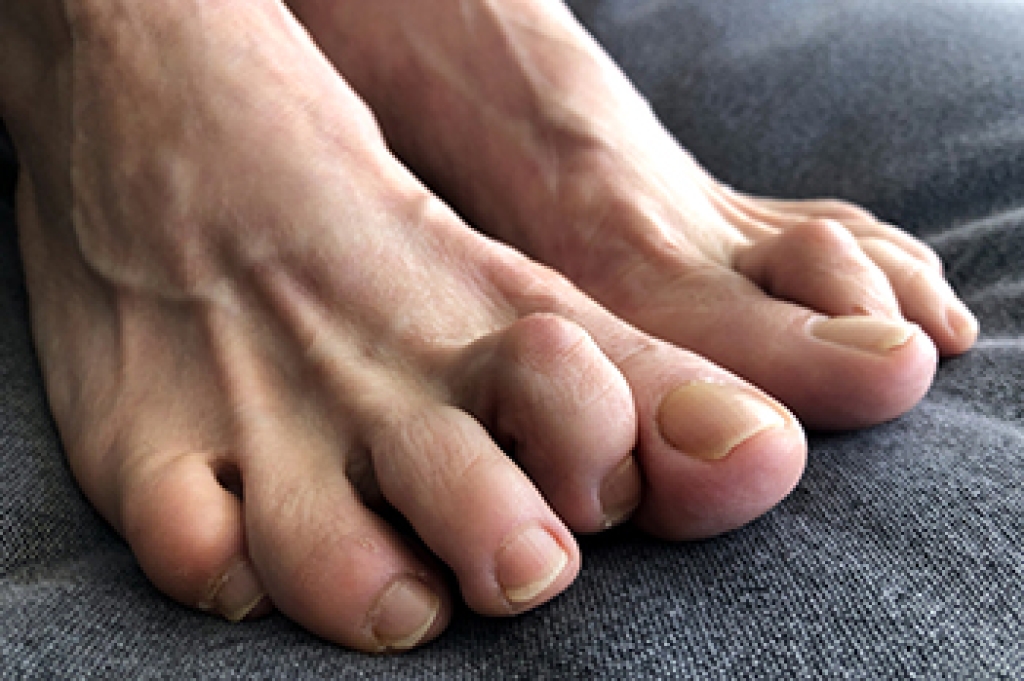
A hammertoe develops when one of the smaller toes stays bent at its middle joint instead of lying flat. This bend resembles an upside-down V. The second toe is affected most frequently, although the third or fourth toe can also develop the deformity. One cause of a hammertoe is a muscle or tendon imbalance that can pull the toe out of its normal position. Other factors include arthritis, an unusually long toe, and poor alignment of the foot joints. At first, the toe may remain flexible and straighten when moved. It can later become stiff and fixed in place.

Symptoms can include pain, swelling, and redness around the bent joint. The raised area may rub against a shoe, leading to a corn or open sore. Pressure beneath the forefoot can also cause pain in the ball of the foot. Some patients have trouble finding comfortable shoes or feel pain while walking. A podiatrist can diagnose hammertoe by examining the foot and checking whether the toe is flexible or rigid. The examination also helps identify joint problems, areas of pressure, and changes in walking. X-rays can show the position of the bones and the condition of the affected joints.

Treatment depends on the bend, the patient's symptoms, and whether the toe can still move. A podiatrist can recommend shoes with a wide, deep toe box to reduce rubbing and pressure. Fitted padding can protect irritated skin, while custom orthotics can improve weight distribution and ease pain. The podiatrist can also monitor corns or sores and provide care to protect the skin. When a rigid hammertoe causes lasting pain or limits activity, surgery can straighten the toe and improve its alignment. Early evaluation can help prevent stiffness and recurring skin irritation. If you have developed a hammertoe, it is suggested that you schedule an appointment with a podiatrist for effective relief and management solutions.

Hammertoe

Hammertoes can be a painful condition to live with. For more information, contact Dr. Scott Shrem from Garden State Foot & Ankle Center. Our doctor will answer any of your foot- and ankle-related questions.

Hammertoe is a foot deformity that affects the joints of the second, third, fourth, or fifth toes of your feet. It is a painful foot condition in which these toes curl and arch up, which can often lead to pain when wearing footwear.

Symptoms

  • Pain in the affected toes
  • Development of corns or calluses due to friction
  • Inflammation
  • Redness
  • Contracture of the toes

Causes

Genetics – People who are genetically predisposed to hammertoe are often more susceptible

Arthritis – Because arthritis affects the joints in your toes, further deformities stemming from arthritis can occur

Trauma – Direct trauma to the toes could potentially lead to hammertoe

Ill-fitting shoes – Undue pressure on the front of the toes from ill-fitting shoes can potentially lead to the development of hammertoe

Treatment

Orthotics – Custom made inserts can be used to help relieve pressure placed on the toes and therefore relieve some of the pain associated with it

Medications – Oral medications such as anti-inflammatories or NSAIDs could be used to treat the pain and inflammation hammertoes causes. Injections of corticosteroids are also sometimes used

Surgery – In more severe cases where the hammertoes have become more rigid, foot surgery is a potential option

If you have any questions, please feel free to contact our office located in Hazlet, NJ . We offer the newest diagnostic and treatment technologies for all your foot care needs.
Read more about What Are Hammertoes?

Managing Diabetic Foot Complications With Early Podiatric Care

Diabetic foot complications are problems that affect the skin, nerves, bones, or soft tissues of the feet in people with diabetes. High blood sugar can contribute to peripheral neuropathy and poor circulation, making injuries harder to notice and slower to heal. Common symptoms include numbness, burning, swelling, or an open sore. Risk factors include poorly controlled blood sugar, previous ulcers, and circulation problems. Early screening is important because a small blister or cut can become a serious diabetic foot wound when treatment is delayed.

Diabetic foot management begins with regular screening and careful daily observation. A podiatrist may check protective sensation, circulation, and areas exposed to pressure. Wounds are also classified according to their depth, tissue involvement, and circulation status. The Wagner classification is commonly used to describe diabetic foot ulcers from superficial wounds through deeper ulcers that involve bone or extensive tissue damage. An accurate classification helps guide treatment decisions and follow-up.


When a diabetic foot wound is identified, a podiatrist examines its size, depth, and surrounding skin. Treatment may involve wound cleaning, pressure relief, and appropriate dressings. The podiatrist may also remove unhealthy tissue when necessary and recommend specialized footwear or off-loading devices to reduce pressure. If an infection is suspected, additional medical treatment may be required. Regular follow-up allows the wound to be monitored and treatment adjusted as healing progresses.


Preventing complications requires consistent foot care and professional monitoring. People with diabetes should avoid walking barefoot and promptly report new wounds, color changes, or drainage. Wearing proper footwear and routine podiatric examinations can reduce the risk of serious problems and support long-term foot health. If you have diabetes and notice changes in your feet, or have difficulty managing foot complications, it is suggested that you are under the care of a podiatrist who can help you to manage this serious condition.

Diabetic foot care is important in preventing foot ailments such as ulcers. If you are suffering from diabetes or have any other concerns about your feet, contact Dr. Scott Shrem from Garden State Foot & Ankle Center. Our doctor can provide the care you need to keep you pain-free and on your feet.

Diabetic Foot Care

Diabetes affects millions of people every year. The condition can damage blood vessels in many parts of the body, especially the feet. Because of this, taking care of your feet is essential if you have diabetes, and having a podiatrist help monitor your foot health is highly recommended.

The Importance of Caring for Your Feet

  • Routinely inspect your feet for bruises or sores.
  • Wear socks that fit your feet comfortably.
  • Wear comfortable shoes that provide adequate support.

Patients with diabetes should have their doctor monitor their blood levels, as blood sugar levels play such a huge role in diabetic care. Monitoring these levels on a regular basis is highly advised.

It is always best to inform your healthcare professional of any concerns you may have regarding your feet, especially for diabetic patients. Early treatment and routine foot examinations are keys to maintaining proper health, especially because severe complications can arise if proper treatment is not applied.

If you have any questions, please feel free to contact our office located in Hazlet, NJ . We offer the newest diagnostic and treatment technologies for all your foot care needs.

Read more about How to Care for Diabetic Foot

Types of Heel Spurs

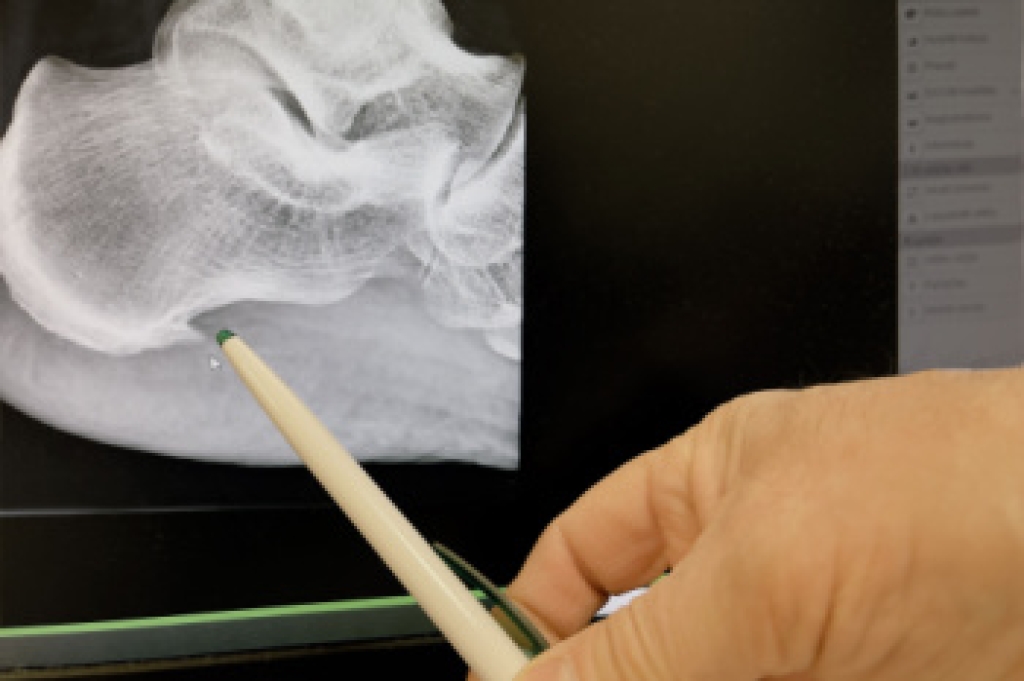
A heel spur is a small, bony growth that can develop on the heel bone. A plantar heel spur forms beneath the heel, while a posterior heel spur develops near the back of the heel. These growths can occur when repeated stress causes changes where soft tissue attaches to bone. Heel spurs may be found during an X-ray even when they cause no symptoms. When symptoms do occur, people may notice heel pain, tenderness, or discomfort while standing or walking.

Heel spurs are often associated with long-term strain on the foot. Risk factors include repetitive activity, excess pressure on the feet, and certain foot structures. Wearing unsupportive shoes can also increase stress around the heel. Flat feet and high arches may change how pressure moves through the foot. Previous foot injuries can contribute as well. Although a heel spur can look like a small pointed projection on an X-ray, its appearance does not always explain the amount of pain a person experiences.

Symptoms can vary depending on where the heel spur develops and what structures surround it. A plantar heel spur may be linked with pain beneath the heel, especially after periods of rest. A posterior heel spur may cause discomfort where the Achilles tendon meets the heel. Swelling or tenderness can develop around irritated tissue. A podiatrist will review your symptoms and examine your foot. X-rays may help identify a spur and evaluate the surrounding bone structure.

Treatment focuses on reducing pressure and addressing the source of irritation. A podiatrist may recommend wearing supportive footwear, custom or activity changes based on your needs. Medication may help manage discomfort when appropriate. The foot can then be monitored as symptoms improve. Surgery is generally considered only when persistent pain does not respond to conservative care. If you have heel pain, it is strongly suggested that you consult a podiatrist who can accurately diagnose and treat heel spurs. 

Heel spurs can be incredibly painful and sometimes may make you unable to participate in physical activities. To get medical care for your heel spurs, contact Dr. Scott Shrem from Garden State Foot & Ankle Center. Our doctor will do everything possible to treat your condition.

Heels Spurs

Heel spurs are formed by calcium deposits on the back of the foot where the heel is. This can also be caused by small fragments of bone breaking off one section of the foot, attaching onto the back of the foot. Heel spurs can also be bone growth on the back of the foot and may grow in the direction of the arch of the foot.

Older individuals usually suffer from heel spurs and pain sometimes intensifies with age. One of the main condition's spurs are related to is plantar fasciitis.

Pain

The pain associated with spurs is often because of weight placed on the feet. When someone is walking, their entire weight is concentrated on the feet. Bone spurs then have the tendency to affect other bones and tissues around the foot. As the pain continues, the feet will become tender and sensitive over time.

Treatments

There are many ways to treat heel spurs. If one is suffering from heel spurs in conjunction with pain, there are several methods for healing. Medication, surgery, and herbal care are some options.

If you have any questions, please feel free to contact our office located in Hazlet, NJ . We offer the newest diagnostic and treatment technologies for all your foot care needs.
Read more about How to Treat Heel Spurs

Heel Pain Can Be Treated!

Do you suffer from heel pain when you get up in the morning? If so, you should seek professional help and have a proper diagnosis performed. Heel pain can be caused by several different foot-related conditions.

Rock Climbing Foot Injuries

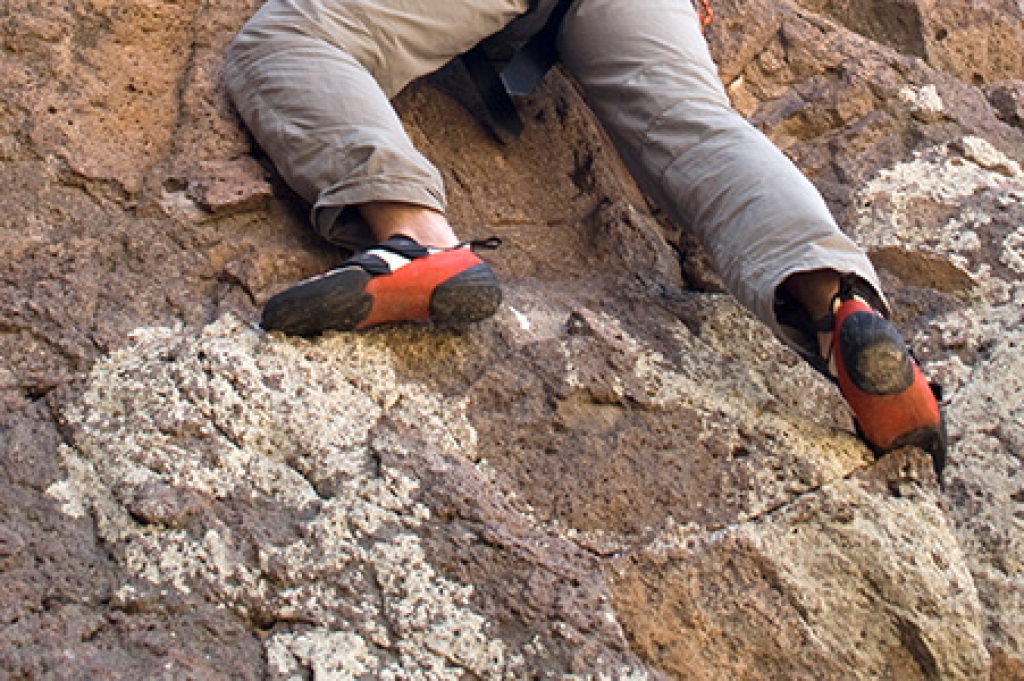
Rock climbing is an athletic activity that involves moving up natural rock formations or indoor climbing walls using strength, balance, and precise foot placement. Because the sport requires tight-fitting footwear and repeated pressure on the forefoot, wearing poorly fitted or inappropriate shoes can lead to several foot-related injuries. Common conditions include Achilles tendinopathy, which causes pain and stiffness along the back of the heel and Haglund's deformity that produces irritation near the heel bone. Hallux valgus, also known as bunions, plantar fasciitis involving inflammation of the heel tissue, and chronic ankle instability from repeated strain are other factors. A podiatrist can evaluate foot structure, treat injuries, and recommend supportive footwear. If climbing-related foot pain develops, it is suggested that you consult a podiatrist who can treat various foot and ankle injuries, helping you to protect foot health and maintain performance.

Foot Pain

Foot pain can be extremely painful and debilitating. If you have a foot pain, consult with Dr. Scott Shrem  from Garden State Foot & Ankle Center. Our doctor will assess your condition and provide you with quality foot and ankle treatment.

Causes

Foot pain is a very broad condition that could be caused by one or more ailments. The most common include:

  • Bunions
  • Hammertoes
  • Plantar Fasciitis
  • Bone Spurs
  • Corns
  • Tarsal Tunnel Syndrome
  • Ingrown Toenails
  • Arthritis (such as Gout, Rheumatoid, and Osteoarthritis)
  • Flat Feet
  • Injury (from stress fractures, broken toe, foot, ankle, Achilles tendon ruptures, and sprains)
  • And more

Diagnosis

To figure out the cause of foot pain, podiatrists utilize several different methods. This can range from simple visual inspections and sensation tests to X-rays and MRI scans. Prior medical history, family medical history, and any recent physical traumatic events will all be taken into consideration for a proper diagnosis.

Treatment

Treatment depends upon the cause of the foot pain. Whether it is resting, staying off the foot, or having surgery; podiatrists have a number of treatment options available for foot pain.

If you have any questions, please feel free to contact our office located in Hazlet, NJ . We offer the newest diagnostic and treatment technologies for all your foot care needs.

Read more about Foot Pain
Connect with us

          New Jersey Doctor