

We are OPEN and following CDC Guidelines

Hazlet 732-264-3668

When a Toenail Grows the Wrong Way

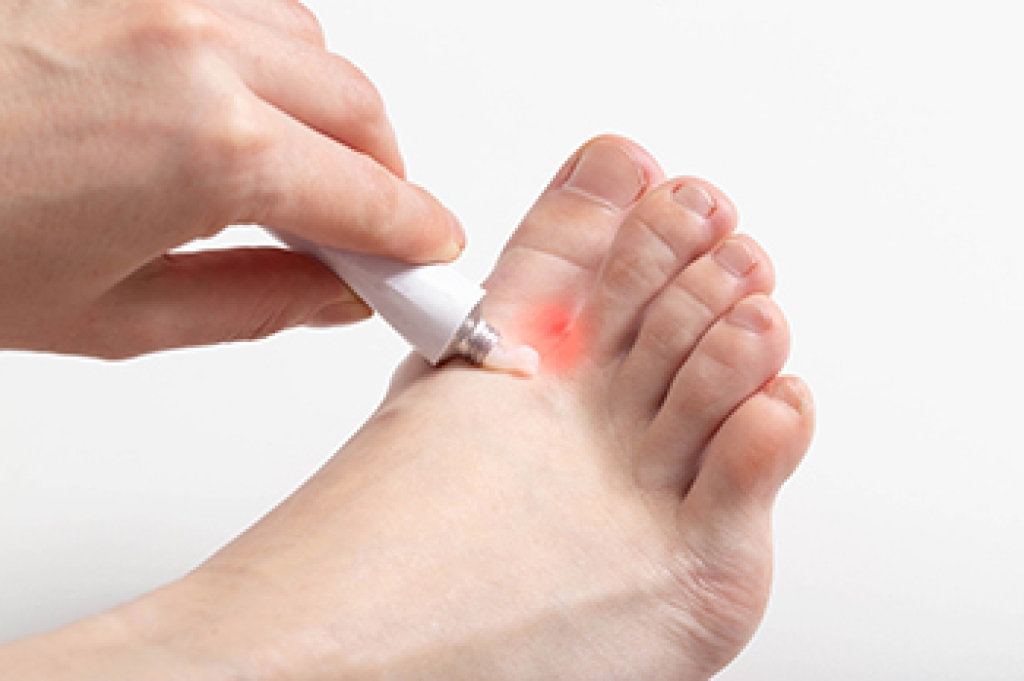
Ingrown toenails occur when the edge of the nail grows into the surrounding skin. This can lead to pain, redness, and swelling along the nail border. The area may feel tender to the touch, especially when wearing shoes. In some cases, it can become infected and cause drainage or increased warmth. This condition often develops from improper nail trimming, tight footwear, injury, or naturally curved nails that press into the skin. As the nail continues to grow inward, discomfort can worsen and make walking painful. A podiatrist can evaluate the severity of the ingrown nail and provide safe, effective treatment. Care options include trimming or removing the affected portion of the nail, treating any infection, and offering guidance on proper nail care to prevent recurrence. In more persistent cases, a minor procedure may be performed to address the nail edge permanently. Early treatment helps relieve pain and reduces the risk of complications. If you have an ingrown toenail, it is suggested that you make an appointment with a podiatrist.

Ingrown toenails can become painful if they are not treated properly. For more information about ingrown toenails, contact Dr. Scott Shrem of Garden State Foot & Ankle Center. Our doctor can provide the care you need to keep you pain-free and on your feet.

Ingrown Toenails

Ingrown toenails occur when a toenail grows sideways into the bed of the nail, causing pain, swelling, and possibly infection.

Causes

  • Bacterial infections
  • Improper nail cutting such as cutting it too short or not straight across
  • Trauma to the toe, such as stubbing, which causes the nail to grow back irregularly
  • Ill-fitting shoes that bunch the toes too close together
  • Genetic predisposition

Prevention

Wearing proper fitting shoes and using proper cutting techniques will also help decrease your risk of developing ingrown toenails.

Treatment

Ingrown toenails are a very treatable foot condition. In minor cases, soaking the affected area in salt or antibacterial soaps will not only help with the ingrown nail itself, but also help prevent any infections from occurring. In more severe cases, surgery is an option. In either case, speaking to your podiatrist about this condition will help you get a better understanding of specific treatment options that are right for you.

If you have any questions, please feel free to contact our office located in Hazlet, NJ . We offer the newest diagnostic and treatment technologies for all your foot care needs.
Read more about Ingrown Toenail Care

Dealing With Swollen Feet

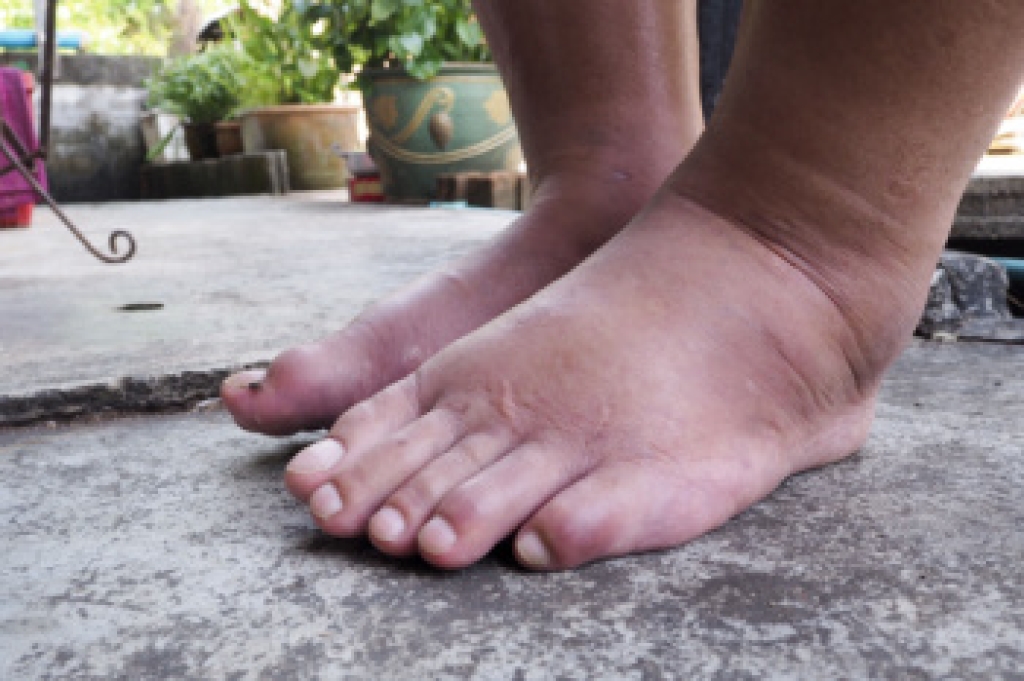
Swelling of the feet and ankles, also known as edema, occurs when excess fluid collects in the tissues. This may develop gradually or appear suddenly, causing the feet to look puffy, tight, or shiny. Shoes may feel tighter, and pressing on the skin may leave a temporary indentation. Swelling can be caused by standing or sitting for long periods, of time, injury, and pregnancy. Underlying conditions like circulation problems, heart disease, or kidney issues may also contribute. In addition, swelling may be linked to medications or inflammation in the foot or ankle joints. A podiatrist can help determine whether the swelling is related to a localized foot condition or part of a broader medical concern. Evaluation includes examining circulation, joint health, and skin condition. Treatment options include compression therapy, elevation, footwear recommendations, and targeted exercises to improve circulation. If you have persistent or unexplained swelling of the feet, it is suggested that you schedule an appointment with a podiatrist who can determine what the cause is, and offer appropriate relief and treatment tips.

Swollen feet can be a sign of an underlying condition. If you have any concerns, contact Dr. Scott Shrem of Garden State Foot & Ankle Center. Our doctor can provide the care you need to keep you pain-free and on your feet.

Swollen feet are a common ailment among pregnant women and people who stand or sit for extended periods. Aging may increase the possibility of swollen feet and patients who are obese often notice when their feet are swelling too. There may be medical reasons why swollen feet occur:

  • Phlebitis - A condition that causes the veins to become inflamed and can also cause leg pain.
  • Liver disease - This may lead to low blood levels of albumin which is a protein. This can cause fluid in the blood to pass into the tissues and several areas of the body can become swollen.
  • Heart failure - When the heart doesn’t pump properly the blood that is normally pumped back to the heart can pool in the veins of the legs causing swollen feet.
  • Kidney disease - One of the main functions of the kidneys is releasing excess fluid in the body. This type of condition can make it difficult for the kidneys to function properly, and as a result the feet may become swollen.
  • Deep-vein thrombosis (DVT)- This is a serious condition where blood clots form in the veins of the legs. They can block the return of blood from the legs to the heart which may cause the feet to swell. It is important to be treated by a podiatrist if this condition is present.

Swollen feet can also be caused by bone and tendon conditions, including fractures, arthritis, and tendinitis. Additionally, there may be skin and toenail conditions and an infection may cause the feet to swell. Patients who take medicine to treat high blood pressure may be prone to getting swollen feet. 

Many patients elevate their feet to help relieve the swelling and this is generally a temporary remedy. When a podiatrist is consulted the reason behind the swelling can be uncovered and subsequently treated.

If you have any questions please contact our office located in Hazlet, NJ . We offer the newest diagnostic and treatment technologies for all your foot and ankle needs.

Read more about Swelling of the Feet

Athlete’s Foot Explained

Athlete's foot is a common fungal infection that affects the skin on the feet. It is caused by fungi that thrive in warm moist environments, such as locker rooms and sweaty shoes. This condition often appears between the toes, but can also spread to the soles and sides of the feet. Risk factors include poor foot hygiene, wearing tight footwear, and frequent exposure to damp surfaces. Symptoms include itching, burning, redness, peeling skin, and sometimes cracking or blistering. A podiatrist can diagnose the infection accurately, providing care advice and effective treatment options including antifungal medications. If you have symptoms of athlete’s foot, it  is suggested that you consult a podiatrist who can offer treatment solutions, which may include prescribed medication.

Athlete’s foot is an inconvenient condition that can be easily reduced with the proper treatment. If you have any concerns about your feet and ankles, contact Dr. Scott Shrem from Garden State Foot & Ankle Center.  Our doctor will treat your foot and ankle needs.

Athlete’s Foot: The Sole Story

Athlete's foot, also known as tinea pedis, can be an extremely contagious foot infection. It is commonly contracted in public changing areas and bathrooms, dormitory style living quarters, around locker rooms and public swimming pools, or anywhere your feet often come into contact with other people.

Solutions to Combat Athlete’s Foot

  • Hydrate your feet by using lotion
  • Exfoliate
  • Buff off nails
  • Use of anti-fungal products
  • Examine your feet and visit your doctor if any suspicious blisters or cuts develop

Athlete’s foot can cause many irritating symptoms such as dry and flaking skin, itching, and redness. Some more severe symptoms can include bleeding and cracked skin, intense itching and burning, and even pain when walking. In the worst cases, Athlete’s foot can cause blistering as well. Speak to your podiatrist for a better understanding of the different causes of Athlete’s foot, as well as help in determining which treatment options are best for you.

If you have any questions please feel free to contact our office located in Hazlet, NJ . We offer the newest diagnostic and treatment technologies for all your foot and ankle needs.

Read more about Athlete’s Foot

Are You Suffering From Ingrown Toenails?

If left untreated, an ingrown toenail can lead to more serious concerns, such as an infection. Knowing proper nail care can help in the prevention of an ingrown toenail. Give us a call, and get treated!

Ankle Sprains and the Hidden Risk of Future Falls

An ankle sprain occurs when the ligaments that support the ankle joint are stretched or torn, often from a sudden twist or misstep. While many people recover, the injury can leave behind weakness, reduced balance, and a reduced sense of where the ankle is during movement. These changes may increase the risk of future falls, especially in older adults. The ankle plays a key role in stability, and when it does not respond quickly or accurately, it can affect how safely you walk or change direction. Proper treatment includes rest, support, and exercises that rebuild strength and balance. Without proper treatment, the ankle may remain unstable and more prone to repeat injury. Wearing supportive footwear and addressing uneven walking patterns can also help reduce risk. If you have had an ankle sprain and notice ongoing instability or balance issues, it is suggested that you see a podiatrist for evaluation and appropriate treatment.

Ankle sprains are common but need immediate attention. If you need your feet checked, contact Dr. Scott Shrem from Garden State Foot & Ankle Center. Our doctor can provide the care you need to keep you pain-free and on your feet.

How Does an Ankle Sprain Occur?

Ankle sprains take place when the ligaments in your ankle are torn or stretched beyond their limits. There are multiple ways that the ankle can become injured, including twisting or rolling over onto your ankle, putting undue stress on it, or causing trauma to the ankle itself.

What Are the Symptoms?

  • Mild to moderate bruising
  • Limited mobility
  • Swelling
  • Discoloration of the skin (depending on severity)

Preventing a Sprain

  • Wearing appropriate shoes for the occasion
  • Stretching before exercises and sports
  • Knowing your limits

Treatment of a Sprain

Treatment of a sprain depends on the severity.  Many times, people are told to rest and remain off their feet completely, while others are given an air cast. If the sprain is very severe, surgery may be required.

If you have suffered an ankle sprain previously, you may want to consider additional support such as a brace and regular exercises to strengthen the ankle.

If you have any questions please feel free to contact our office located in Hazlet, NJ . We offer the newest diagnostic tools and technology to treat your foot and ankle needs.

Read more about Ankle Sprains
Connect with us

          New Jersey Doctor