We are OPEN and following CDC Guidelines

Hazlet 732-264-3668

Aging Athlete Injury Prevention in Pickleball

Pickleball’s dynamic nature makes it a popular choice for aging athletes, but it also increases the risk of lower extremity injuries. These injuries are predominantly musculature, affecting tendons, ligaments, and muscles due to the rapid, repetitive movements involved in gameplay. Sports-specific factors like improper equipment, uneven court surfaces, or poor technique contribute significantly to injury risks. Wearing pickleball-specific shoes designed for lateral support and shock absorption can reduce strain on the ankles and knees. Playing on well-maintained courts minimizes trip hazards, while mastering proper techniques, such as turning instead of backpedaling, can prevent unnecessary stress on joints and muscles. Warm-ups and regular strength training further protect aging bodies, improving flexibility and resilience. If you have sustained an injury from playing pickleball that persists or limits your mobility, it is suggested that you contact a podiatrist for prompt care so you can stay active while minimizing risks.

Proper foot care is something many older adults forget to consider. If you have any concerns about your feet and ankles, contact Dr. Scott Shrem from Garden State Foot & Ankle Center. Our doctor can provide the care you need to keep you pain-free and on your feet.

The Elderly and Their Feet

As we age we start to notice many changes in our body, but the elder population may not notice them right away. Medical conditions may prevent the elderly to take notice of their foot health right away. Poor vision is a lead contributor to not taking action for the elderly.

Common Conditions 

  • Neuropathy – can reduce feeling in the feet and can hide many life-threatening medical conditions.
  • Reduced flexibility – prevents the ability of proper toenail trimming, and foot cleaning. If left untreated, it may lead to further medical issues.
  • Foot sores – amongst the older population can be serious before they are discovered. Some of the problematic conditions they may face are:
  • Gouging toenails affecting nearby toe
  • Shoes that don’t fit properly
  • Pressure sores
  • Loss of circulation in legs & feet
  • Edema & swelling of feet and ankles

Susceptible Infections

Diabetes and poor circulation can cause general loss of sensitivity over the years, turning a simple cut into a serious issue.

If you have any questions, please feel free to contact our office located in Hazlet, NJ . We offer the newest diagnostic and treatment technologies for all your foot care needs.
Read more about Elderly Foot Care

Ingrown Toenail Care

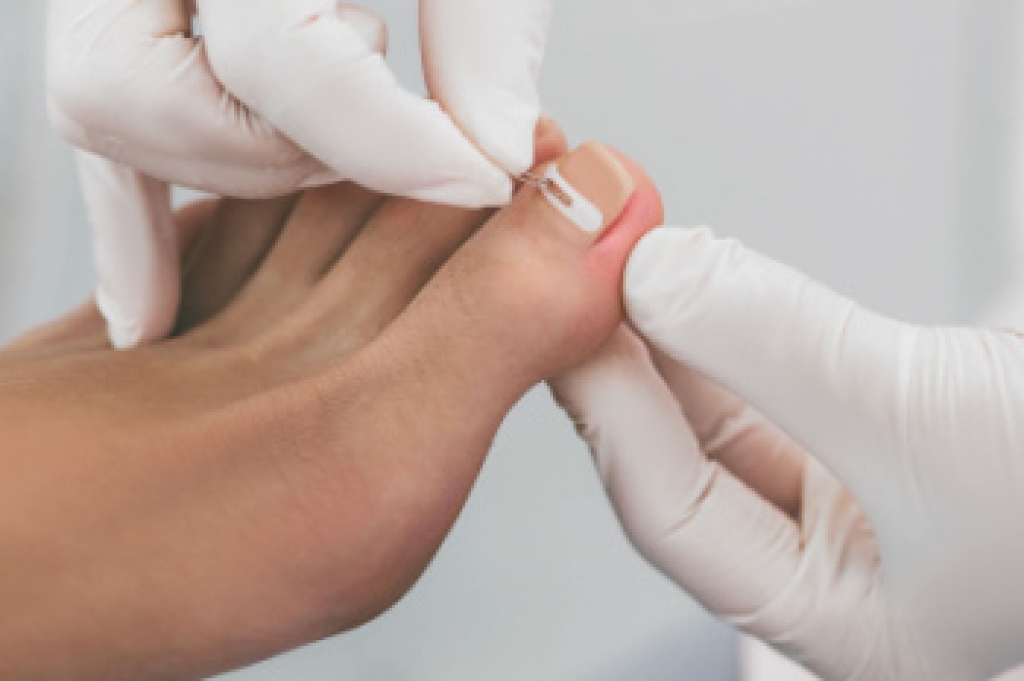
Ingrown toenails occur when the edges of a toenail grow into the surrounding skin, causing pain, redness, and swelling. This condition is often seen in the big toe and can sometimes lead to infection. One of the key causes of ingrown toenails is improper nail trimming, such as cutting nails too short or rounding the edges. Other factors include wearing tight shoes that crowd the toes or injure the nail. Toenail thickening, often caused by fungal infections, can also increase the risk of ingrown nails by altering the shape of the nail and making it more likely to dig into the skin. Ingrown toenails may improve with care like soaking and proper trimming, but severe cases require professional treatment. A podiatrist can safely remove part of the nail, treat any infection, and provide advice on proper nail care and footwear to prevent recurrence. If you have an ingrown toenail, it is suggested that you schedule an appointment with a podiatrist.

Ingrown toenails can become painful if they are not treated properly. For more information about ingrown toenails, contact Dr. Scott Shrem of Garden State Foot & Ankle Center. Our doctor can provide the care you need to keep you pain-free and on your feet.

Ingrown Toenails

Ingrown toenails occur when a toenail grows sideways into the bed of the nail, causing pain, swelling, and possibly infection.

Causes

  • Bacterial infections
  • Improper nail cutting such as cutting it too short or not straight across
  • Trauma to the toe, such as stubbing, which causes the nail to grow back irregularly
  • Ill-fitting shoes that bunch the toes too close together
  • Genetic predisposition

Prevention

Wearing proper fitting shoes and using proper cutting techniques will also help decrease your risk of developing ingrown toenails.

Treatment

Ingrown toenails are a very treatable foot condition. In minor cases, soaking the affected area in salt or antibacterial soaps will not only help with the ingrown nail itself, but also help prevent any infections from occurring. In more severe cases, surgery is an option. In either case, speaking to your podiatrist about this condition will help you get a better understanding of specific treatment options that are right for you.

If you have any questions, please feel free to contact our office located in Hazlet, NJ . We offer the newest diagnostic and treatment technologies for all your foot care needs.
Read more about Ingrown Toenail Care

Understanding Achilles Tendonitis

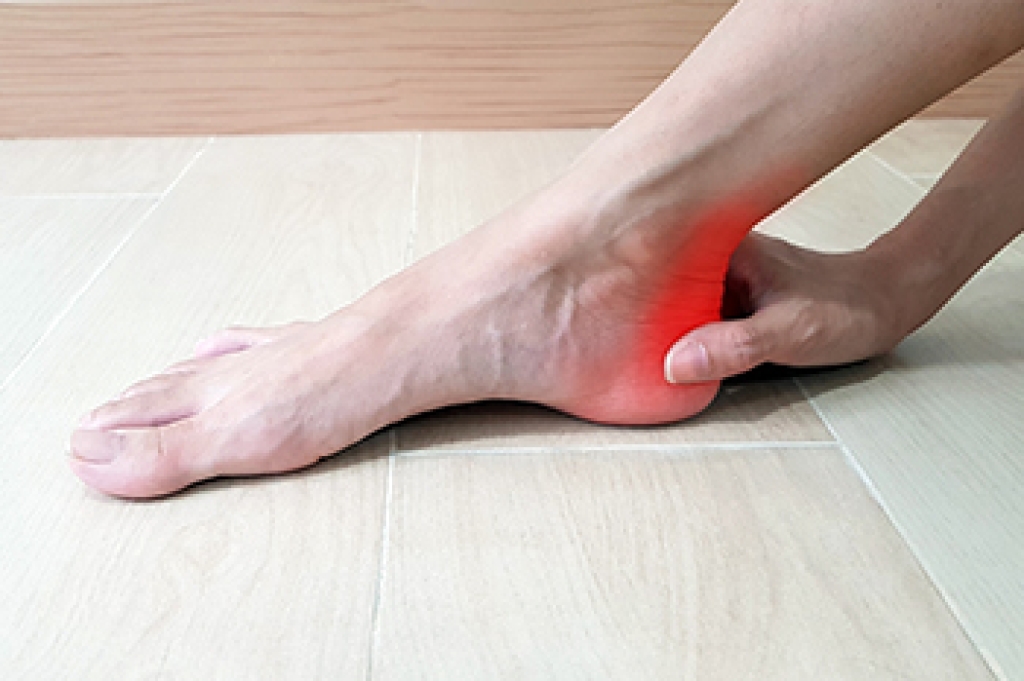
Achilles tendonitis is an injury that affects the Achilles tendon, the large tendon located at the back of the ankle, connecting the calf muscles to the heel bone. This condition occurs when the tendon becomes irritated or inflamed due to overuse or excessive strain. Common symptoms of Achilles tendonitis include pain and swelling along the back of the heel, which may worsen with physical activity, especially running or jumping. Individuals may also experience stiffness and discomfort in the morning. The main causes of Achilles tendonitis are repetitive stress on the tendon, sudden increases in physical activity, or wearing improper footwear. Athletes, particularly runners, are at higher risk, as well as individuals who have tight calf muscles or abnormal foot mechanics. If you have incurred an Achilles tendon injury, it is suggested that you consult a podiatrist who can accurately diagnose and treat this condition.

Achilles tendon injuries need immediate attention to avoid future complications. If you have any concerns, contact Dr. Scott Shrem of Garden State Foot & Ankle Center. Our doctor can provide the care you need to keep you pain-free and on your feet.

What Is the Achilles Tendon?

The Achilles tendon is a tendon that connects the lower leg muscles and calf to the heel of the foot. It is the strongest tendon in the human body and is essential for making movement possible. Because this tendon is such an integral part of the body, any injuries to it can create immense difficulties and should immediately be presented to a doctor.

What Are the Symptoms of an Achilles Tendon Injury?

There are various types of injuries that can affect the Achilles tendon. The two most common injuries are Achilles tendinitis and ruptures of the tendon.

Achilles Tendinitis Symptoms

  • Inflammation
  • Dull to severe pain
  • Increased blood flow to the tendon
  • Thickening of the tendon

Rupture Symptoms

  • Extreme pain and swelling in the foot
  • Total immobility

Treatment and Prevention

Achilles tendon injuries are diagnosed by a thorough physical evaluation, which can include an MRI. Treatment involves rest, physical therapy, and in some cases, surgery. However, various preventative measures can be taken to avoid these injuries, such as:

  • Thorough stretching of the tendon before and after exercise
  • Strengthening exercises like calf raises, squats, leg curls, leg extensions, leg raises, lunges, and leg presses

If you have any questions please feel free to contact our office located in Hazlet, NJ . We offer the newest diagnostic tools and technology to treat your foot and ankle needs.

Read more about The Causes, Types, and Treatments of Achilles Tendon Injuries

Heel Pain Can Be Treated!

Do you suffer from heel pain when you get up in the morning? If so, you should seek professional help and have a proper diagnosis performed. Heel pain can be caused by several different foot-related conditions.

Causes of Lumps and Bumps on the Toe

A lump on the toe can arise for any number of reasons and may vary in size, location, and texture. Probably the most common cause of a lump on the toe is a bunion, caused when the bones of the big or little toe shift out of place. Another cause, termed hallux rigidus, involves stiffness and bony growths on top of the big toe due to arthritis or wear and tear. Softer lumps, such as digital mucous cysts, are fluid-filled sacs that often form near joints and may result from injury or wearing ill-fitting shoes. Conditions like Morton’s neuroma, a nerve-related issue under the toes, or calluses and corns from pressure and friction, can also lead to lumps. Each condition requires a specific approach for relief and prevention of further complications. A podiatrist can provide an accurate diagnosis of the lump or bump on your toe. Treatment options include orthotics or minor surgical procedures depending on the cause. Guidance on footwear choices to alleviate discomfort may be offered. If you notice an unusual lump or bump on a toe, it is suggested that you schedule an appointment with a podiatrist for a diagnosis and treatment.

Toe pain can disrupt your daily activities. If you have any concerns, contact Dr. Scott Shrem of Garden State Foot & Ankle Center. Our doctor can provide the care you need to keep you pain-free and on your feet.

What Causes Toe Pain?

Most severe toe pain is caused due to a sports injury, trauma from dropping something heavy on the toe, or bumping into something rigid. Other problems can develop over time for various reasons.

Toe pain can be caused by one or more ailments. The most common include:

  • Trauma
  • Sports injury
  • Wearing shoes that are too tight
  • Arthritis
  • Gout
  • Corns and calluses
  • Hammertoe
  • Bunions
  • Blisters
  • Ingrown toenails
  • Sprains
  • Fractures (broken bones)
  • Dislocations

When to See a Podiatrist

  • Severe pain
  • Persistent pain that lasts more than a week
  • Signs of infection
  • Continued swelling
  • Pain that prevents walking

Diagnosis

In many cases the cause of toe pain is obvious, but in others, a podiatrist may want to use more advanced methods to determine the problem. These can range from simple visual inspections and sensation tests to X-rays and MRI scans. Prior medical history, family medical history, and any recent physical traumatic events will all be taken into consideration for a proper diagnosis.

Treatment

Treatments for toe pain and injuries vary and may include shoe inserts, padding, taping, medicines, injections, and in some cases, surgery. If you believe that you have broken a toe, please see a podiatrist as soon as possible.

If you have any questions please contact our office located in Hazlet, NJ . We offer the newest diagnostic and treatment technologies for all your foot and ankle needs.

Read more about Toe Pain
Connect with us

          New Jersey Doctor