
We are OPEN and following CDC Guidelines

Hazlet 732-264-3668

What Can Cause Cracked Heels?

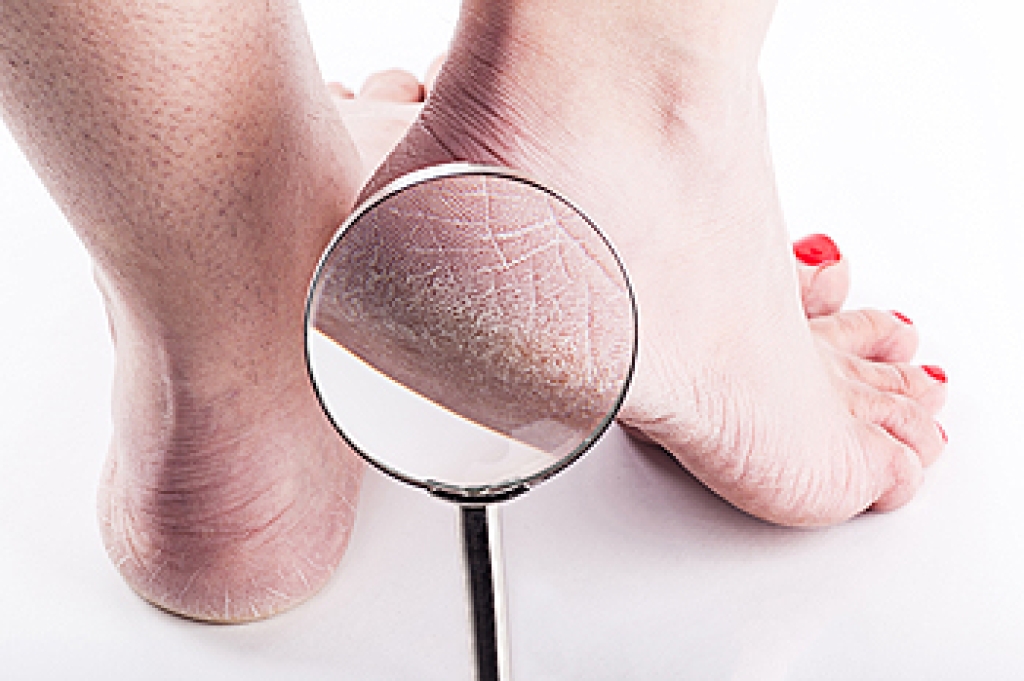
A common reason for the condition that is known as cracked heels to develop is having excessively dry skin. This can happen as a result of residing in cold environments, wearing shoes that have an open back, or from standing for the majority of the day. Additionally, existing medical conditions may contribute to the formation of cracked heels. These can include psoriasis and eczema, which are known to cause patches of dry skin. Patients have found mild relief when their feet are washed and dried daily, followed by thoroughly applying a good moisturizer. It may help to file the cracked skin away, in addition to wearing socks that are made of natural materials. If you have cracked heels, it is suggested that you speak with a podiatrist for effective treatment methods.

If the skin on your feet starts to crack, you may want to see a podiatrist to find treatment. If you have any concerns, contact Dr. Scott Shrem from Garden State Foot & Ankle Center. Our doctor can provide the care you need to keep you pain-free and on your feet.

Cracked Heels

It is important to moisturize your cracked heels in order to prevent pain, bleeding, and infection. The reason cracked heels form is because the skin on the foot is too dry to support the immense pressure placed on them. When the foot expands, the dry skin on the foot begins to split.

Ways to Help Heal Them

  • Invest in a good foot cream
  • Try Using Petroleum Jelly
  • Ease up on Soaps
  • Drink Plenty of Water

Ways to Prevent Cracked Heels

  • Moisturize After Showering
  • Skip a Shower
  • Keep Shower Water Lukewarm
  • Don’t Scrub Your Feet

If you are unsure how to proceed in treating cracked heels, seek guidance from a podiatrist. Your doctor will help you with any questions or information you may need. 

If you have any questions, please feel free to contact our office located in Hazlet, NJ . We offer the newest diagnostic and treatment technologies for all your foot care needs.
Read more about Solutions for Cracked Heels

How Do Ingrown Toenails Develop?

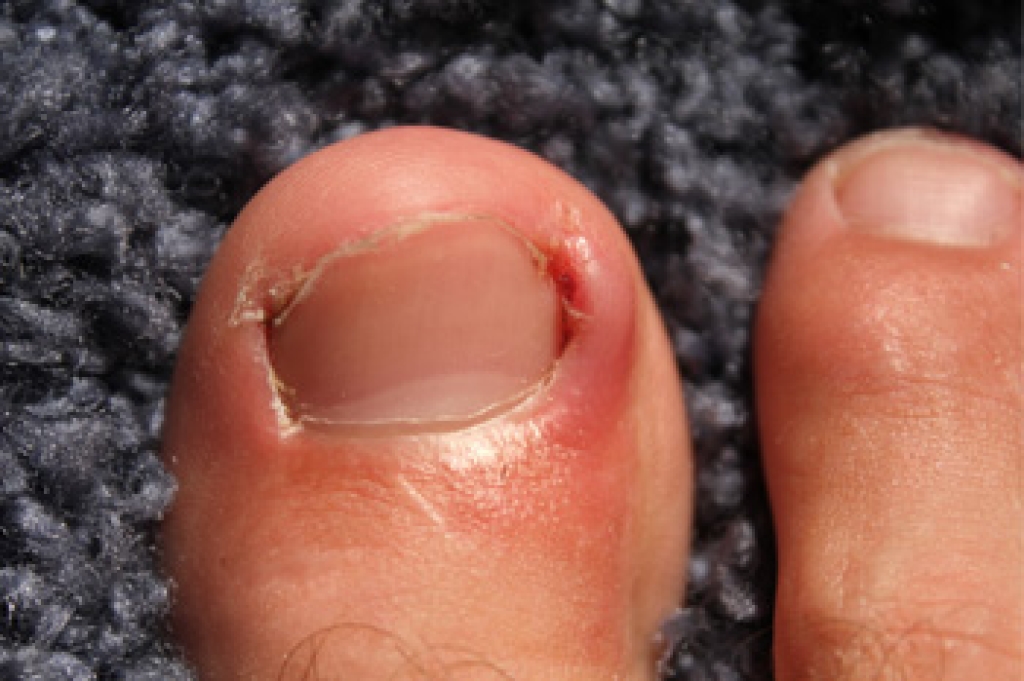
The medical condition that is known as ingrown toenails can produce severe pain and discomfort. It is defined as the outer edges of the nail growing into the surrounding skin, and typically affects the big toe. It can occur as a result of wearing shoes that do not have adequate room for the toes to move freely in, or from improperly trimming the toenails. Additional reasons why this may happen can include excessively sweaty feet, also referred to as plantar hyperhidrosis, as well as genetic factors, or from a toe injury. Mild relief may be found when the affected toe is soaked in warm water, followed by using a piece of cotton to gently separate the nail from the skin. For more severe cases, it is strongly advised that you seek the counsel of a podiatrist who can properly treat ingrown toenails.

Ingrown toenails can become painful if they are not treated properly. For more information about ingrown toenails, contact Dr. Scott Shrem of Garden State Foot & Ankle Center. Our doctor can provide the care you need to keep you pain-free and on your feet.

Ingrown Toenails

Ingrown toenails occur when a toenail grows sideways into the bed of the nail, causing pain, swelling, and possibly infection.

Causes

  • Bacterial infections
  • Improper nail cutting such as cutting it too short or not straight across
  • Trauma to the toe, such as stubbing, which causes the nail to grow back irregularly
  • Ill-fitting shoes that bunch the toes too close together
  • Genetic predisposition

Prevention

Wearing proper fitting shoes and using proper cutting techniques will also help decrease your risk of developing ingrown toenails.

Treatment

Ingrown toenails are a very treatable foot condition. In minor cases, soaking the affected area in salt or antibacterial soaps will not only help with the ingrown nail itself, but also help prevent any infections from occurring. In more severe cases, surgery is an option. In either case, speaking to your podiatrist about this condition will help you get a better understanding of specific treatment options that are right for you.

If you have any questions, please feel free to contact our office located in Hazlet, NJ . We offer the newest diagnostic and treatment technologies for all your foot care needs.

Read more about Ingrown Toenails

What Factors Contribute to Tarsal Tunnel Syndrome?

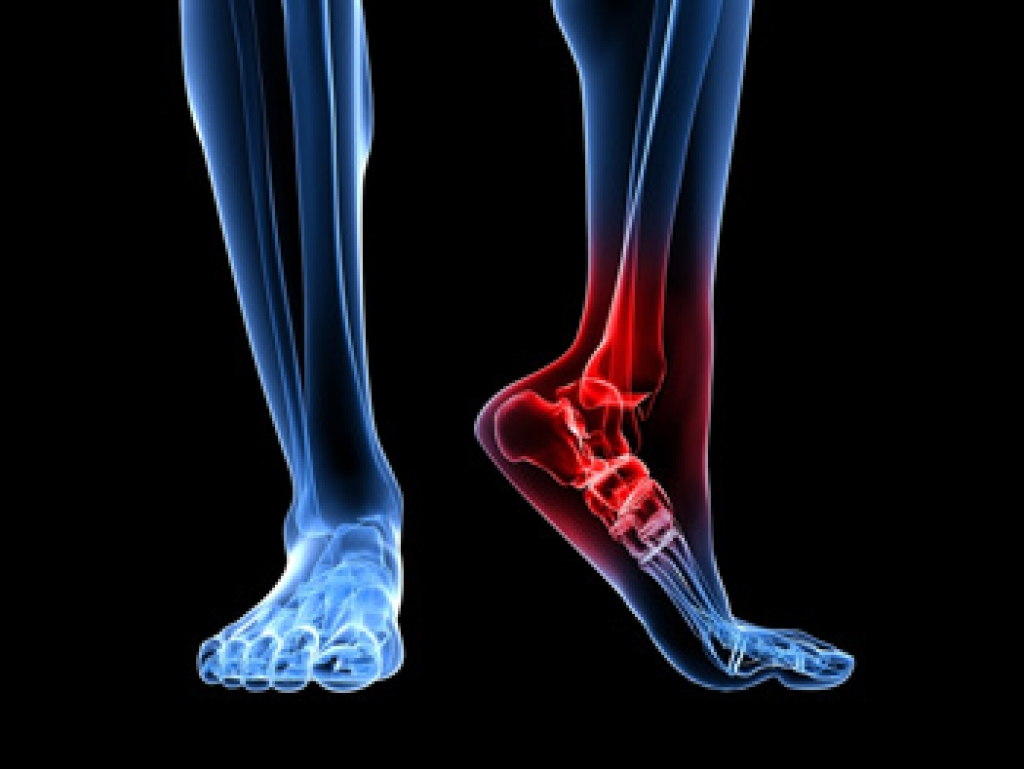
If you feel a tingling, burning, or numbing sensation in your feet, you may be experiencing symptoms related to a foot condition known as tarsal tunnel syndrome. With this condition, pain is typically felt in the sole, heel, and arch areas of the foot. Some patients who have had this condition also say they experienced a sensation that feels like pins and needles in the feet. Tarsal tunnel syndrome may develop when the posterior tibial nerve becomes compressed or pinched. Other reasons for its development may include osteoarthritis, rheumatoid arthritis, and diabetes. To help alleviate pain, it may be beneficial to perform light stretches that focus on strengthening the calf muscles. For more advice on how to treat this ailment, it’s suggested that you speak with a podiatrist for a proper diagnosis and professional care.

Tarsal tunnel syndrome can be very uncomfortable to live with. If you are experiencing tarsal tunnel syndrome, contact Dr. Scott Shrem of Garden State Foot & Ankle Center. Our doctor can provide the care you need to keep you pain-free and on your feet.

Tarsal Tunnel Syndrome

Tarsal tunnel syndrome, which can also be called tibial nerve dysfunction, is an uncommon condition of misfiring peripheral nerves in the foot. The tibial nerve is the peripheral nerve in the leg responsible for sensation and movement of the foot and calf muscles. In tarsal tunnel syndrome, the tibial nerve is damaged, causing problems with movement and feeling in the foot of the affected leg.

Common Cause of Tarsal Tunnel Syndrome

  • Involves pressure or an injury, direct pressure on the tibial nerve for an extended period of time, sometimes caused by other body structures close by or near the knee.
  • Diseases that damage nerves, including diabetes, may cause tarsal tunnel syndrome.
  • At times, tarsal tunnel syndrome can appear without an obvious cause in some cases.

The Effects of Tarsal Tunnel Syndrome

  • Different sensations, an afflicted person may experience pain, tingling, burning or other unusual sensations in the foot of the affected leg.
  • The foot muscles, toes and ankle become weaker, and curling your toes or flexing your foot can become difficult.
  • If condition worsens, infections and ulcers may develop on the foot that is experiencing the syndrome.

A physical exam of the leg can help identify the presence of tarsal tunnel syndrome. Medical tests, such as a nerve biopsy, are also used to diagnose the condition. Patients may receive physical therapy and prescriptive medication. In extreme cases, some may require surgery.

If you have any questions please contact our office located in Hazlet, NJ . We offer the newest diagnostic and treatment technologies for all your foot and ankle needs.

Read more about Treating Tarsal Tunnel Syndrome

Proper Diabetic Foot Care

Many patients can experience painful foot conditions if they are afflicted with diabetes. This may be a result of elevated glucose levels which can cause a loss of sensation in the feet. Scrapes, bruises, and wounds may have difficulty healing, which may lead to the development of serious foot complications. Additionally, poor circulation is common in diabetic patients. Symptoms of poor circulation may include a burning or tingling sensation. There are methods that can help your feet to feel better. These can include washing and drying your feet daily, while inspecting for cuts and scrapes. Additionally, it is important to properly trim the nails, as this may help to prevent ingrown toenails from developing. If you have diabetes, it is strongly advised that you are under the care of a podiatrist who can help you to manage this condition.

Diabetic foot care is important in preventing foot ailments such as ulcers. If you are suffering from diabetes or have any other concerns about your feet, contact Dr. Scott Shrem from Garden State Foot & Ankle Center. Our doctor can provide the care you need to keep you pain-free and on your feet.

Diabetic Foot Care

Diabetes affects millions of people every year. The condition can damage blood vessels in many parts of the body, especially the feet. Because of this, taking care of your feet is essential if you have diabetes, and having a podiatrist help monitor your foot health is highly recommended.

The Importance of Caring for Your Feet

  • Routinely inspect your feet for bruises or sores.
  • Wear socks that fit your feet comfortably.
  • Wear comfortable shoes that provide adequate support.

Patients with diabetes should have their doctor monitor their blood levels, as blood sugar levels play such a huge role in diabetic care. Monitoring these levels on a regular basis is highly advised.

It is always best to inform your healthcare professional of any concerns you may have regarding your feet, especially for diabetic patients. Early treatment and routine foot examinations are keys to maintaining proper health, especially because severe complications can arise if proper treatment is not applied.

If you have any questions, please feel free to contact our office located in Hazlet, NJ . We offer the newest diagnostic and treatment technologies for all your foot care needs.

Read more about How to Care for Diabetic Foot
Connect with us

          New Jersey Doctor