

We are OPEN and following CDC Guidelines

Hazlet 732-264-3668

How High Heels Can Affect Your Feet

High heels can change how weight is distributed across the feet and affect the way a person stands and walks. When the heel is raised, more body weight shifts toward the front of the foot. This places added pressure on the ball of the foot and nearby joints, which can contribute to pain and stiffness. High heels can also affect balance, posture, and overall foot function. The higher the heel, the more unstable the foot may become, increasing the risk of ankle sprains and other injuries.


Regularly wearing high heels may also affect the toes, heels, and supporting tissues. Narrow or pointed shoes can force the toes into an unnatural position and may contribute to the formation of hammertoes or bunions. High heels also keep the Achilles tendon in a shortened position. This may cause the tendon to become stiff and can contribute to Achilles tendonitis or plantar fasciitis. Pressure and rubbing around the back of the heel may lead to a bony enlargement known as Haglund’s deformity. Because high heels alter normal walking mechanics, their effects can extend beyond the feet and place additional stress on other parts of the body.


A podiatrist can evaluate foot pain related to high-heeled shoes and identify the structures that may be affected. An examination can help determine whether symptoms are connected to joint pressure, tendon problems, or changes in toe alignment. A podiatrist can also assess walking patterns and determine whether an injury or developing foot deformity requires treatment. Addressing persistent symptoms may help reduce the risk of long-term pain and additional foot problems. Professional care is especially important when discomfort begins interfering with walking, work, or other daily activities. If wearing high heels is causing ongoing foot or ankle pain, it is suggested that you consult a podiatrist for an evaluation and appropriate treatment options.

High heels have a history of causing foot and ankle problems. If you have any concerns about your feet or ankles, contact Dr. Scott Shrem from Garden State Foot & Ankle Center. Our doctor can provide the care you need to keep you pain-free and on your feet.

Effects of High Heels on the Feet

High heels are popular shoes among women because of their many styles and societal appeal.  Despite this, high heels can still cause many health problems if worn too frequently.

Which Parts of My Body Will Be Affected by High Heels?

  • Ankle Joints
  • Achilles Tendon – May shorten and stiffen with prolonged wear
  • Balls of the Feet
  • Knees – Heels cause the knees to bend constantly, creating stress on them
  • Back – They decrease the spine’s ability to absorb shock, which may lead to back pain.  The vertebrae of the lower back may compress.

What Kinds of Foot Problems Can Develop from Wearing High Heels?

  • Corns
  • Calluses
  • Hammertoe
  • Bunions
  • Morton’s Neuroma
  • Plantar Fasciitis

How Can I Still Wear High Heels and Maintain Foot Health?

If you want to wear high heeled shoes, make sure that you are not wearing them every day, as this will help prevent long term physical problems.  Try wearing thicker heels as opposed to stilettos to distribute weight more evenly across the feet.  Always make sure you are wearing the proper shoes for the right occasion, such as sneakers for exercising.  If you walk to work, try carrying your heels with you and changing into them once you arrive at work.  Adding inserts to your heels can help cushion your feet and absorb shock. Full foot inserts or metatarsal pads are available. 

If you have any questions, please feel free to contact our office located in Hazlet, NJ . We offer the newest diagnostic and treatment technologies for all your foot care needs.
Read more about Effect of High Heels on the Feet

How Podiatrists Treat Painful Cracked Heels

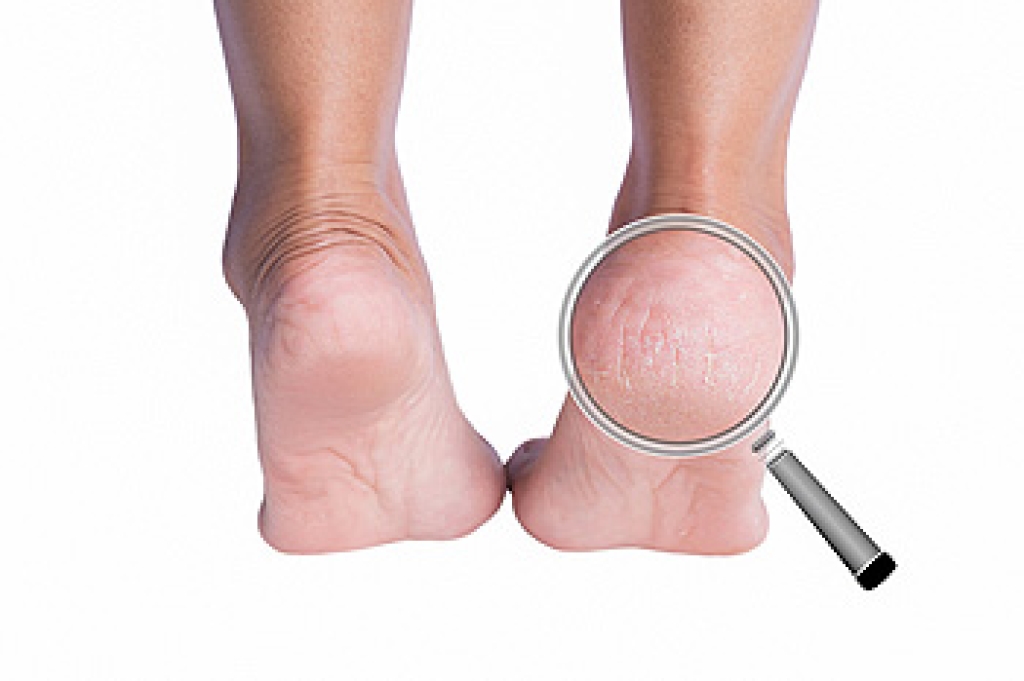
Cracked heels develop when the skin around the heel becomes very dry, thick, and less flexible. As the skin loses moisture, it can split and form painful cracks. These cracks can become deeper when pressure is placed on the heel while walking or standing. Dry weather can contribute to cracked skin, but other factors can also play a role. Open-heeled shoes, shoes that do not fit properly, and certain health conditions can increase the risk. Severe cracks can become sore and allow germs to enter the skin. A podiatrist can examine the heels and determine why the skin is cracking.

A podiatrist can evaluate the condition of the skin and look for signs that the cracks are deeper or becoming irritated. Professional care can include removing thickened skin from the heel and recommending appropriate products to improve the skin’s condition. A podiatrist can also assess how pressure is placed on the heel when walking and determine whether foot structure or footwear is contributing to the problem. If cracked heels are linked to an underlying health condition, the podiatrist can consider that factor when developing a treatment plan. Severe or persistent cracks deserve professional attention because damaged skin can be more vulnerable to infection.

Cracked heels can cause pain, tenderness, and difficulty walking when the splits become deep. A podiatrist can monitor the affected skin and help manage problems that interfere with normal foot function. Professional treatment can also focus on protecting the heel while the skin heals and addressing factors that contribute to repeated cracking. Patients with severe cracks or symptoms that do not improve should have the area evaluated. A podiatrist can determine whether additional treatment is appropriate and check for signs of infection or another condition affecting the skin. If you have symptoms of cracked heels, it is suggested that you make an appointment with a podiatrist for diagnosis and treatment.

If the skin on your feet starts to crack, you may want to see a podiatrist to find treatment. If you have any concerns, contact Dr. Scott Shrem from Garden State Foot & Ankle Center. Our doctor can provide the care you need to keep you pain-free and on your feet.

Cracked Heels

It is important to moisturize your cracked heels in order to prevent pain, bleeding, and infection. The reason cracked heels form is because the skin on the foot is too dry to support the immense pressure placed on them. When the foot expands, the dry skin on the foot begins to split.

Ways to Help Heal Them

  • Invest in a good foot cream
  • Try Using Petroleum Jelly
  • Ease up on Soaps
  • Drink Plenty of Water

Ways to Prevent Cracked Heels

  • Moisturize After Showering
  • Skip a Shower
  • Keep Shower Water Lukewarm
  • Don’t Scrub Your Feet

If you are unsure how to proceed in treating cracked heels, seek guidance from a podiatrist. Your doctor will help you with any questions or information you may need. 

If you have any questions, please feel free to contact our office located in Hazlet, NJ . We offer the newest diagnostic and treatment technologies for all your foot care needs.

Read more about Solutions for Cracked Heels

Foot Wound Care Begins With Early Attention

Foot wounds are breaks in the skin that can range from cuts and blisters to deeper ulcers. They may develop from friction, injuries, or stress. Symptoms can include redness, swelling, or drainage. Warmth, tenderness, or changes in skin color are also common. Some people may have little pain even when a wound is serious. Risk factors include diabetes, neuropathy, or obesity. Early foot wound care can reduce complications and support healing.

Preventing foot wounds starts with daily inspection. Check both feet for cuts, blisters, and temperature changes. A warmer or cooler area can signal inflammation or reduced circulation, and should not be ignored. Keep skin clean and moisturized, while avoiding lotion between the toes. Wear properly-fitted shoes and clean socks that reduce friction. If you cannot see the bottoms of your feet, use a mirror or ask for help.


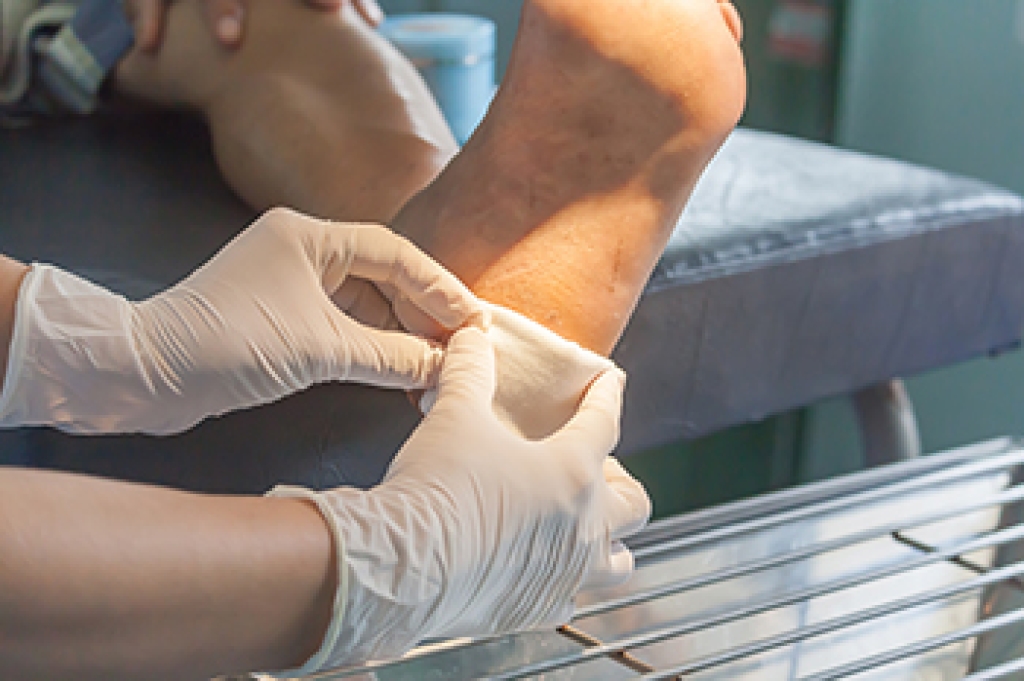
A podiatrist can evaluate a current wound and determine its depth, cause, and infection risk. Treatment may include cleaning the wound, removing unhealthy tissue, and applying an appropriate dressing around the wound. Your podiatrist may recommend specialized footwear or off-loading devices to protect the wound. Toenails should be trimmed carefully, especially when vision, flexibility, or sensation is limited. Follow-up visits help monitor progress and adjust treatment.


Do not ignore a wound that is enlarging, becoming red, or failing to heal. Prompt podiatric care is especially important when risk factors increase the chance of complications. A podiatrist can create a treatment plan and provide guidance for preventing future wounds and protect your long-term overall foot health. Inspect your feet daily and protect areas that show pressure or irritation. If you have a foot wound, it is suggested that you promptly consult a podiatrist for effective relief and treatment solutions. 

Wound care is an important part in dealing with diabetes. If you have diabetes and a foot wound or would like more information about wound care for diabetics, consult with Dr. Scott Shrem from Garden State Foot & Ankle Center. Our doctor will assess your condition and provide you with quality foot and ankle treatment.

What Is Wound Care?

Wound care is the practice of taking proper care of a wound. This can range from the smallest to the largest of wounds. While everyone can benefit from proper wound care, it is much more important for diabetics. Diabetics often suffer from poor blood circulation which causes wounds to heal much slower than they would in a non-diabetic. 

What Is the Importance of Wound Care?

While it may not seem apparent with small ulcers on the foot, for diabetics, any size ulcer can become infected. Diabetics often also suffer from neuropathy, or nerve loss. This means they might not even feel when they have an ulcer on their foot. If the wound becomes severely infected, amputation may be necessary. Therefore, it is of the upmost importance to properly care for any and all foot wounds.

How to Care for Wounds

The best way to care for foot wounds is to prevent them. For diabetics, this means daily inspections of the feet for any signs of abnormalities or ulcers. It is also recommended to see a podiatrist several times a year for a foot inspection. If you do have an ulcer, run the wound under water to clear dirt from the wound; then apply antibiotic ointment to the wound and cover with a bandage. Bandages should be changed daily and keeping pressure off the wound is smart. It is advised to see a podiatrist, who can keep an eye on it.

If you have any questions please contact our office located in Hazlet, NJ . We offer the newest diagnostic and treatment technologies for all your foot and ankle needs.

Read more about Wound Care

Reminder: When Was the Last Time...?

Custom orthotics, or shoe inserts, should be periodically replaced. Orthotics must fit properly to give you the best results. Protect your feet and ankles!

Broken Ankle Treatment for Better Foot and Ankle Health

A broken ankle is an injury that occurs when one or more bones in the ankle are cracked or fractured. The ankle is made up of several bones, ligaments, and tissues that work together to support movement and balance. A fracture can happen from a fall, sports injury, accident, or sudden twisting motion. Ankle fractures can affect a person’s ability to stand, walk, and complete daily activities comfortably. Symptoms include pain, swelling, bruising, tenderness, and difficulty putting weight on the affected foot. Some patients may notice changes in the appearance of the ankle or a feeling of instability. A podiatrist can evaluate the injury and determine the severity of the fracture.

A podiatrist performs a detailed examination to understand the extent of an ankle fracture and how it affects foot and ankle function. The evaluation includes reviewing the injury, checking movement, and assessing the condition of the surrounding tissues. Imaging tests may be used to view the bones and identify the location of the fracture. A podiatrist develops a treatment plan based on the type of fracture, the patient’s health, and activity needs. Treatment includes methods to support proper healing, protect the injured area, and restore ankle function. 

Research shows that ankle fractures can affect mobility and long-term joint function, making proper diagnosis and treatment important. A podiatrist helps patients understand their injury and creates a plan focused on restoring strength, stability, and movement. Care may involve monitoring healing progress and addressing changes in foot mechanics after the injury. A podiatrist also evaluates how the ankle is functioning because changes in movement can affect other areas of the foot and lower body. Treatment plans are personalized according to each patient’s condition and recovery goals. If you have symptoms of a broken ankle, it is suggested that you make an appointment with a chiropractor for diagnosis and treatment.

Broken ankles need immediate treatment. If you are seeking treatment, contact Dr. Scott Shrem from Garden State Foot & Ankle Center. Our doctor can provide the care you need to keep you pain-free and on your feet. 

Broken Ankles
A broken ankle is experienced when a person fractures their tibia or fibula in the lower leg and ankle area. Both of these bones are attached at the bottom of the leg and combine to form what we know to be our ankle.

When a physician is referring to a break of the ankle, he or she is usually referring to a break in the area where the tibia and fibula are joined to create our ankle joint. Ankles are more prone to fractures because the ankle is an area that suffers a lot of pressure and stress. There are some obvious signs when a person experiences a fractured ankle, and the following symptoms may be present.

Symptoms of a Fractured Ankle

  • Excessive pain when the area is touched or when any pressure is placed on the ankle
  • Swelling around the area
  • Bruising of the area
  • Area appears to be deformed

If you suspect an ankle fracture, it is recommended to seek treatment as soon as possible. The sooner you have your podiatrist diagnose the fracture, the quicker you’ll be on the way towards recovery.

If you have any questions, please feel free to contact our office located in Hazlet, NJ . We offer the newest diagnostic and treatment technologies for all your foot care needs.

Read more about Broken Ankle Causes, Differences, Symptoms and Treatments
Connect with us

          New Jersey Doctor