
We are OPEN and following CDC Guidelines

Hazlet 732-264-3668

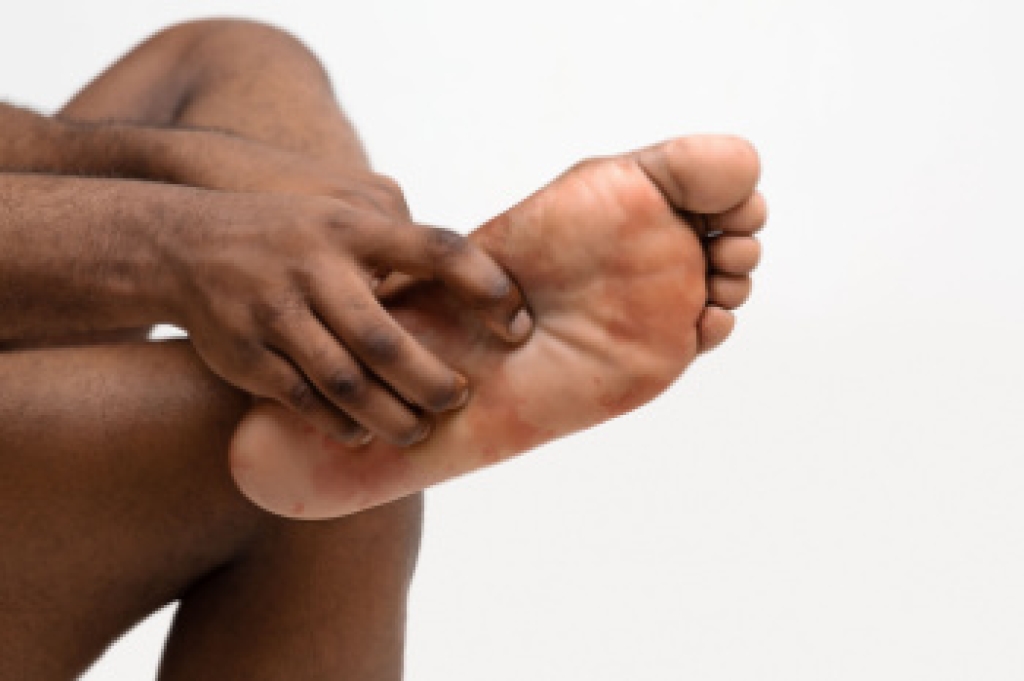
Risk Factors for Plantar Fasciitis

Plantar fasciitis, a common and painful foot condition, is influenced by various risk factors. Age plays a role, with the condition being more prevalent in individuals between 40 and 60 years old, as the plantar fascia tends to lose elasticity with age. Engaging in high-impact activities, like running or dancing, can strain the plantar fascia, making physical activity another risk factor. Abnormal foot mechanics, such as flat feet or high arches, alter the distribution of pressure on the plantar fascia, increasing the risk. Obesity adds extra stress to the feet and can lead to plantar fasciitis, while jobs requiring prolonged standing or walking on hard surfaces can also contribute. Improper footwear choices lacking arch support or cushioning can strain the plantar fascia, as does having a tight Achilles tendon. Finally, sudden increases in physical activity intensity or duration can overload the plantar fascia, causing inflammation. If you have heel pain that does not abate, it is suggested that you schedule an appointment with a podiatrist for a proper diagnosis and treatment options that are appropriate for you.

Plantar fasciitis can be very painful and inconvenient. If you are experiencing heel pain or symptoms of plantar fasciitis, contact Dr. Scott Shrem  from Garden State Foot & Ankle Center. Our doctor can provide the care you need to keep you pain-free and on your feet.

What Is Plantar Fasciitis?

Plantar fasciitis is the inflammation of the thick band of tissue that runs along the bottom of your foot, known as the plantar fascia, and causes mild to severe heel pain.

What Causes Plantar Fasciitis?

  • Excessive running
  • Non-supportive shoes
  • Overpronation
  • Repeated stretching and tearing of the plantar fascia

How Can It Be Treated?

  • Conservative measures – anti-inflammatories, ice packs, stretching exercises, physical therapy, orthotic devices
  • Shockwave therapy – sound waves are sent to the affected area to facilitate healing and are usually used for chronic cases of plantar fasciitis
  • Surgery – usually only used as a last resort when all else fails. The plantar fascia can be surgically detached from the heel

While very treatable, plantar fasciitis is definitely not something that should be ignored. Especially in severe cases, speaking to your doctor right away is highly recommended to avoid complications and severe heel pain. Your podiatrist can work with you to provide the appropriate treatment options tailored to your condition.

If you have any questions, please feel free to contact our office located in Hazlet, NJ . We offer the newest diagnostic and treatment technologies for all your foot care needs.

Read more about Plantar Fasciitis

Laser Treatment for Toenail Fungus

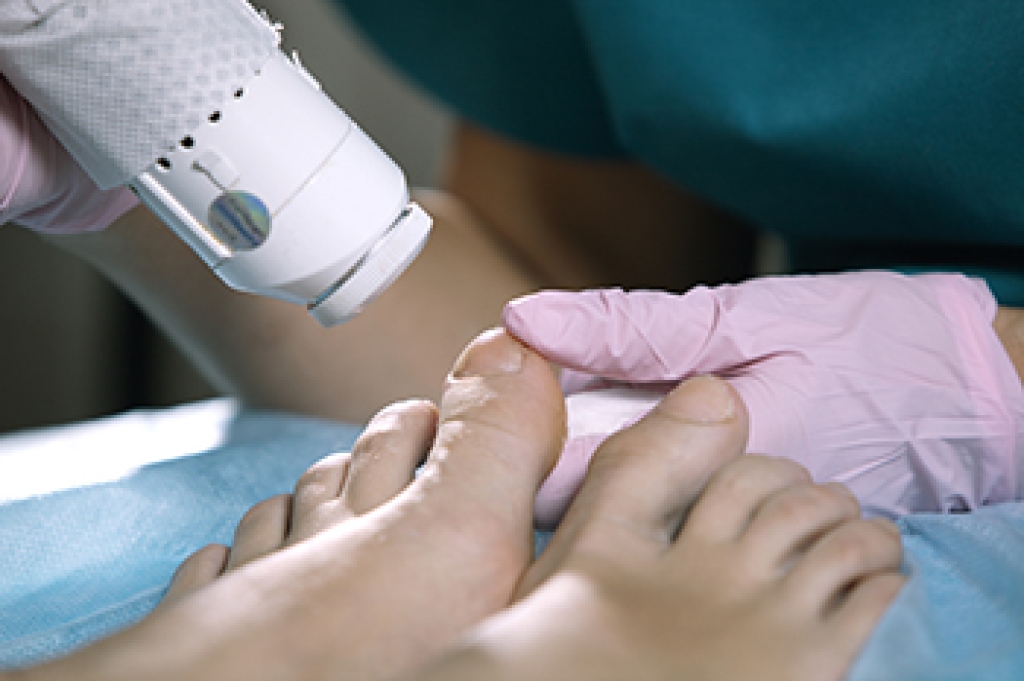
Toenail fungus, or onychomycosis, affects many people, causing thickened, crumbling, and discolored nails. While traditional treatments have limitations, laser therapy has emerged as a promising solution. Laser treatment for fungal toenails shows potential in inhibiting fungal growth and clearing infections. This option is particularly beneficial for individuals with kidney or liver disease, diabetes, or medication intolerance. Experts stress early intervention to prevent the spread of toenail fungus to other body areas. Laser treatment typically involves two sessions, with results becoming apparent in approximately two months. Comprehensive treatment covers all nails in the affected area, and is often complemented by topical creams for enhanced efficacy. Patience is an important factor in recovery from fungal toenail infections. Toenails may require up to 18 months for the nail to completely grow out. Laser treatment provides a ray of hope for those with persistent fungal nail infections. To find out more about treating toenail fungus, it is suggested that you consult a podiatrist.

Laser treatment can be an effective way to get rid of toenail fungus. If you have any questions about laser treatment, consult with Dr. Scott Shrem from Garden State Foot & Ankle Center. Our doctor will assess your condition and provide you with quality treatment for fungal nails.

What Are Toenail Fungal Infections?

Onychomycosis, or fungal infection of the nail, is a relatively common and non-serious condition. Around 10 percent of U.S. citizens are afflicted with fungal nails. Common forms of fungus that infect the nail include dermatophytes, yeasts, and molds.

Symptoms of Toenail Fungal Infections Include:

  • Nail thickening
  • Brittleness of the nail
  • Discoloration of the nail

Diagnosis for Fungal Nails

Fungal infections are diagnosed by fungal culture and microscopy. This will rule out any other conditions such as nail trauma, psoriasis, lichen planus, and onychogryphosis.

What Is Laser Treatment?

Laser treatment is a non-invasive, safe, quick, and painless procedure that uses the heat from a laser to kill fungus in the nail. Each infected nail is targeted with a laser for several minutes. The treatment is usually utilized several different times over a select period. During this time, a podiatrist will keep an eye on the infection.

If you have any questions, please feel free to contact our office located in Hazlet, NJ . We offer the newest diagnostic and treatment technologies for all your foot care needs.

Read more about Laser Treatment for Fungal Nails

Factors for Choosing Running Shoes

Choosing the right running shoes involves considering various factors to ensure they align with your specific needs. First, understanding your purpose is essential. Whether you are a casual runner or a marathon enthusiast who is aiming for a personal record, identifying your goals will guide your shoe selection. Next, consider the surface and terrain where you predominantly run. Road runners benefit from shoes with shock absorption and support to mitigate the impact on joints. Trail runners require enhanced grip, traction, and cushioning for uneven terrain. If you engage in both road and trail running, opt for shoes that strike a balance between support and traction. Additionally, the type of runs you undertake plays a vital role in selecting the right footwear. Casual runners can choose from a variety of options, while long-distance runners may prioritize cushioning and heel drop. For those focusing on speed, lighter and less cushioned shoes are preferable. Remember to rotate between two pairs to extend the lifespan of your shoes and reduce the risk of injuries. Ultimately, a thoughtful consideration of your running goals, preferred terrain, and running type will guide you toward the perfect pair of running shoes. If you have sustained an injury from running, it is suggested that you schedule an appointment with a podiatrist for an examination of your feet and evaluation of your shoes.

If you are a runner, wearing the right running shoe is essential. For more information, contact Dr. Scott Shrem from Garden State Foot & Ankle Center. Our doctor can provide the care you need to keep you pain-free and on your feet.

Choosing the Right Running Shoe for Your Foot Type

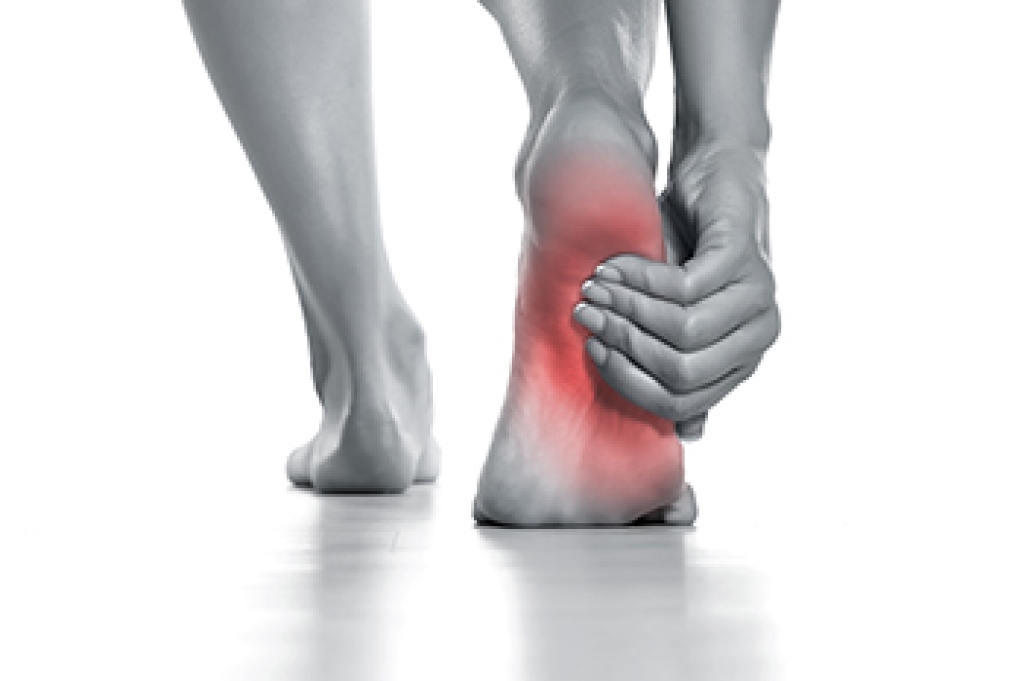
To increase performance and avoid the risk of injury, it is important to choose the right running shoe based on your foot type. The general design of running shoes revolves around pronation, which is how the ankle rolls from outside to inside when the foot strikes the ground.

  • Neutral runners are able to choose from a wide variety of shoes, including minimalist shoes or even going barefoot.
  • Runners who overpronate, or experience an over-abundance of ankle rolling, should choose shoes that provide extra motion control and stability.
  • Runners who underpronate, or supinate, have feet that have high arches and lack flexibility, preventing shock absorption. They require shoes with more flexibility and cushion.

If you have any questions, please feel free to contact our office located in Hazlet, NJ . We offer the newest diagnostic and treatment technologies for all your foot care needs.
Read more about Choosing the Right Running Shoe for Your Foot Type

Heel Pain Can Be Treated!

Do you suffer from heel pain when you get up in the morning? If so, you should seek professional help and have a proper diagnosis performed. Heel pain can be caused by several different foot-related conditions.

Symptoms and Sites of Heel Pain

Heel pain is a common concern with various causes and corresponding treatment approaches. The pain can occur at distinct sites, stemming from different triggers. One common source of heel pain is plantar fasciitis, located at the bottom of the heel. This condition occurs when excessive pressure damages or tears the tissues, leading to inflammation and gradual, escalating discomfort. Another site of heel pain is the Achilles tendon, positioned at the back of the lower leg. Repetitive stress, tight calf muscles, or a sudden increase in exercise intensity can contribute to pain in this area. Additionally, heel pain may be felt on the side of the foot, with lateral foot pain affecting the outside and medial foot pain affecting the inside edge. These variations can result from conditions such as stress fractures, sprains, and tarsal tunnel syndrome. Regardless of the specific site, heel pain often develops gradually, becoming more severe over time. In cases of injury, particularly those accompanied by a popping sound, immediate and intense pain may be experienced, necessitating prompt medical attention. Understanding the different sites and symptoms of heel pain is needed for an accurate diagnosis and the formulation of an effective treatment plan. If heel pain is a concern, it is suggested that you schedule an appointment with a podiatrist for an exam, diagnosis, and treatment plan.

Many people suffer from bouts of heel pain. For more information, contact Dr. Scott Shrem of Garden State Foot & Ankle Center. Our doctor can provide the care you need to keep you pain-free and on your feet.

Causes of Heel Pain

Heel pain is often associated with plantar fasciitis. The plantar fascia is a band of tissues that extends along the bottom of the foot. A rip or tear in this ligament can cause inflammation of the tissue.

Achilles tendonitis is another cause of heel pain. Inflammation of the Achilles tendon will cause pain from fractures and muscle tearing. Lack of flexibility is also another symptom.

Heel spurs are another cause of pain. When the tissues of the plantar fascia undergo a great deal of stress, it can lead to ligament separation from the heel bone, causing heel spurs.

Why Might Heel Pain Occur?

  • Wearing ill-fitting shoes                
  • Wearing non-supportive shoes
  • Weight change           
  • Excessive running

Treatments

Heel pain should be treated as soon as possible for immediate results. Keeping your feet in a stress-free environment will help. If you suffer from Achilles tendonitis or plantar fasciitis, applying ice will reduce the swelling. Stretching before an exercise like running will help the muscles. Using all these tips will help make heel pain a condition of the past.

If you have any questions, please feel free to contact our office located in Hazlet, NJ . We offer the newest diagnostic and treatment technologies for all your foot care needs.

Read more about Heel Pain
Connect with us

          New Jersey Doctor