We are OPEN and following CDC Guidelines

Hazlet 732-264-3668

Ways Your Shoes May Be Harming Your Feet

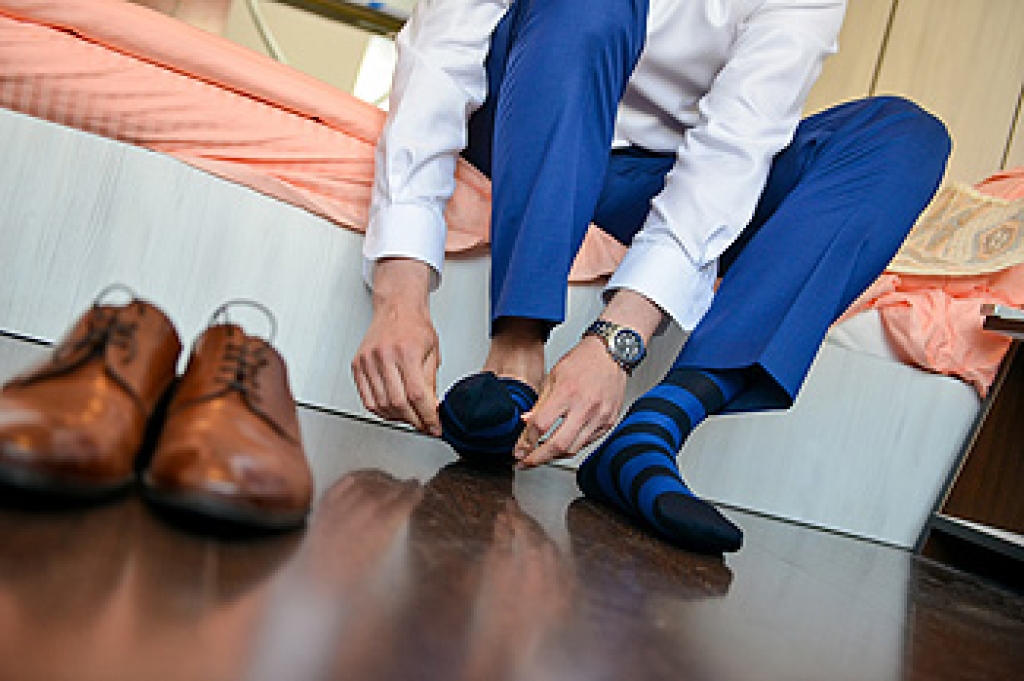
Shoes play an important role in foot health, yet many people have footwear that causes pain and other problems. Shoes that are too tight can squeeze the toes and place pressure on the front of the foot. This can lead to bunions, which are bony bumps that develop near the big toe joint. Tight shoes can also contribute to hammertoes, a condition in which the toes bend abnormally. Pointed-toe shoes are another concern because they push the toes together and reduce the space needed for normal movement. Footwear that does not fit properly can also change the way a person walks, creating strain on the feet and ankles.

Worn-out shoes can be just as harmful as shoes that fit poorly. The bottoms of shoes gradually wear down, especially around the heel. When this happens, the foot can become unbalanced while walking. Running shoes also lose their cushioning after repeated use. Less cushioning means the feet absorb more impact with every step. This can lead to discomfort in the feet, ankles, knees, and hips. Another common mistake is buying shoes without trying them on first. Shoe sizes can vary between brands, and a shoe that looks comfortable may not fit well once it is worn.

The time of day when shoes are purchased can also make a difference. Feet naturally swell after standing and walking for several hours. Shoes that feel comfortable early in the morning may become tight later in the day. It is also important to spend several minutes walking in new shoes before buying them. A podiatrist can evaluate foot structure, discuss footwear choices, and recommend supportive shoes or orthotics when needed. If you have foot pain from the shoes you wear, it is suggested that you make an appointment with a podiatrist for an exam and diagnosis.

Finding a properly-fitting shoe is important in reducing injuries and preventing foot problems. For more information about treatment, contact Dr. Scott Shrem from Garden State Foot & Ankle Center. Our doctor will treat your foot and ankle needs.

Proper Shoe Fitting

A common concern when it comes to foot health, having properly fitted shoes can help prevent injuries to the foot. Out feet affect our posture and gait, which in turn affects the biomechanics and overall bodily structure. With 33 joints, 26 bones, and over 100 ligaments, the potential for serious injury is much greater than one realizes. Although the feet cease growth in adulthood, they still change shape as they mature. Here are some factors to consider when it comes to investing in proper fitting shoes:

  • Be sure the shoes fit correctly right away
  • Ensure the ball of your foot fits comfortably in the widest portion of the shoes
  • Even though they may look fashionable, improper fitting shoes can either create adverse conditions or exacerbate existing ones you may already have
  • Walk along a carpeted surface to ensure the shoes comfortably fit during normal activity

Keeping in mind how shoes fit the biomechanics of your body, properly-fitting shoes are vitally important. Fortunately, it is not difficult to acquire footwear that fits correctly. Be sure to wear shoes that support the overall structure of your body. Do your feet a favor and invest in several pairs of well-fitted shoes today.

If you have any questions, please feel free to contact our office located in Hazlet, NJ . We offer the newest diagnostic and treatment technologies for all your foot care needs.
Read more about Getting the Right Shoe Size

When Heel Pain Has a Hidden Cause

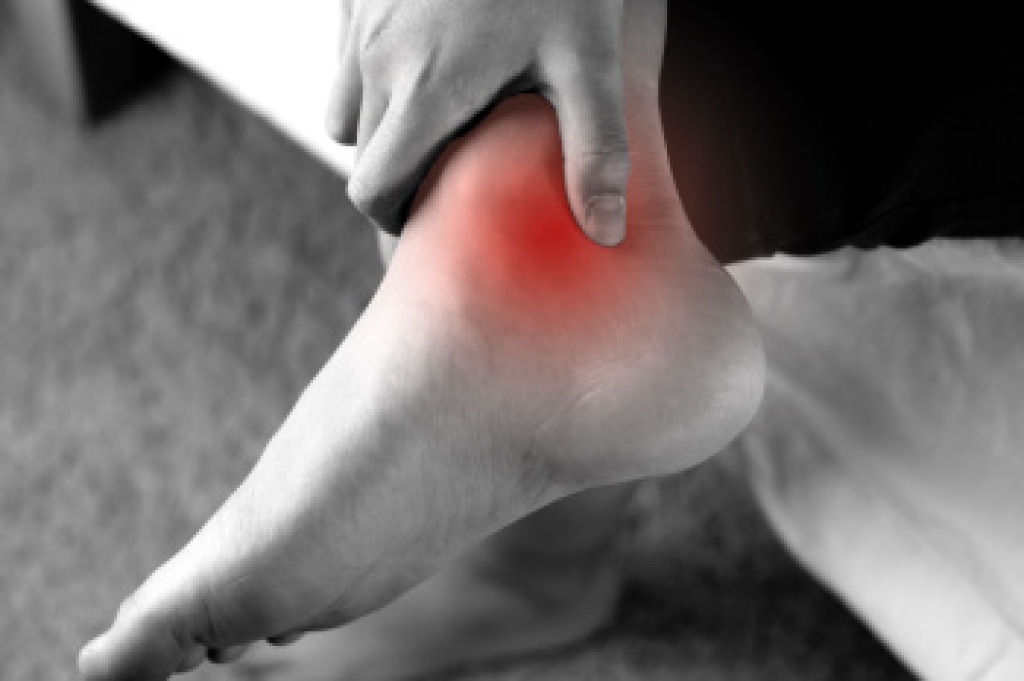
Chronic heel pain is often linked to plantar fasciitis, often caused by irritation and inflammation of the thick band of tissue that supports the arch and connects the heel to the toes. However, in some cases, the source of discomfort may involve nearby muscles and nerves rather than the plantar fascia alone. Tightness in the calf, especially deeper muscles in the lower leg, can place added pressure on structures that travel toward the foot. This may lead to ongoing heel pain, tenderness, burning, or discomfort that does not improve with standard treatments such as stretching, shoe changes, or activity modification. Careful evaluation can help determine whether nerve irritation or muscle-related tension is contributing to symptoms. Treatment options may vary based on the cause and can include targeted therapies aimed at relieving pressure and reducing pain. Identifying the true source of heel discomfort is important when symptoms continue despite conservative care. If your heel pain has become persistent or has not improved with initial treatment, it is suggested that you visit a podiatrist for a thorough evaluation.

Many people suffer from bouts of heel pain. For more information, contact Dr. Scott Shrem of Garden State Foot & Ankle Center. Our doctor can provide the care you need to keep you pain-free and on your feet.

Causes of Heel Pain

Heel pain is often associated with plantar fasciitis. The plantar fascia is a band of tissues that extends along the bottom of the foot. A rip or tear in this ligament can cause inflammation of the tissue.

Achilles tendonitis is another cause of heel pain. Inflammation of the Achilles tendon will cause pain from fractures and muscle tearing. Lack of flexibility is also another symptom.

Heel spurs are another cause of pain. When the tissues of the plantar fascia undergo a great deal of stress, it can lead to ligament separation from the heel bone, causing heel spurs.

Why Might Heel Pain Occur?

  • Wearing ill-fitting shoes                
  • Wearing non-supportive shoes
  • Weight change           
  • Excessive running

Treatments

Heel pain should be treated as soon as possible for immediate results. Keeping your feet in a stress-free environment will help. If you suffer from Achilles tendonitis or plantar fasciitis, applying ice will reduce the swelling. Stretching before an exercise like running will help the muscles. Using all these tips will help make heel pain a condition of the past.

If you have any questions, please feel free to contact our office located in Hazlet, NJ . We offer the newest diagnostic and treatment technologies for all your foot care needs.
Read more about Heel Pain

Foot Injuries Related to Dancing

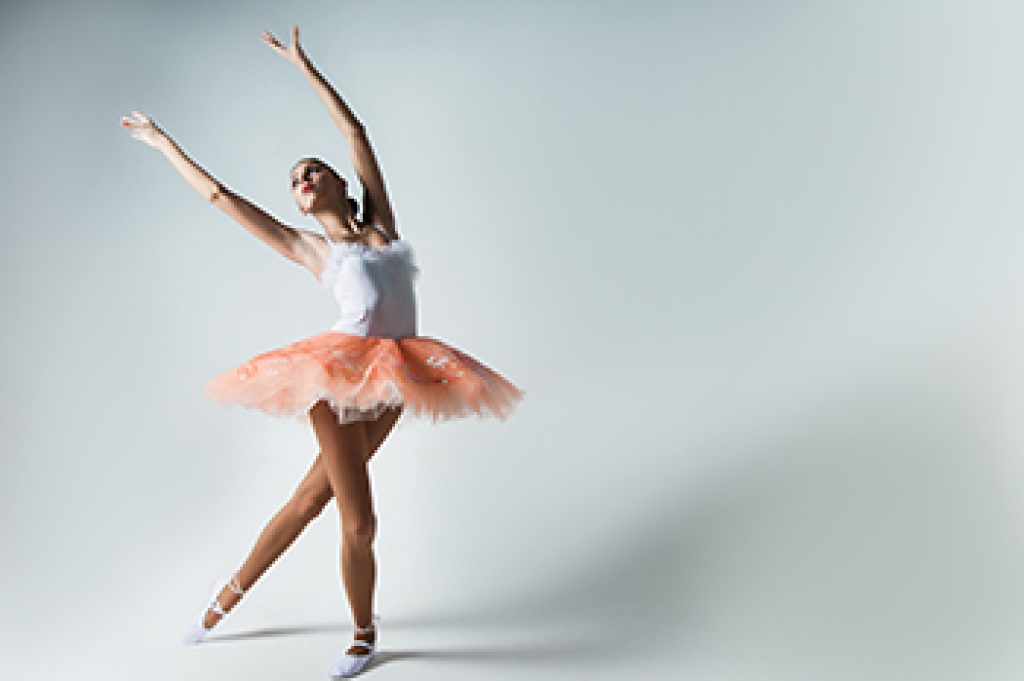
Dancing places repeated stress on the feet and ankles, which can lead to several common injuries. An ankle sprain occurs when ligaments are stretched or torn, often from landing awkwardly or twisting during movement. Trigger toe happens when the tendons controlling toe motion become irritated, leading to pain or stiffness during push off. Achilles tendonitis develops from overuse of the tendon that connects the calf to the heel, causing soreness and tightness at the back of the ankle. Additionally, a dancer fracture is a small break in the foot bones, usually caused by repetitive impact or sudden force during jumps. These conditions may appear as pain, swelling, reduced flexibility, or difficulty bearing weight. A podiatrist can diagnose each injury, assess severity, and guide recovery to restore strength and movement. If you have incurred a foot or ankle injury from dancing, it is suggested that you consult a podiatrist who can offer appropriate relief and treatment solutions.

Sports related foot and ankle injuries require proper treatment before players can go back to their regular routines. For more information, contact Dr. Scott Shrem of Garden State Foot & Ankle Center. Our doctor can provide the care you need to keep you pain-free and on your feet.

Sports Related Foot and Ankle Injuries

Foot and ankle injuries are a common occurrence when it comes to athletes of any sport. While many athletes dismiss the initial aches and pains, the truth is that ignoring potential foot and ankle injuries can lead to serious problems. As athletes continue to place pressure and strain the area further, a mild injury can turn into something as serious as a rupture and may lead to a permanent disability. There are many factors that contribute to sports related foot and ankle injuries, which include failure to warm up properly, not providing support or wearing bad footwear. Common injuries and conditions athletes face, including:

  • Plantar Fasciitis
  • Achilles Tendinitis
  • Achilles Tendon Rupture
  • Ankle Sprains

Sports related injuries are commonly treated using the RICE method. This includes rest, applying ice to the injured area, compression and elevating the ankle. More serious sprains and injuries may require surgery, which could include arthroscopic and reconstructive surgery. Rehabilitation and therapy may also be required in order to get any recovering athlete to become fully functional again. Any unusual aches and pains an athlete sustains must be evaluated by a licensed, reputable medical professional.

If you have any questions please contact our office located in Hazlet, NJ . We offer the newest diagnostic and treatment technologies for all your foot and ankle needs.

Read more about Sports Related Foot And Ankle Injuries

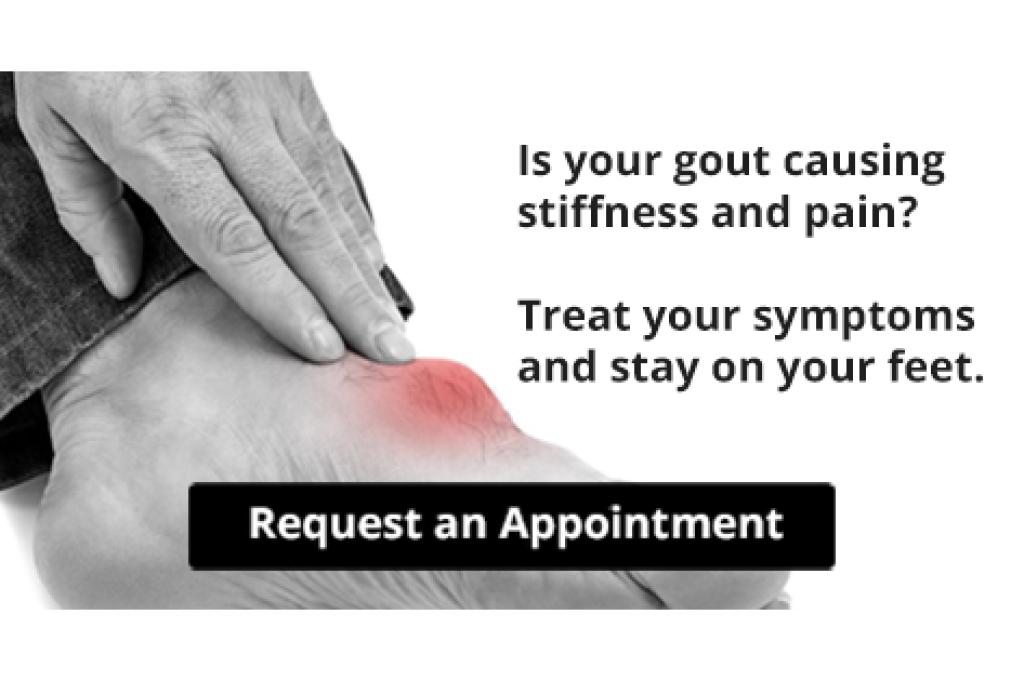
Gout Pain Can Be Managed

Gout is a painful, inflammatory form of arthritis. Those affected will typically feel an intense stiffness in the joints of their feet, particularly in the big toe. Schedule a visit to learn about how gout can be managed and treated.

Facts About Tarsal Tunnel Syndrome

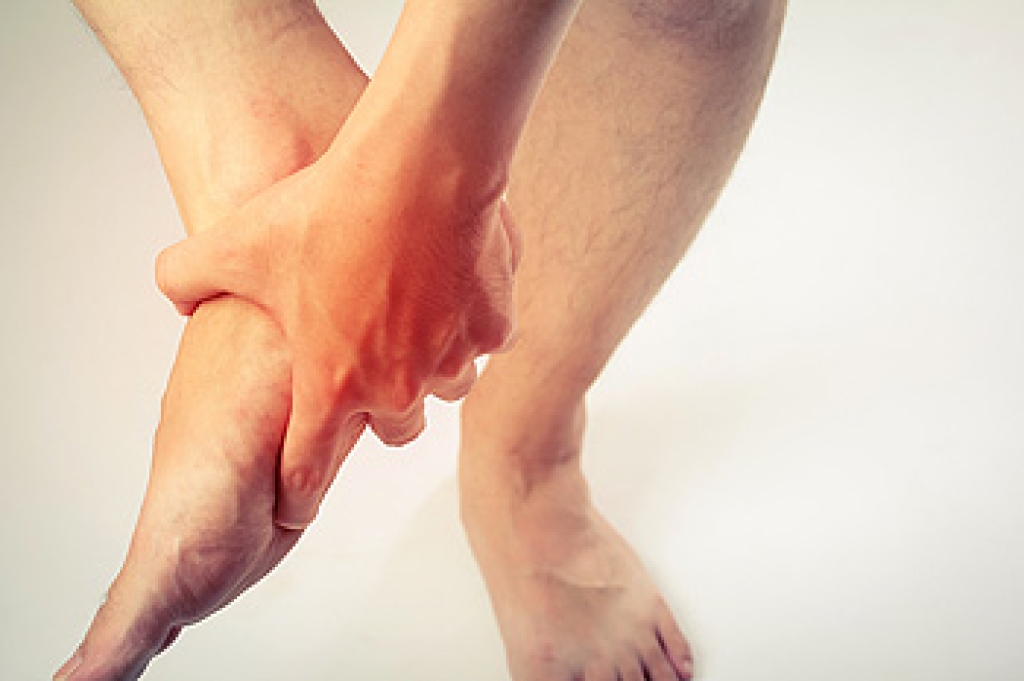
Tarsal tunnel syndrome is caused by compression of the posterior tibial nerve as it passes through a narrow space along the inside of the ankle. This pressure can develop from flat feet, swelling after injury, or conditions like arthritis or diabetes. Risk factors include poor foot structure, repetitive stress, and inflammation in the area. Symptoms include tingling, burning, numbness, or shooting pain that can extend into the foot and toes. Discomfort may worsen with activity or prolonged standing. A podiatrist can evaluate the condition, identify underlying causes, and recommend treatment options. Included are supportive footwear, prescribed orthotics, or certain medication. If you have pain in this part of your foot, it is suggested that you consult a podiatrist who can diagnose and treat the problem.

Tarsal tunnel syndrome can be very uncomfortable to live with. If you are experiencing tarsal tunnel syndrome, contact Dr. Scott Shrem of Garden State Foot & Ankle Center. Our doctor can provide the care you need to keep you pain-free and on your feet.

Tarsal Tunnel Syndrome

Tarsal tunnel syndrome, which can also be called tibial nerve dysfunction, is an uncommon condition of misfiring peripheral nerves in the foot. The tibial nerve is the peripheral nerve in the leg responsible for sensation and movement of the foot and calf muscles. In tarsal tunnel syndrome, the tibial nerve is damaged, causing problems with movement and feeling in the foot of the affected leg.

Common Cause of Tarsal Tunnel Syndrome

  • Involves pressure or an injury, direct pressure on the tibial nerve for an extended period of time, sometimes caused by other body structures close by or near the knee.
  • Diseases that damage nerves, including diabetes, may cause tarsal tunnel syndrome.
  • At times, tarsal tunnel syndrome can appear without an obvious cause in some cases.

The Effects of Tarsal Tunnel Syndrome

  • Different sensations, an afflicted person may experience pain, tingling, burning or other unusual sensations in the foot of the affected leg.
  • The foot muscles, toes and ankle become weaker, and curling your toes or flexing your foot can become difficult.
  • If condition worsens, infections and ulcers may develop on the foot that is experiencing the syndrome.

A physical exam of the leg can help identify the presence of tarsal tunnel syndrome. Medical tests, such as a nerve biopsy, are also used to diagnose the condition. Patients may receive physical therapy and prescriptive medication. In extreme cases, some may require surgery.

If you have any questions please contact our office located in Hazlet, NJ . We offer the newest diagnostic and treatment technologies for all your foot and ankle needs.

Read more about Tarsal Tunnel Syndrome
Connect with us

          New Jersey Doctor