

We are OPEN and following CDC Guidelines

Hazlet 732-264-3668

Painful Lumps on the Toes

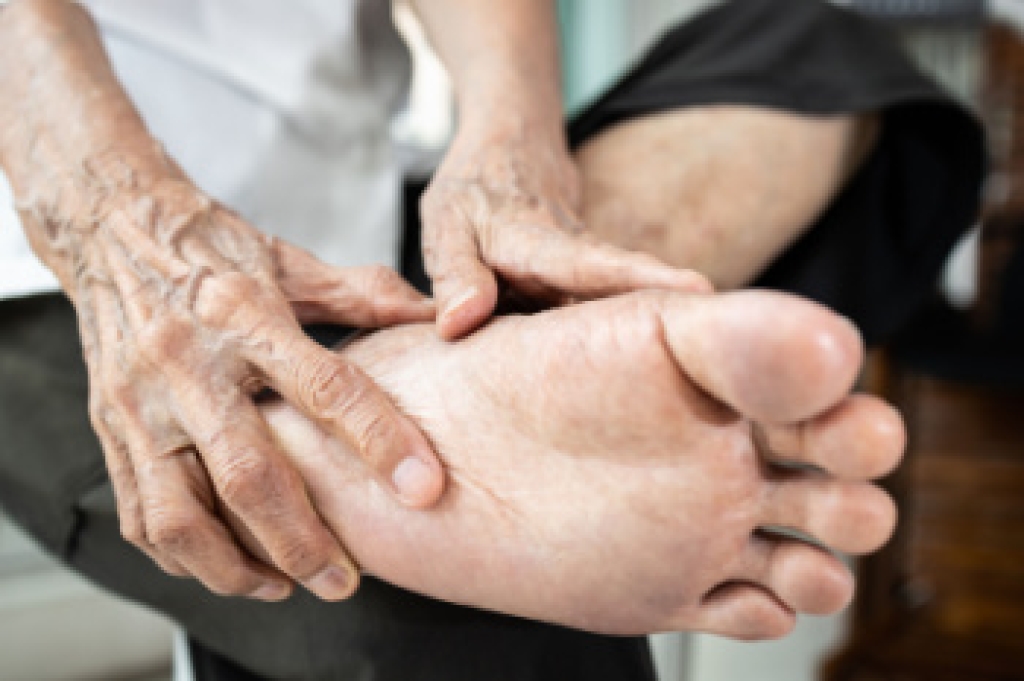
Lumps on the toes can develop for several reasons and may vary in size, texture, and level of discomfort. Some lumps grow slowly over time while others appear suddenly after irritation or injury. A common cause is a bunion or bunionette, which forms when the toes shift and creates a bony bump. Ganglion cysts may also appear near the joints or tendons and feel like soft, fluid-filled swellings under the skin. Corns and callouses can sometimes look like small lumps because the skin thickens in response to pressure from shoes. In some cases, a lump may develop from arthritis in the toe joint, which can create bony enlargements that feel firm and tender. Other possibilities include gout deposits, small benign growths, or inflammation of the surrounding tissues. A podiatrist can examine the toe and may use imaging to determine the exact cause of the lump. Treatment depends on the diagnosis and may include footwear changes, padding, medication, or other corrective care. If you notice a lump on your toe, it is suggested that you make an appointment with a podiatrist.

Toe pain can disrupt your daily activities. If you have any concerns, contact Dr. Scott Shrem of Garden State Foot & Ankle Center. Our doctor can provide the care you need to keep you pain-free and on your feet.

What Causes Toe Pain?

Most severe toe pain is caused due to a sports injury, trauma from dropping something heavy on the toe, or bumping into something rigid. Other problems can develop over time for various reasons.

Toe pain can be caused by one or more ailments. The most common include:

  • Trauma
  • Sports injury
  • Wearing shoes that are too tight
  • Arthritis
  • Gout
  • Corns and calluses
  • Hammertoe
  • Bunions
  • Blisters
  • Ingrown toenails
  • Sprains
  • Fractures (broken bones)
  • Dislocations

When to See a Podiatrist

  • Severe pain
  • Persistent pain that lasts more than a week
  • Signs of infection
  • Continued swelling
  • Pain that prevents walking

Diagnosis

In many cases the cause of toe pain is obvious, but in others, a podiatrist may want to use more advanced methods to determine the problem. These can range from simple visual inspections and sensation tests to X-rays and MRI scans. Prior medical history, family medical history, and any recent physical traumatic events will all be taken into consideration for a proper diagnosis.

Treatment

Treatments for toe pain and injuries vary and may include shoe inserts, padding, taping, medicines, injections, and in some cases, surgery. If you believe that you have broken a toe, please see a podiatrist as soon as possible.

If you have any questions please contact our office located in Hazlet, NJ . We offer the newest diagnostic and treatment technologies for all your foot and ankle needs.
Read more about Toe Pain

Managing Foot and Ankle Pain in Rheumatoid Arthritis

Rheumatoid arthritis is an autoimmune condition that causes chronic inflammation in the joints. The immune system mistakenly attacks the lining of the joints, leading to swelling, stiffness, and pain. The feet and ankles are often affected because they contain many small joints that help support body weight and movement. People with rheumatoid arthritis may notice tenderness in the forefoot, arch discomfort, ankle instability, or gradual changes in foot shape. Ongoing inflammation can weaken ligaments and damage joint surfaces, and over time, make walking more difficult. Management often focuses on reducing stress on the affected joints while maintaining mobility. Wearing supportive footwear, custom orthotics, and activity modification can help reduce pressure during daily movement. Targeted exercises may also help preserve flexibility and strength. When foot or ankle pain related to rheumatoid arthritis begins to limit comfort or mobility, it is suggested that a podiatrist evaluate the condition and recommend appropriate treatment.

Because RA affects more than just your joints, including the joints in your feet and ankles, it is important to seek early diagnosis from your podiatrist if you feel like the pain in your feet might be caused by RA. For more information, contact Dr. Scott Shrem of Garden State Foot & Ankle Center. Our doctor will assist you with all of your podiatric concerns.

What Is Rheumatoid Arthritis?

Rheumatoid Arthritis (RA) is an autoimmune disorder in which the body’s own immune system attacks the membranes surrounding the joints. Inflammation of the lining and eventually the destruction of the joint’s cartilage and bone occur, causing severe pain and immobility.

Rheumatoid Arthritis of the Feet

Although RA usually attacks multiple bones and joints throughout the entire body, almost 90 percent of cases result in pain in the foot or ankle area.

Symptoms

  • Swelling and pain in the feet
  • Stiffness in the feet
  • Pain on the ball or sole of feet
  • Joint shift and deformation

Diagnosis

Quick diagnosis of RA in the feet is important so that the podiatrist can treat the area effectively. Your doctor will ask you about your medical history, occupation, and lifestyle to determine the origin of the condition. Rheumatoid Factor tests help to determine if someone is affected by the disease.

If you have any questions, please feel free to contact our office located in Hazlet, NJ . We offer the newest diagnostic and treatment technologies for all your foot care needs.

Read more about Rheumatoid Arthritis in the Feet

Managing Flare-Ups From Gout

Gout flare-ups can cause intense foot pain, especially in the big toe, where uric acid crystals build up in the joint and lead to sudden swelling, warmth, and redness. These episodes often begin without warning and make it difficult to put pressure on the foot or move the affected toe or ankle. Gout is a type of chronic  arthritis that is long-term and treatable, but not curable. Repeated gout flares can occur if uric acid levels rise again. Shoes with inadequate support, prolonged standing, and dehydration can place extra stress on sensitive joints and worsen discomfort during a gout flare. Untreated gout can damage the soft tissue inside the affected joint and increase the risk of serious kidney problems. A podiatrist can evaluate joint swelling, test uric acid levels to confirm the diagnosis, and prescribe medication to help reduce symptoms. If you have pain from gout, it is suggested that you make an appointment with a podiatrist for an exam and managed care.

Gout is a foot condition that requires certain treatment and care. If you are seeking treatment, contact Dr. Scott Shrem from Garden State Foot & Ankle Center. Our doctor will treat your foot and ankle needs.

What Is Gout?

Gout is a type of arthritis caused by a buildup of uric acid in the bloodstream. It often develops in the foot, especially the big toe area, although it can manifest in other parts of the body as well. Gout can make walking and standing very painful and is especially common in diabetics and the obese.

People typically get gout because of a poor diet. Genetic predisposition is also a factor. The children of parents who have had gout frequently have a chance of developing it themselves.

Gout can easily be identified by redness and inflammation of the big toe and the surrounding areas of the foot. Other symptoms include extreme fatigue, joint pain, and running high fevers. Sometimes corticosteroid drugs can be prescribed to treat gout, but the best way to combat this disease is to get more exercise and eat a better diet.

If you have any questions, please feel free to contact our office located in Hazlet, NJ . We offer the newest diagnostic and treatment technologies for all your foot care needs.

Read more about Everything You Need to Know About Gout

Why Live with Pain and Numbness in Your Feet?

Suffering from this type of pain? You may have the foot condition known as Morton's neuroma. Morton's neuroma may develop as a result of ill-fitting footwear and existing foot deformities. We can help.

How Standing All Day Affects Your Feet

Spending long hours working in a standing position can have a significant impact on foot and leg health. Blood may pool in the feet and lower legs, causing swelling, heaviness, and discomfort. Prolonged standing also leads to foot fatigue, soreness in the arches and heels, and can increase the risk of developing conditions such as plantar fasciitis or varicose veins. Wearing improper footwear or lack of supportive surfaces can make these problems worse over time. A podiatrist can evaluate your feet, recommend custom orthotics, provide footwear guidance, and suggest exercises to improve circulation and reduce strain. If you have foot pain from standing at work most of the day, it is suggested that you consult a podiatrist who can provide solutions to protect your feet and maintain comfort throughout your workday.

While working on the feet, it is important to take the proper care of them. For more information about working on your feet, contact Dr. Scott Shrem from Garden State Foot & Ankle Center. Our doctor will treat your foot and ankle needs.

Working on Your Feet

Standing on your feet for long periods of time can cause stress and pain in your feet. Your whole body may experience change in terms of posture, back pain, bunions, callouses and or plantar warts. There are ways to avoid these conditions with proper foot care, smart choices and correct posture.

Positive Changes

Negative heeled shoe – Choosing this shoe type places the heel slightly lower than the ball of the foot. These are great for overall foot health. Find shoes that fit you correctly.

Go barefoot – Our feet were not designed to be enclosed for all hours of the day. Try to periodically expose your feet to air.

Eliminate Pain

Foot Exercises – Performing simple exercises, incorporating yoga and doing stretches are beneficial. This will allow increased blood flow to the area and muscles of the foot.

Achilles tendon – Stretching the foot out flat on the floor will relax the calf muscles and tendon. These exercises can be performed almost anywhere. Make sure you add these exercises to your daily regimen. 

With a little bit of this information and knowing more about foot health, you will notice changes. Foot stretches and proper footwear will help with pain and prevent further issues.

If you have any questions please contact our office located in Hazlet, NJ . We offer the newest diagnostic and treatment technologies for all your foot and ankle needs.

Read more about Working on Your Feet
Connect with us

          New Jersey Doctor