
We are OPEN and following CDC Guidelines

Hazlet 732-264-3668

Causes and Treatment of Corns on the Feet

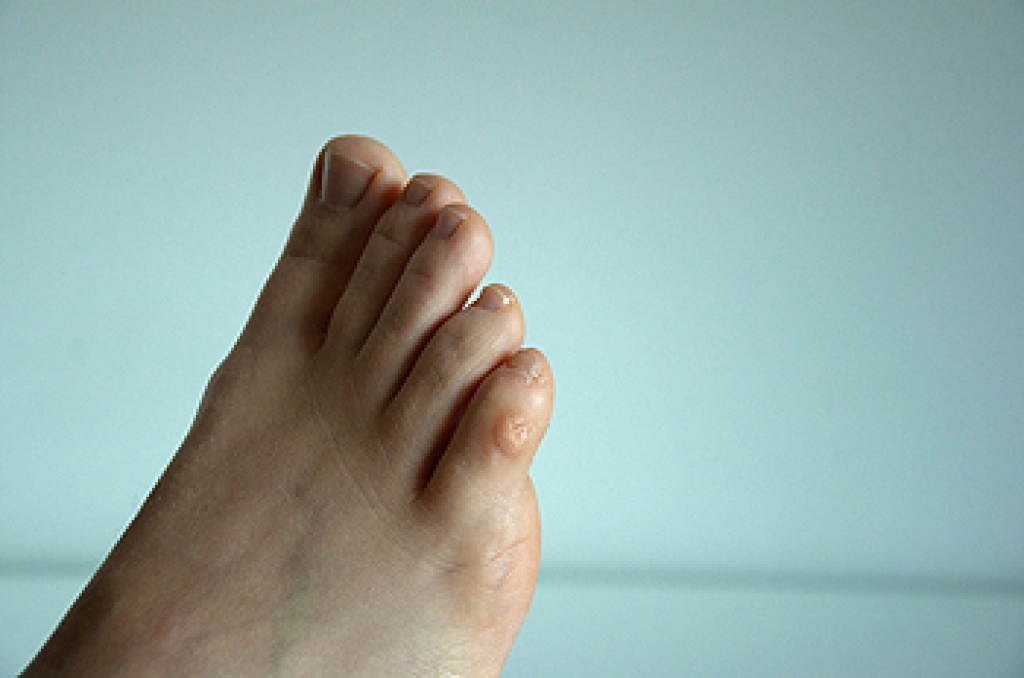
Corns are small, thick areas of skin that develop when repeated pressure or rubbing affects the same spot on the foot. A corn forms a more defined, round shape, often appearing on the top or sides of the toes. It has a hardened core that causes pain. A corn can also develop on the bottom of the foot. Pain can become noticeable while walking or when shoes press against the affected area. Shoes that do not fit correctly are a leading cause. High-heeled shoes can squeeze the toes and increase pressure. Foot structure also plays a role. Bunions, hammertoes, and other changes in foot shape create areas where skin thickens to protect itself from constant friction.

Instead of simply treating the thickened skin, a podiatrist can examine the foot to find the reason the corn developed. This helps identify pressure points and any foot problem causing repeated irritation. Corns usually return when the source of pressure remains. During treatment, a podiatrist can safely remove the thickened skin with specialized instruments. This reduces pain and improves comfort while walking. A podiatrist may also recommend custom orthotics when they are appropriate. These shoe inserts help spread pressure more evenly across the foot. Advice about shoes that fit correctly is another important part of treatment, because proper fit reduces rubbing and helps prevent new corns.

Ignoring a painful corn can change the way you walk, placing extra stress on other parts of the foot and ankle. Continued pressure can also increase discomfort and make daily activities more difficult. Patients with diabetes or poor circulation should never ignore a corn, because even minor skin problems deserve prompt attention. Early diagnosis allows a podiatrist to treat the corn and address the underlying cause before more serious problems develop. If you have foot pain from corns, it is suggested that you schedule an appointment with a podiatrist for effective relief and treatment solutions.

If you have any concerns regarding your feet and ankles, contact Dr. Scott Shrem of Garden State Foot & Ankle Center. Our doctor will treat your foot and ankle needs.

Corns: What Are They? and How Do You Get Rid of Them?
Corns can be described as areas of the skin that have thickened to the point of becoming painful or irritating. They are often layers and layers of the skin that have become dry and rough, and are normally smaller than calluses.

Ways to Prevent Corns
There are many ways to get rid of painful corns such as wearing:

  • Well-fitting socks
  • Comfortable shoes that are not tight around your foot
  • Shoes that offer support

Treating Corns
Treatment of corns involves removing the dead skin that has built up in the specific area of the foot. Consult with Our doctor to determine the best treatment option for your case of corns.

If you have any questions, please feel free to contact our office located in Hazlet, NJ . We offer the newest diagnostic and treatment technologies for all your foot care needs.
Read more about Corns and Calluses

Diabetic Foot Wounds and Why Healing Is Slow

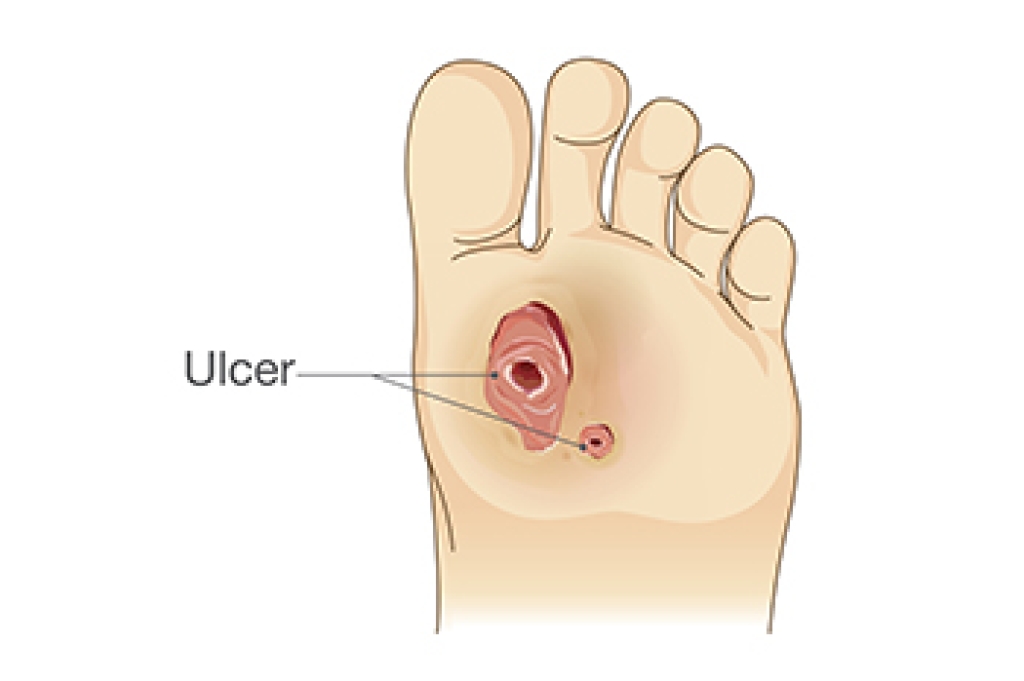
A foot wound is a break in the skin that may occur from pressure, friction, or minor injury. In people with diabetes, even a small cut can become serious because the body does not heal as efficiently. High blood sugar can damage blood vessels and reduce circulation, which limits oxygen and nutrient delivery to the tissue. This creates an environment where wounds take longer to close and are more prone to infection.

Common symptoms include redness, swelling, and delayed healing. Some patients notice bruising around the wound or a darkened area that signals tissue damage. There may also be weakness in the surrounding skin, making it more likely to break down again. A key concern is the inability to feel pain due to neuropathy, which can allow wounds to worsen without awareness. Risk factors include long-standing diabetes, poor glucose control, and improper footwear. Tight shoes can cause repeated pressure and friction that lead to skin breakdown. Neuropathy reduces sensation, while a compromised immune response makes it harder to fight infection. In some cases, bandages that are too tight or not changed properly may trap moisture and delay healing.


Proper wound care is essential for recovery. Daily self checks help detect early changes before they become severe. Keeping the wound clean, protected, and properly dressed supports healing. Offloading pressure and wearing well-fitted shoes reduce further injury. Managing blood sugar is critical for tissue repair. If you have a foot wound, it is suggested that you consult a podiatrist for an accurate diagnosis and appropriate treatment.

Wound care is an important part in dealing with diabetes. If you have diabetes and a foot wound or would like more information about wound care for diabetics, consult with Dr. Scott Shrem from Garden State Foot & Ankle Center. Our doctor will assess your condition and provide you with quality foot and ankle treatment.

What Is Wound Care?

Wound care is the practice of taking proper care of a wound. This can range from the smallest to the largest of wounds. While everyone can benefit from proper wound care, it is much more important for diabetics. Diabetics often suffer from poor blood circulation which causes wounds to heal much slower than they would in a non-diabetic. 

What Is the Importance of Wound Care?

While it may not seem apparent with small ulcers on the foot, for diabetics, any size ulcer can become infected. Diabetics often also suffer from neuropathy, or nerve loss. This means they might not even feel when they have an ulcer on their foot. If the wound becomes severely infected, amputation may be necessary. Therefore, it is of the upmost importance to properly care for any and all foot wounds.

How to Care for Wounds

The best way to care for foot wounds is to prevent them. For diabetics, this means daily inspections of the feet for any signs of abnormalities or ulcers. It is also recommended to see a podiatrist several times a year for a foot inspection. If you do have an ulcer, run the wound under water to clear dirt from the wound; then apply antibiotic ointment to the wound and cover with a bandage. Bandages should be changed daily and keeping pressure off the wound is smart. It is advised to see a podiatrist, who can keep an eye on it.

If you have any questions please contact our office located in Hazlet, NJ . We offer the newest diagnostic and treatment technologies for all your foot and ankle needs.

Read more about Wound Care

The Hidden Risks of Blisters

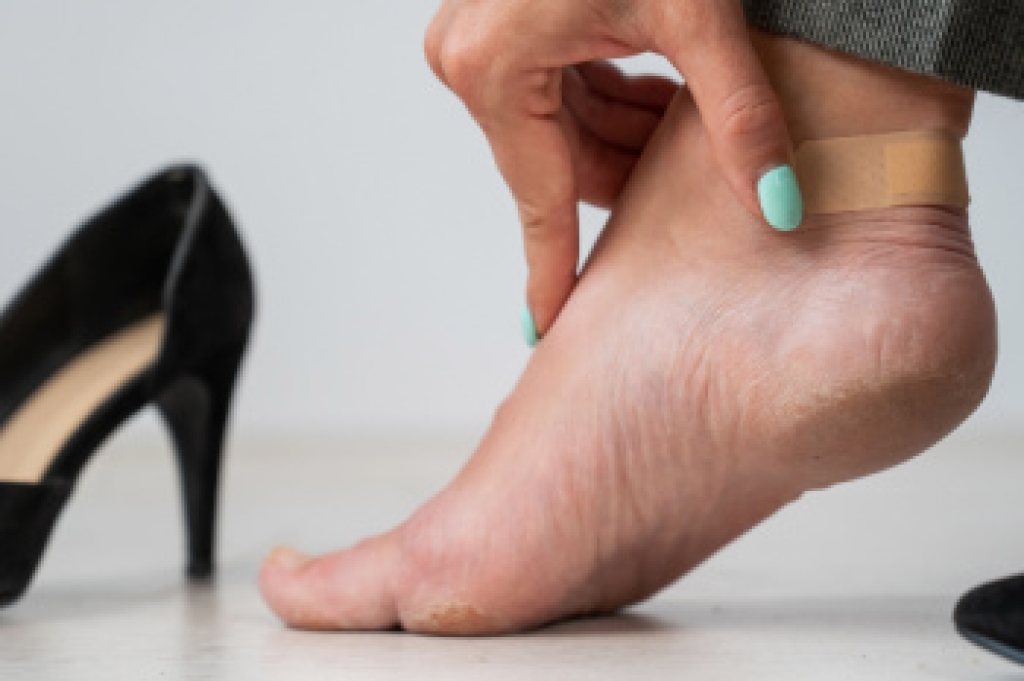
Blisters are pockets of fluid that form beneath the outer layer of skin. They develop when repeated rubbing or pressure damages the skin and causes fluid to collect in the affected area. On the feet, blisters frequently occur on the heels, toes or balls of the feet. Activities that involve extended periods of walking, running or standing can increase the risk. Shoes that are too tight can also contribute to blister formation. Footwear that lacks proper support may create extra movement inside the shoe, leading to friction and irritation. Blisters can cause discomfort, tenderness and pain that interferes with daily activities.

Although many blisters begin as a minor problem, they can become more serious when the skin breaks open. An open blister creates an entry point for bacteria, which can lead to infection. Signs of infection include redness, swelling and drainage. Additional symptoms may include warmth around the area or increasing pain. People with diabetes or circulation problems should take blisters seriously because even small skin injuries can develop into larger foot complications. Prompt evaluation by a podiatrist can help identify concerns before they worsen and can reduce the risk of long-term problems.

A podiatrist can determine the cause of recurring blisters and recommend treatment based on the condition of the skin and foot structure. Treatment may involve protective dressings, pressure-relieving devices or recommendations for properly fitted shoes. A podiatrist can also evaluate the way a patient walks to identify abnormal pressure points that contribute to repeated friction. Addressing these underlying factors helps reduce discomfort and lowers the chance of future blisters. Professional care is especially important when blisters are painful, recurrent or show signs of infection. Early treatment can help preserve skin health and keep patients active and comfortable. If you frequently develop blisters which have become infected, it is suggested that you schedule an appointment with a podiatrist for effective treatment solutions and prevention tips. 

Blisters may appear as a single bubble or in a cluster. They can cause a lot of pain and may be filled with pus, blood, or watery serum. If your feet are hurting, contact Dr. Scott Shrem of Garden State Foot & Ankle Center. Our doctor can provide the care you need to keep you pain-free and on your feet.

Foot Blisters

Foot blisters are often the result of friction. This happens due to the constant rubbing from shoes, which can lead to pain.

What Are Foot Blisters?

A foot blister is a small fluid-filled pocket that forms on the upper-most layer of the skin. Blisters are filled with clear fluid and can lead to blood drainage or pus if the area becomes infected.

Symptoms

(Blister symptoms may vary depending on what is causing them)

  • Bubble of skin filled with fluid
  • Redness
  • Moderate to severe pain
  • Itching

Prevention & Treatment

In order to prevent blisters, you should be sure to wear comfortable shoes with socks that cushion your feet and absorb sweat. Breaking a blister open may increase your chances of developing an infection. However, if your blister breaks, you should wash the area with soap and water immediately and then apply a bandage to the affected area. If your blisters cause severe pain it is important that you call your podiatrist right away.

If you have any questions, please feel free to contact our office located in Hazlet, NJ . We offer the newest diagnostic and treatment technologies for all your foot care needs.

Read more about Blisters on the Feet

Simple Steps to Protect Diabetic Feet

Diabetes is a metabolic condition that impacts the body ability to regulate blood sugar levels. When glucose remains elevated, it can lead to damage in various parts of the body, including the feet. The ankle and foot structures depend on healthy circulation and nerve function, both of which can be affected by diabetes. As a result, even minor injuries can develop into serious concerns, if not addressed promptly. Learning how to care for the feet each day is a key part of managing diabetes effectively.

Common symptoms of diabetes include fatigue, slow-healing wounds, and changes in sensation. In the feet, individuals may notice numbness, burning, or tingling. These symptoms can make it difficult to feel injuries, which increases the risk of unnoticed damage. Dry skin and cracking may also occur, creating openings for infection. Because of these factors, daily attention to foot health is not optional, but necessary for preventing complications and maintaining comfort.


Risk factors for diabetes-related foot issues include poor blood sugar control, smoking, and improper footwear. Foot care should begin with a daily inspection to check for cuts, blisters, or changes in skin color. Washing the feet with mild soap and warm water helps remove bacteria, while drying thoroughly prevents moisture buildup. Toenails should be trimmed straight across and filed gently to avoid injury. Wearing properly fitted shoes with adequate support protects the feet from pressure and friction that can lead to sores.


Treatment focuses on prevention and early intervention. Managing blood sugar levels plays a major role in reducing complications. Moisturizing the skin, avoiding walking barefoot, and choosing breathable footwear can support overall foot health. Regular visits to a podiatrist help monitor changes and address concerns before they progress. Consistent foot-care habits are essential for long term wellness. If you have diabetes and notice changes in your feet, it is strongly suggested that you are under the care of a podiatrist who can help you to manage this serious condition.

Diabetic foot care is important in preventing foot ailments such as ulcers. If you are suffering from diabetes or have any other concerns about your feet, contact Dr. Scott Shrem from Garden State Foot & Ankle Center. Our doctor can provide the care you need to keep you pain-free and on your feet.

Diabetic Foot Care

Diabetes affects millions of people every year. The condition can damage blood vessels in many parts of the body, especially the feet. Because of this, taking care of your feet is essential if you have diabetes, and having a podiatrist help monitor your foot health is highly recommended.

The Importance of Caring for Your Feet

  • Routinely inspect your feet for bruises or sores.
  • Wear socks that fit your feet comfortably.
  • Wear comfortable shoes that provide adequate support.

Patients with diabetes should have their doctor monitor their blood levels, as blood sugar levels play such a huge role in diabetic care. Monitoring these levels on a regular basis is highly advised.

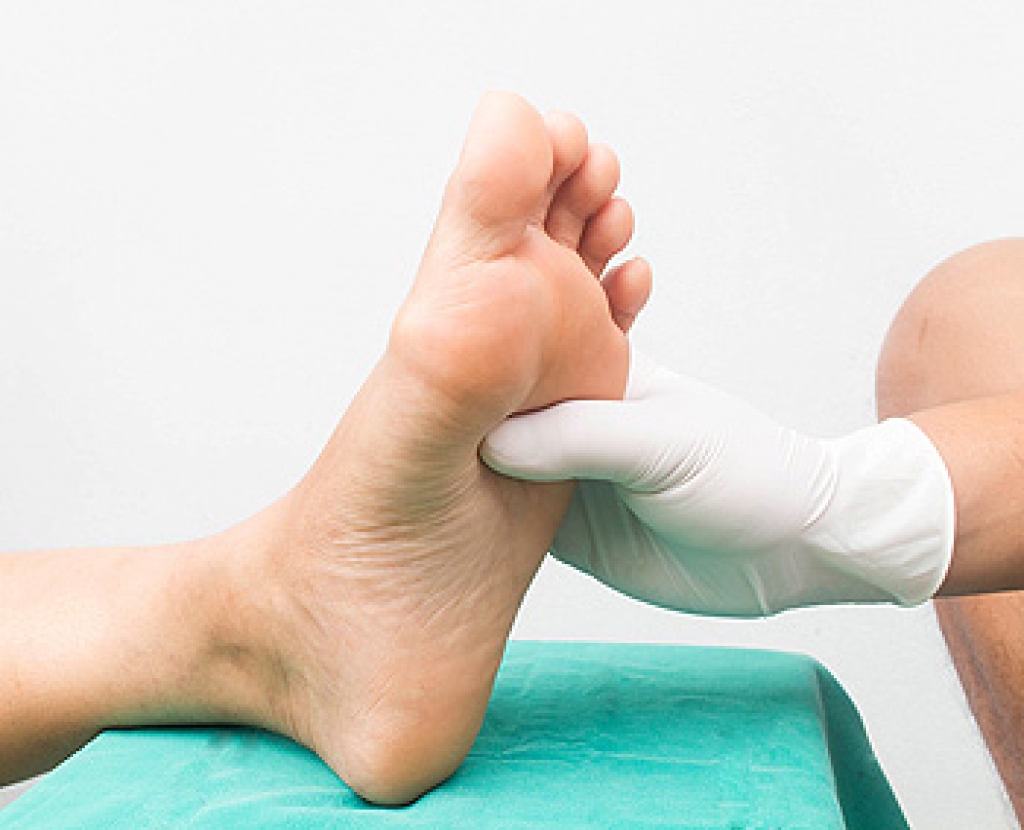
It is always best to inform your healthcare professional of any concerns you may have regarding your feet, especially for diabetic patients. Early treatment and routine foot examinations are keys to maintaining proper health, especially because severe complications can arise if proper treatment is not applied.

If you have any questions, please feel free to contact our office located in Hazlet, NJ . We offer the newest diagnostic and treatment technologies for all your foot care needs.
Read more about Diabetic Foot Conditions
Connect with us

          New Jersey Doctor