


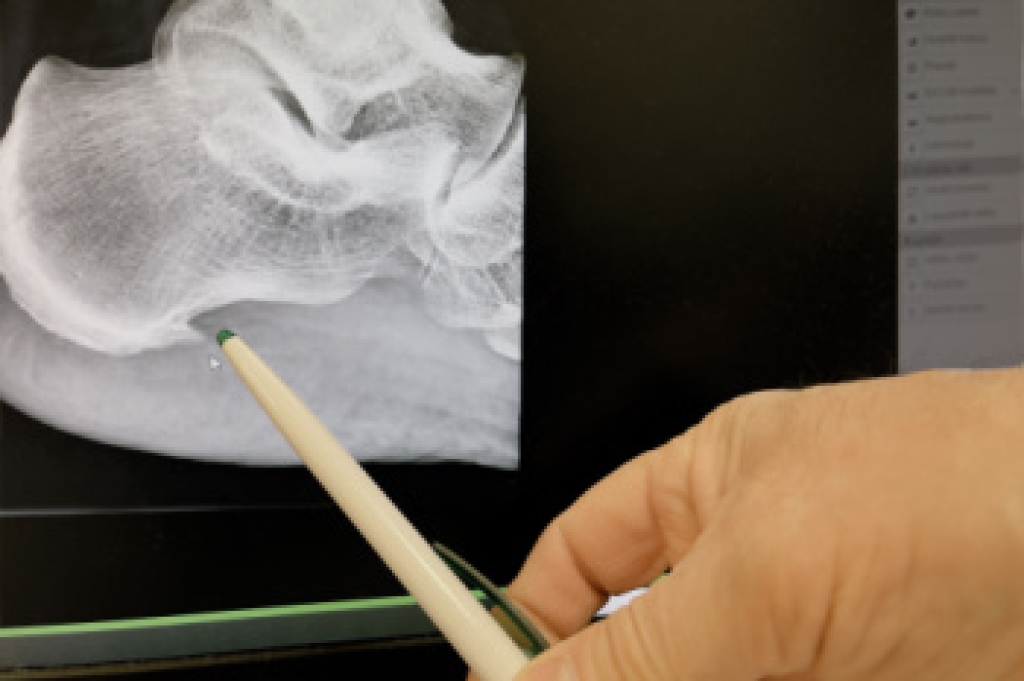
A heel spur is a small, bony growth that can develop on the heel bone. A plantar heel spur forms beneath the heel, while a posterior heel spur develops near the back of the heel. These growths can occur when repeated stress causes changes where soft tissue attaches to bone. Heel spurs may be found during an X-ray even when they cause no symptoms. When symptoms do occur, people may notice heel pain, tenderness, or discomfort while standing or walking.
Heel spurs are often associated with long-term strain on the foot. Risk factors include repetitive activity, excess pressure on the feet, and certain foot structures. Wearing unsupportive shoes can also increase stress around the heel. Flat feet and high arches may change how pressure moves through the foot. Previous foot injuries can contribute as well. Although a heel spur can look like a small pointed projection on an X-ray, its appearance does not always explain the amount of pain a person experiences.
Symptoms can vary depending on where the heel spur develops and what structures surround it. A plantar heel spur may be linked with pain beneath the heel, especially after periods of rest. A posterior heel spur may cause discomfort where the Achilles tendon meets the heel. Swelling or tenderness can develop around irritated tissue. A podiatrist will review your symptoms and examine your foot. X-rays may help identify a spur and evaluate the surrounding bone structure.
Treatment focuses on reducing pressure and addressing the source of irritation. A podiatrist may recommend wearing supportive footwear, custom or activity changes based on your needs. Medication may help manage discomfort when appropriate. The foot can then be monitored as symptoms improve. Surgery is generally considered only when persistent pain does not respond to conservative care. If you have heel pain, it is strongly suggested that you consult a podiatrist who can accurately diagnose and treat heel spurs.
Heel spurs can be incredibly painful and sometimes may make you unable to participate in physical activities. To get medical care for your heel spurs, contact Dr. Scott Shrem from Garden State Foot & Ankle Center. Our doctor will do everything possible to treat your condition.
Heels Spurs
Heel spurs are formed by calcium deposits on the back of the foot where the heel is. This can also be caused by small fragments of bone breaking off one section of the foot, attaching onto the back of the foot. Heel spurs can also be bone growth on the back of the foot and may grow in the direction of the arch of the foot.
Older individuals usually suffer from heel spurs and pain sometimes intensifies with age. One of the main condition's spurs are related to is plantar fasciitis.
Pain
The pain associated with spurs is often because of weight placed on the feet. When someone is walking, their entire weight is concentrated on the feet. Bone spurs then have the tendency to affect other bones and tissues around the foot. As the pain continues, the feet will become tender and sensitive over time.
Treatments
There are many ways to treat heel spurs. If one is suffering from heel spurs in conjunction with pain, there are several methods for healing. Medication, surgery, and herbal care are some options.
If you have any questions, please feel free to contact our office located in Hazlet, NJ . We offer the newest diagnostic and treatment technologies for all your foot care needs.