


Monday, 07 January 2019 00:00
Ingrown Toenails
An ingrown toenail is a nail that has curved downward and grown into the skin. This typically occurs at either the nail borders or the sides of the nail. As a result, pain, redness, swelling, and warmth may occur in the toe. If a break in the skin forms due to the ingrown nail, bacteria may enter and cause an infection in the area; this is typically characterized by a foul odor and drainage.
Ingrown toenails have multiple reasons for developing. In many instances, the condition is a result of genetics and is inherited. The most common cause, however, is improper trimming; cutting the toenails too short forces the skin beside the nail to fold over. An ingrown toenail can also develop due to trauma, such as stubbing the toe, having an object fall on the toe, or participating in activities that involve repeated kicking or running. Wearing shoes that are too tight or too short can also cause ingrown toenails.
Treatment for an ingrown toenail varies between patients and the severity of the condition. In most cases, it is best to see your podiatrist for thorough and proper treatment. After examining your toe, your podiatrist may prescribe oral antibiotics to clear the infection if one is present. Surgical removal of either a portion of the nail or the entire nail may also be considered. In some cases, complete removal or destruction of the nail root may be required. Most patients who undergo nail surgery experience minimal pain afterward and can return to normal activity the following day.
Ingrown toenails can be prevented with proper nail trimming and by avoiding improper-fitting shoes. When cutting the toenails, be sure that you are cutting in a straight line and avoid cutting them too short. Shoes should not be too short or tight in the toe box.
Published in Featured
Tagged under
Wednesday, 02 January 2019 00:00
Dangers and Prevention of Falling
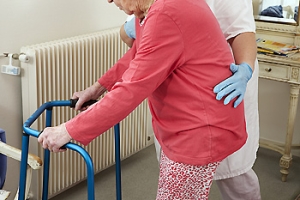
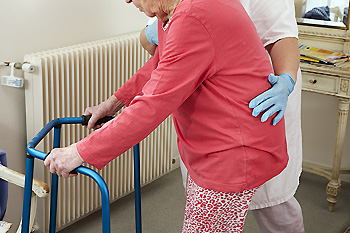 The act of falling is unnatural and has the potential to cause many types of serious injuries. Falling may be a result of tripping hazards, which may be prevented, including wet floors, or frayed carpets. Additionally, taking certain medications may cause mild confusion, and specific medical conditions may play a significant role, which may increase the chances of falling. These may include heart disease, thyroid dysfunction, or changes in blood pressure, which may affect balance. Research has shown there are several ways to protect yourself against the dangers of falling, including engaging in a daily exercise program, that may aid in keeping the muscles strong, in addition to having your eyesight and hearing routinely checked. Many people find it helpful to use canes or walkers while performing daily activities and find it advantageous to wear shoes that fully support their feet. If you would like additional information regarding ways to prevent falling, please consult with a podiatrist for proper guidance.
Preventing falls among the elderly is very important. If you are older and have fallen or fear that you are prone to falling, consult with Dr. Scott Shrem from Garden State Foot & Ankle Center. Our doctor will assess your condition and provide you with quality advice and care.
Every 11 seconds, an elderly American is being treated in an emergency room for a fall related injury. Falls are the leading cause of head and hip injuries for those 65 and older. Due to decreases in strength, balance, senses, and lack of awareness, elderly persons are very susceptible to falling. Thankfully, there are a number of things older persons can do to prevent falls.
How to Prevent Falls
Some effective methods that older persons can do to prevent falls include:
- Enrolling in strength and balance exercise program to increase balance and strength
- Periodically having your sight and hearing checked
- Discuss any medications you have with a doctor to see if it increases the risk of falling
- Clearing the house of falling hazards and installing devices like grab bars and railings
- Utilizing a walker or cane
- Wearing shoes that provide good support and cushioning
- Talking to family members about falling and increasing awareness
Falling can be a traumatic and embarrassing experience for elderly persons; this can make them less willing to leave the house, and less willing to talk to someone about their fears of falling. Doing such things, however, will increase the likelihood of tripping or losing one’s balance. Knowing the causes of falling and how to prevent them is the best way to mitigate the risk of serious injury.
If you have any questions, please feel free to contact our office located in Hazlet, NJ . We offer the newest diagnostic and treatment technologies for all your foot care needs.
Published in Blog
Tagged under
Wednesday, 02 January 2019 00:00
Falls Prevention
Elderly Americans are very susceptible to falls as they get older. Everyone experiences decreases in flexibility, balance, strength, and the senses as they age. This correlates to some eye-opening statistics. 1 in 4 Americans aged 65 and older fall each year. An elderly American is being treated for a fall in an emergency room every 11 seconds. In light of these striking statistics, one can see the importance of taking steps to prevent falls.
Finding an exercise program for the elderly is an excellent way to reduce the likelihood of falls. Look for an exercise program that improves strength and balance. Elderly people who live a more sedentary lifestyle, with little physical activity, are at an increased risk of falling. Wearing well-fitted footwear that provides good foot support and cushion will help prevent falls from poorly fitted shoes. Talking to a podiatrist about your susceptibility to falls and about inspecting your prescriptions will help to avoid any medication that could make falls more likely. Due to a decline in the senses among the elderly, having your eyes and hearing checked is recommended.
Around half of all falls occur in the household. Removing tripping hazards in the home and making it more accommodating to older persons can significantly reduce falls. Some notable household changes include increasing lighting around the house, installing grab bars in the shower and bathroom, and making sure the floor is clear of clutter. Other smart options include installing a shower chair, using rubber-bottomed rugs, and placing railings on both sides of stairwells.
Finally, discuss with a doctor and your family about your fear of falling. This will help to increase awareness among the population on the need for fall prevention. A lack of awareness on the matter, and a downplaying of importance are what increase the risks of falling. Following these tips can help to reduce the risk for yourself and your loved ones.
Published in Featured
Tagged under
Wednesday, 26 December 2018 00:00
Is Foot Therapy Effective?
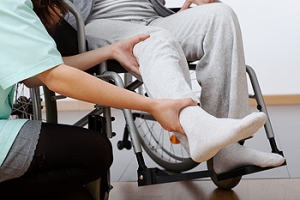
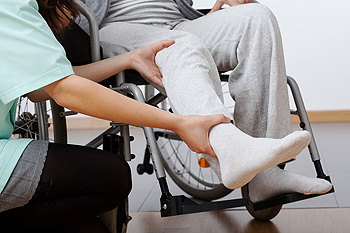 Many people have experienced foot and ankle injuries and may be familiar with physical therapy as a form of positive foot therapy. It may contribute in providing the desired relief, which may be needed from uncomfortable foot conditions that may include plantar fasciitis or foot and ankle fractures. This type of therapy may be conducive in restoring joint mobility, much needed muscle strength, in addition to improvements in walking. These types of injuries may originate from overuse of the muscles and tendons in the feet and ankles. Additionally, foot therapy may be useful in recovering from foot or ankle surgery. If you have endured a serious injury to your foot, ankle, or surrounding areas, it is advised to seek the counsel of a podiatrist who can recommend the best form of therapy for you.
Foot therapy is often necessary for those recovering from either foot deformities or foot injuries. If you have concerns regarding therapy, consult with Dr. Scott Shrem from Garden State Foot & Ankle Center. Our doctor can provide the care you need to keep you pain-free and on your feet.
Most Common Injuries
People who are active or athletes are prone to a variety of injuries. Therefore, it is often important to take part in physical therapy in order to quickly get back on the right track.
What to Do When Injured
Physical Therapy – This specialized treatment will focus on the affected area, speeding up recovery and the overall healing process. It is a proven method that has helped millions of people return from any injury.
During physical therapy you will undergo regimented training to get back into full form. Training is often very difficult, especially at first when the foot feels weak. Physical therapy often involves:
Basic stretching and twisting exercises – getting the feet’s mobility and flexibility up.
Massaging – the therapist will massage the injured area in order to activate the muscles and relax them.
Strengthening Exercises – this allows the muscles in the affected area to regain their full strength, a vital step towards full recovery.
If you have any questions, please feel free to contact our office located in Hazlet, NJ . We offer the newest diagnostic and treatment technologies for all your foot care needs.
Published in Blog
Tagged under
Wednesday, 26 December 2018 00:00
Foot Therapy for Sports Injuries
Foot Therapy for Sports Injuries
Athletes are used to engaging in high-intensity workouts. Consequently, athletes are at an increased risk for enduring foot or ankle injuries. The most common way to treat these types of injuries is the RICE method (Rest, Ice, Compression, and Elevation). However, braces and casts may be required in some cases. If you are suffering from any of these injuries, it is best that you seek help from your podiatrist right away.
Achilles Tendinitis
Achilles tendinitis is a type of overuse injury of the Achilles tendon, which is the tendon connecting the calf muscles to the heel. This type of injury commonly occurs in runners who increase the intensity of their workouts. Symptoms for this condition start off as a mild ache in the back leg or above the heel. Some people experience tenderness around the area in the morning, however this feeling tends to improve over time. If you suspect you have Achilles tendinitis, you doctor may order an x-ray to show whether your Achilles tendon has calcified. Common treatment options for this condition include rest, ice, exercise, and non-steroidal anti-inflammatory medication.
Plantar Fasciitis
Plantar Fasciitis is a condition that is commonly found in women. It is a painful condition that occurs when the bands of tissue that connect the heel to the toes become inflamed. Symptoms for plantar fasciitis are heel pain that worsens in the morning and improves throughout the day with activity. Your podiatrist will diagnose plantar fasciitis by checking for tender areas on your foot. In rare cases, an x-ray may be required for a more thorough examination. There are various treatment options that may be used to help someone with this ailment. Depending on the specific case, some of these options include: physical therapy, shockwave therapy, and in rare cases, surgery.
Stress Fractures
Stress fractures are tiny cracks in the bone that occur due to repetitive force. These fractures are typically the result of overuse injuries such as repeatedly running and jumping. Symptoms of a stress fracture include pain when exercising, tenderness, and mild swelling. To diagnose a stress fracture, your doctor will likely ask you a series of questions about your overall health and the activities you are involved in. Next, an x-ray will likely be performed to check for the fracture. In some cases, fractures don’t appear on x-rays until weeks afterward. In these cases, an MRI or a bone scan may be required. Typical stress fractures may be treated by resting the area and taking a break from highly intense activities.
Ankle Sprain
Ankle sprains occur when the ligaments that support the ankle are stretched far beyond their limits. These injuries occur when you roll, twist, or turn your ankle in an awkward way. Ligaments are essential in helping us move around because they are responsible for stabilizing the joints. Usually, sprained ankles occur due to ligaments on the outer part of the ankle becoming stretched. Symptoms of ankle sprains are swelling, bruising, instability of the ankle, and restricted range of motion. Normally, when people sprain their ankle, they will hear a popping sound during the injury. Depending on the severity, ankle sprains are graded based on how much damage has occurred to the ligaments. Grade 1 is mild, grade 2 is moderate, and grade 3 is severe.
Published in Featured
Tagged under
Monday, 17 December 2018 00:00
Athlete's Foot Is Contagious
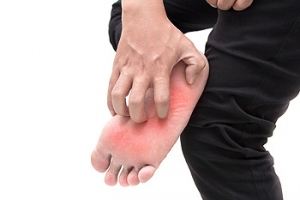
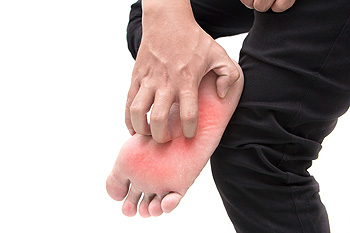 The medical name for Athlete’s foot is referred to as tinea pedis. This common fungal infection that attacks the skin on the feet may typically affect a large percentage of people who will develop this at some point in their lives. This fungus can enter the body through tiny cracks in the skin. It is generally found in public pools and surrounding areas, locker rooms, or contaminated surfaces. Patients who experience this contagious skin condition may often notice itchy and red skin between the toes or on the sole of the foot, blisters, or in severe cases, cracked skin may develop. There may be several ways to prevent this condition from developing, including washing and drying the feet regularly, avoiding the sharing of shoes and towels, and failing to alternate shoes. If you feel you have Athlete’s foot, it is suggested to speak to a podiatrist who can offer proper treatment options for you.
Athlete’s foot is an inconvenient condition that can be easily reduced with the proper treatment. If you have any concerns about your feet and ankles, contact Dr. Scott Shrem from Garden State Foot & Ankle Center. Our doctor will treat your foot and ankle needs.
Athlete’s Foot: The Sole Story
Athlete's foot, also known as tinea pedis, can be an extremely contagious foot infection. It is commonly contracted in public changing areas and bathrooms, dormitory style living quarters, around locker rooms and public swimming pools, or anywhere your feet often come into contact with other people.
Solutions to Combat Athlete’s Foot
- Hydrate your feet by using lotion
- Exfoliate
- Buff off nails
- Use of anti-fungal products
- Examine your feet and visit your doctor if any suspicious blisters or cuts develop
Athlete’s foot can cause many irritating symptoms such as dry and flaking skin, itching, and redness. Some more severe symptoms can include bleeding and cracked skin, intense itching and burning, and even pain when walking. In the worst cases, Athlete’s foot can cause blistering as well. Speak to your podiatrist for a better understanding of the different causes of Athlete’s foot, as well as help in determining which treatment options are best for you.
If you have any questions please feel free to contact our office located in Hazlet, NJ . We offer the newest diagnostic and treatment technologies for all your foot and ankle needs.
Published in Blog
Tagged under
Monday, 17 December 2018 00:00
Athlete's Foot
Athlete’s foot is an extremely contagious infection caused by a fungus that results in itching, burning, dry, and flaking feet. The fungus that causes athlete’s foot is known as tinea pedis and thrives in moist, dark areas such as shower floors, gyms, socks and shoes, commons areas, public changing areas, bathrooms, dormitory style houses, locker rooms, and public swimming pools. Athlete’s foot is difficult to treat as well because of the highly contagious and recurrent nature of the fungus.
Tinea is the same fungus that causes ringworm, and is spread by direct contact with an infected body part, contaminated clothing, or by touching other objects and body parts that have been exposed to the fungus. Because the feet are an ideal place for tinea to grow and spread, this is the most commonly affected area. It is, however, known to grow in other places. The term athlete’s foot describes tinea that grows strictly on the feet.
The most commonly infected body parts are the hands, groin, and scalp, as well as the feet. Around 70% of the population suffer from tinea infections at some point in their lives, however not all of these cases are athlete’s foot. Just like any other ailment, some people are more likely to get it than others, such as people with a history of tinea infections or other skin infections, both recurring and non-recurring ones. The extent to which a person experiences regrowth and recurrent tinea infections varies from person to person.
Sometimes people will not even know that they are infected with tinea or that they have athlete’s foot because of a lack of symptoms. However, most experience mild to moderate flaking, itching, redness, and burning. However, some of the more severe symptoms include cracking and bleeding skin, intense itching and burning, pain while walking or standing, and even blistering.
Because of the recurring nature of the tinea fungus and the athlete’s foot it causes, the best way to treat this condition is with prevention. You can take some preventative measures such as wearing flip flops or sandals in locker rooms and public showers to reduce contact with the floor. It also helps to keep clean, dry feet while allowing them to breathe. Using powders to keep your feet dry is a good idea, as well as keeping your feet exposed to light and cool air, to prevent the growth of tinea. If you do happen to get athlete’s foot, opt for using topical medicated creams, ointments or sprays. These treatments help eliminate and prevent it from coming back.
Published in Featured
Tagged under
Monday, 10 December 2018 00:00
Simple Steps to Implement Proper Foot Care
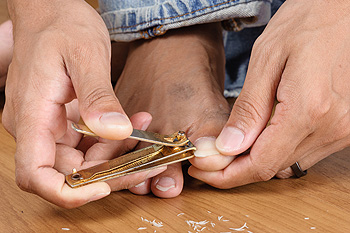 The importance of implementing daily foot care may be crucial to the overall health of the body. It may be easy to overlook the simple care the feet desire when poorly fitting shoes are worn, in addition to the feet possibly being enveloped in tight and sweaty socks for most of the day. The feet endure the weight from the entire body and may become injured as a result of the impact from daily walking. Research has shown the feet will generally feel better when they are washed and dried daily, followed by utilizing a good moisturizer, especially in the winter months. Shoes that are chosen should feel comfortable when they are initially tried on and shoes that do not have adequate arch support should be avoided. Additionally, there are conditions that may affect your feet, including diabetes, pregnancy, and the aging process and it is beneficial to consult with a podiatrist to discuss the changes in foot structure that may occur.
Everyday foot care is very important to prevent infection and other foot ailments. If you need your feet checked, contact Dr. Scott Shrem from Garden State Foot & Ankle Center. Our doctor can provide the care you need to keep you pain-free and on your feet.
Everyday Foot Care
Often, people take care of their bodies, face and hair more so than they do for their feet. But the feet are a very important aspect of our bodies, and one that we should pay more attention to. Without our feet, we would not be able to perform most daily tasks.
It is best to check your feet regularly to make sure there are no new bruises or cuts that you may not have noticed before. For dry feet, moisturizer can easily be a remedy and can be applied as often as necessary to the affected areas. Wearing shoes that fit well can also help you maintain good foot health, as well as making it easier to walk and do daily activities without the stress or pain of ill-fitting shoes, high heels, or even flip flops. Wearing clean socks with closed shoes is important to ensure that sweat and bacteria do not accumulate within the shoe. Clean socks help to prevent Athlete’s foot, fungi problems, bad odors, and can absorb sweat.
If you have any questions, please feel free to contact our office located in Hazlet, NJ . We offer the newest diagnostic and treatment technologies for all your foot care needs.
Published in Blog
Tagged under
Monday, 10 December 2018 00:00
Every Day Foot Care
Our feet are important in our everyday lives. The problem is that we tend to neglect them. When this becomes a habit, it can cause significant trouble. Ignoring foot problems can mean pain, limited mobility, and expensive doctor's visits. On the other hand, if feet are cared for and looked after regularly, they will perform without pain or complication.
Routine hygiene is the most basic way to care for the feet. Wash and dry them thoroughly daily. Remember to get between the toes and keep the toenails trimmed and short. If the feet feel dry or there are signs of dryness or cracking, use a moisturizer designed for the feet.
When using moisturizer on the feet, try to avoid applying between the toes. If cream or lotion sits too long, they can cause fungal and bacterial growth. When moisturizer is used between the toes, it can also cause the skin to soften too much.
Shoes are also an important aspect of foot care. When one is picking out shoes, make sure they are the correct size. Shoes need to be snug, but not too tight. On the other hand, if shoes are too loose they can cause foot problems as well. It is highly recommended that shopping for new shoes be done later in the day. The reason for this is that the feet will have settled and swelled to their full size by then. To keep your feet at their most healthy, avoid wearing high heels or flip flops too often. Instead, choose shoes that are good for your feet. Good shoes pad the soles of your feet and support the arches and ankles.
Socks should also be worn daily with closed-toe shoes. They may feel hot during the summer months, but they absorb sweat and moisture off the feet. Without socks, the build-up of sweat in a closed-toe shoe can cause fungal problems and athlete's foot.
The best thing to remember in every day foot care is that shoes do make a difference. If you spend a lot of time on your feet, make sure that your shoes show no signs of wear. Shoes should offer ample support for the arches and the overall foot. Additionally, try to make foot cleaning and maintenance a daily habit. If you keep these things in mind, your feet will stay healthy and safe.
Published in Featured
Tagged under
Monday, 03 December 2018 00:00
Are Plantar Warts Contagious?
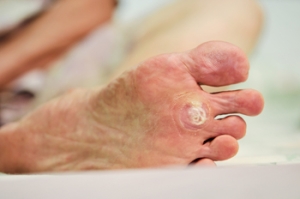
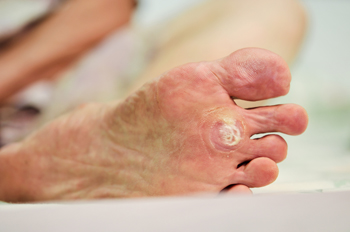 A painful and uncomfortable condition that is known as plantar warts will typically affect the heel of the foot. It appears as a small, thickened area with tiny black dots in the center, and may generally cause severe pain while walking. Most warts extend outward from the skin, but this wart grows inward as a result of the pressure the heel endures from walking for most of the day. Plantar warts are known to be caused by the human papillomavirus (HPV) and is extremely contagious. This type of virus thrives in warm and moist places, often including pools, locker rooms, and surrounding areas. Research has shown that it may enter the body through tiny cracks in the skin of the heel area. Measures can be implemented that may prevent this virus from attacking the body, which may include wearing appropriate shoes in public shower areas, and avoid sharing towels, shoes, or socks. If you feel you have developed this ailment, it is suggested to speak with a podiatrist to discuss proper treatment options.
Plantar warts can be very uncomfortable. If you need your feet checked, contact Dr. Scott Shrem from Garden State Foot & Ankle Center. Our doctor will assist you with all of your foot and ankle needs.
About Plantar Warts
Plantar warts are the result of HPV, or human papillomavirus, getting into open wounds on the feet. They are mostly found on the heels or balls of the feet.
While plantar warts are generally harmless, those experiencing excessive pain or those suffering from diabetes or a compromised immune system require immediate medical care. Plantar warts are easily diagnosed, usually through scraping off a bit of rough skin or by getting a biopsy.
Symptoms
- Lesions on the bottom of your feet, usually rough and grainy
- Hard or thick callused spots
- Wart seeds, which are small clotted blood vessels that look like little black spots
- Pain, discomfort, or tenderness of your feet when walking or standing
Treatment
- Freezing
- Electric tool removal
- Laser Treatment
- Topical Creams (prescription only)
- Over-the-counter medications
To help prevent developing plantar warts, avoid walking barefoot over abrasive surfaces that can cause cuts or wounds for HPV to get into. Avoiding direct contact with other warts, as well as not picking or rubbing existing warts, can help prevent the further spread of plantar warts. However, if you think you have developed plantar warts, speak to your podiatrist. He or she can diagnose the warts on your feet and recommend the appropriate treatment options.
If you have any questions, please feel free to contact our office located in Hazlet, NJ . We offer the newest diagnostic and treatment technologies for all your foot care needs.
Published in Blog
Tagged under
Blog Archives
- May 2026
- April 2026
- March 2026
- February 2026
- January 2026
- December 2025
- November 2025
- October 2025
- September 2025
- August 2025
- July 2025
- June 2025
- May 2025
- April 2025
- March 2025
- February 2025
- January 2025
- December 2024
- November 2024
- October 2024
- September 2024
- August 2024
- July 2024
- June 2024
- May 2024
- April 2024
- March 2024
- February 2024
- January 2024
- December 2023
- November 2023
- October 2023
- September 2023
- August 2023
- July 2023
- June 2023
- May 2023
- April 2023
- March 2023
- February 2023
- January 2023
- December 2022
- November 2022
- October 2022
- September 2022
- August 2022
- July 2022
- June 2022
- May 2022
- April 2022
- March 2022
- February 2022
- January 2022
- December 2021
- November 2021
- October 2021
- September 2021
- August 2021
- July 2021
- June 2021
- May 2021
- April 2021
- March 2021
- February 2021
- January 2021
- December 2020
- November 2020
- October 2020
- September 2020
- August 2020
- July 2020
- June 2020
- May 2020
- April 2020
- March 2020
- February 2020
- January 2020
- December 2019
- November 2019
- October 2019
- September 2019
- August 2019
- July 2019
- June 2019
- May 2019
- April 2019
- March 2019
- February 2019
- January 2019
- December 2018
- November 2018
- October 2018
- September 2018
- August 2018
- July 2018
- June 2018
- May 2018
- April 2018
- March 2018