


July 2025
Tuesday, 29 July 2025 00:00
Understanding Plantar Heel Pain
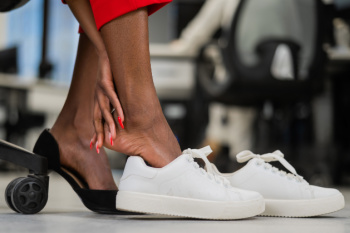
Plantar heel pain affects people of all ages, although it tends to occur more often in adults. This type of pain typically develops under the heel and may feel sharp or aching, often worsening with the first steps in the morning or after long periods of rest. Several factors can increase your chances of developing plantar heel pain, including excess weight, health conditions like high blood pressure, or simply the natural aging process. Women may experience plantar heel pain more frequently than men, possibly due to differences in foot structure or footwear habits. Conditions like osteoporosis may also play a role, especially for women. Ignoring heel pain can lead to chronic discomfort and limit your ability to stay active. If you are experiencing ongoing pain in your heel, it is suggested you visit a podiatrist for a proper diagnosis and personalized treatment recommendations.
Many people suffer from bouts of heel pain. For more information, contact Dr. Scott Shrem of Garden State Foot & Ankle Center. Our doctor can provide the care you need to keep you pain-free and on your feet.
Causes of Heel Pain
Heel pain is often associated with plantar fasciitis. The plantar fascia is a band of tissues that extends along the bottom of the foot. A rip or tear in this ligament can cause inflammation of the tissue.
Achilles tendonitis is another cause of heel pain. Inflammation of the Achilles tendon will cause pain from fractures and muscle tearing. Lack of flexibility is also another symptom.
Heel spurs are another cause of pain. When the tissues of the plantar fascia undergo a great deal of stress, it can lead to ligament separation from the heel bone, causing heel spurs.
Why Might Heel Pain Occur?
- Wearing ill-fitting shoes
- Wearing non-supportive shoes
- Weight change
- Excessive running
Treatments
Heel pain should be treated as soon as possible for immediate results. Keeping your feet in a stress-free environment will help. If you suffer from Achilles tendonitis or plantar fasciitis, applying ice will reduce the swelling. Stretching before an exercise like running will help the muscles. Using all these tips will help make heel pain a condition of the past.
If you have any questions, please feel free to contact our office located in Hazlet, NJ . We offer the newest diagnostic and treatment technologies for all your foot care needs.
Tuesday, 22 July 2025 00:00
Surgery for Ingrown Toenails
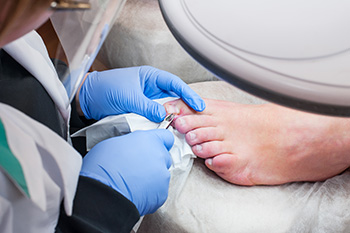
Surgery for ingrown toenails may be recommended when pain, swelling, or infection surrounding the nail does not improve or recurs frequently. An ingrown toenail develops when the edge of the nail grows into the surrounding skin, most often affecting the big toe. Causes include improper nail trimming, toe injuries, or pressure from wearing tight shoes. When conservative care fails or the condition is worsened by diabetes or circulation problems, a podiatrist may suggest surgery to remove part or all of the ingrown toenail. After numbing the toe, the ingrown section is trimmed away, and, in some cases, the nail matrix is treated with a chemical or heated device to prevent regrowth. This helps relieve pressure and reduces the chance of the nail growing inward again. Although regrowth can take months, the procedure is generally effective. If you have a problematic ingrown toenail, it is suggested that you schedule an appointment with a podiatrist for an exam and appropriate treatment plan.
Foot surgery is sometimes necessary to treat a foot ailment. To learn more, contact Dr. Scott Shrem of Garden State Foot & Ankle Center. Our doctor will assist you with all of your foot and ankle needs.
When Is Surgery Necessary?
Foot and ankle surgery is generally reserved for cases in which less invasive, conservative procedures have failed to alleviate the problem. Some of the cases in which surgery may be necessary include:
- Removing foot deformities like bunions and bone spurs
- Severe arthritis that has caused bone issues
- Cosmetic reconstruction
What Types of Surgery Are There?
The type of surgery you receive will depend on the nature of the problem you have. Some of the possible surgeries include:
- Bunionectomy for painful bunions
- Surgical fusion for realignment of bones
- Neuropathy decompression surgery to treat nerve damage
Benefits of Surgery
Although surgery is usually a last resort, it can provide more complete pain relief compared to non-surgical methods and may allow you to finally resume full activity.
Surgical techniques have also become increasingly sophisticated. Techniques like endoscopic surgery allow for smaller incisions and faster recovery times.
If you have any questions, please feel free to contact our office located in Hazlet, NJ . We offer the newest diagnostic and treatment technologies for all your foot care needs.
Tuesday, 15 July 2025 00:00
Understanding Foot Neuropathy and the Role of a Podiatrist
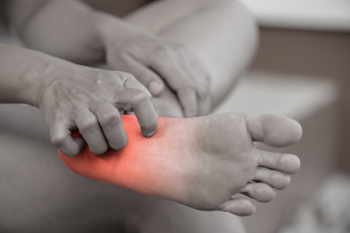
Foot neuropathy involves damage to the nerves in the feet, often leading to numbness, tingling, burning sensations, or sharp pain. It can also cause weakness or loss of coordination, making walking difficult. Common causes include diabetes, alcohol abuse, vitamin deficiencies, infections, or certain medications. Risk factors include poor circulation, prolonged high blood sugar, and a history of nerve disorders. A podiatrist can help by identifying the underlying cause, providing testing, and recommending treatments such as proper footwear, custom orthotics, and nerve support therapy. If you are experiencing unusual sensations or discomfort in your feet, it is suggested that you visit a podiatrist for an early diagnosis and appropriate treatment options.
Neuropathy
Neuropathy can be a potentially serious condition, especially if it is left undiagnosed. If you have any concerns that you may be experiencing nerve loss in your feet, consult with Dr. Scott Shrem from Garden State Foot & Ankle Center. Our doctor will assess your condition and provide you with quality foot and ankle treatment for neuropathy.
What Is Neuropathy?
Neuropathy is a condition that leads to damage to the nerves in the body. Peripheral neuropathy, or neuropathy that affects your peripheral nervous system, usually occurs in the feet. Neuropathy can be triggered by a number of different causes. Such causes include diabetes, infections, cancers, disorders, and toxic substances.
Symptoms of Neuropathy Include:
- Numbness
- Sensation loss
- Prickling and tingling sensations
- Throbbing, freezing, burning pains
- Muscle weakness
Those with diabetes are at serious risk due to being unable to feel an ulcer on their feet. Diabetics usually also suffer from poor blood circulation. This can lead to the wound not healing, infections occurring, and the limb may have to be amputated.
Treatment
To treat neuropathy in the foot, podiatrists will first diagnose the cause of the neuropathy. Figuring out the underlying cause of the neuropathy will allow the podiatrist to prescribe the best treatment, whether it be caused by diabetes, toxic substance exposure, infection, etc. If the nerve has not died, then it’s possible that sensation may be able to return to the foot.
Pain medication may be issued for pain. Electrical nerve stimulation can be used to stimulate nerves. If the neuropathy is caused from pressure on the nerves, then surgery may be necessary.
If you have any questions, please feel free to contact our office located in Hazlet, NJ . We offer the newest diagnostic and treatment technologies for all your foot care needs.
Friday, 11 July 2025 00:00
Gout Pain Can Be Managed

Gout is a painful, inflammatory form of arthritis. Those affected will typically feel an intense stiffness in the joints of their feet, particularly in the big toe. Schedule a visit to learn about how gout can be managed and treated.
Tuesday, 08 July 2025 00:00
Toenail Fungus in Older Adults
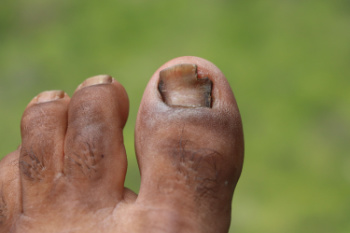
Fungal infections in the toenails are common among older individuals and can lead to thickened, discolored, or brittle nails. Aging feet often have reduced circulation, slower nail growth, and a higher chance of minor injuries, all of which make it easier for fungus to take hold. Warm, moist environments, such as inside shoes, also allow the infection to grow. While it may begin as a cosmetic issue, untreated fungus can cause discomfort, spread to other nails, or lead to more serious problems for those with weakened immune systems. Keeping feet clean and dry, trimming nails carefully, and wearing breathable footwear are simple but important steps. Mild treatments may not always work, and the infection can be stubborn. For persistent or painful nail changes that do not improve with home care, it is suggested that you consult a podiatrist to determine the best course of action.
If left untreated, toenail fungus may spread to other toenails, skin, or even fingernails. If you suspect you have toenail fungus it is important to seek treatment right away. For more information about treatment, contact Dr. Scott Shrem of Garden State Foot & Ankle Center. Our doctor can provide the care you need to keep you pain-free and on your feet.
Symptoms
- Warped or oddly shaped nails
- Yellowish nails
- Loose/separated nail
- Buildup of bits and pieces of nail fragments under the nail
- Brittle, broken, thickened nail
Treatment
If self-care strategies and over-the-counter medications does not help your fungus, your podiatrist may give you a prescription drug instead. Even if you find relief from your toenail fungus symptoms, you may experience a repeat infection in the future.
Prevention
In order to prevent getting toenail fungus in the future, you should always make sure to wash your feet with soap and water. After washing, it is important to dry your feet thoroughly especially in between the toes. When trimming your toenails, be sure to trim straight across instead of in a rounded shape. It is crucial not to cover up discolored nails with nail polish because that will prevent your nail from being able to “breathe”.
In some cases, surgical procedure may be needed to remove the toenail fungus. Consult with your podiatrist about the best treatment options for your case of toenail fungus.
If you have any questions please contact our office located in Hazlet, NJ . We offer the newest diagnostic and treatment technologies for all your foot and ankle needs.
Tuesday, 01 July 2025 00:00
What to Know About Treating Ingrown Toenails
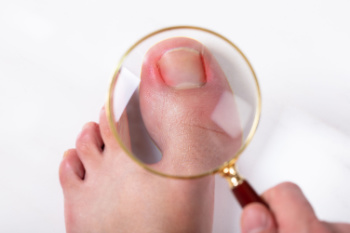
Ingrown toenails are a common problem, especially among teenagers and young adults. They can make it painful to walk, wear shoes, or go about daily routines. Mild cases can often be managed with gentle, non-surgical care such as taping the skin away from the nail, placing soft material under the edge of the nail, or using special braces that guide the nail to grow properly. These methods may bring relief when used early and with proper technique. In more serious cases, where the nail continues to grow into the skin or becomes infected, minor surgery may be needed. A widely used and reliable approach involves treating the side of the nail root so the problem does not return. If you have a painful, swollen toenail that does not improve, it is suggested that you schedule an appointment with a podiatrist for a diagnosis and appropriate treatment.
Ingrown toenails can become painful if they are not treated properly. For more information about ingrown toenails, contact Dr. Scott Shrem of Garden State Foot & Ankle Center. Our doctor can provide the care you need to keep you pain-free and on your feet.
Ingrown Toenails
Ingrown toenails occur when a toenail grows sideways into the bed of the nail, causing pain, swelling, and possibly infection.
Causes
- Bacterial infections
- Improper nail cutting such as cutting it too short or not straight across
- Trauma to the toe, such as stubbing, which causes the nail to grow back irregularly
- Ill-fitting shoes that bunch the toes too close together
- Genetic predisposition
Prevention
Wearing proper fitting shoes and using proper cutting techniques will also help decrease your risk of developing ingrown toenails.
Treatment
Ingrown toenails are a very treatable foot condition. In minor cases, soaking the affected area in salt or antibacterial soaps will not only help with the ingrown nail itself, but also help prevent any infections from occurring. In more severe cases, surgery is an option. In either case, speaking to your podiatrist about this condition will help you get a better understanding of specific treatment options that are right for you.
If you have any questions, please feel free to contact our office located in Hazlet, NJ . We offer the newest diagnostic and treatment technologies for all your foot care needs.
Blog Archives
- April 2026
- March 2026
- February 2026
- January 2026
- December 2025
- November 2025
- October 2025
- September 2025
- August 2025
- July 2025
- June 2025
- May 2025
- April 2025
- March 2025
- February 2025
- January 2025
- December 2024
- November 2024
- October 2024
- September 2024
- August 2024
- July 2024
- June 2024
- May 2024
- April 2024
- March 2024
- February 2024
- January 2024
- December 2023
- November 2023
- October 2023
- September 2023
- August 2023
- July 2023
- June 2023
- May 2023
- April 2023
- March 2023
- February 2023
- January 2023
- December 2022
- November 2022
- October 2022
- September 2022
- August 2022
- July 2022
- June 2022
- May 2022
- April 2022
- March 2022
- February 2022
- January 2022
- December 2021
- November 2021
- October 2021
- September 2021
- August 2021
- July 2021
- June 2021
- May 2021
- April 2021
- March 2021
- February 2021
- January 2021
- December 2020
- November 2020
- October 2020
- September 2020
- August 2020
- July 2020
- June 2020
- May 2020
- April 2020
- March 2020
- February 2020
- January 2020
- December 2019
- November 2019
- October 2019
- September 2019
- August 2019
- July 2019
- June 2019
- May 2019
- April 2019
- March 2019
- February 2019
- January 2019
- December 2018
- November 2018
- October 2018
- September 2018
- August 2018
- July 2018
- June 2018
- May 2018
- April 2018
- March 2018