


September 2025
Tuesday, 30 September 2025 00:00
What Are the Symptoms of PAD?
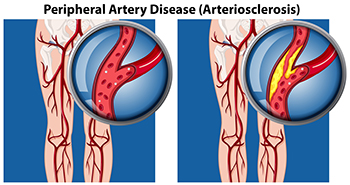 The condition that is referred to as peripheral artery disease (PAD) can cause poor circulation of the feet and various organs in the body. Common symptoms many patients experience can include numbing sensations in the feet, a loss of hair on the legs, and difficulty walking. It can occur as a result of arteries in the body that become narrow, which can gradually close. This can prevent necessary blood flow, and the feet may feel cold and turn blue. There are methods that can be implemented that may help to prevent PAD. These can include not smoking, incorporating a gentle exercise program into your daily routine, in addition to eating foods that are healthy. There may be existing medical conditions that can lead to PAD, including diabetes, obesity, or kidney disease. If you are experiencing numbing or tingling sensations in your feet, it is strongly suggested that you consult with a podiatrist who can properly diagnose and treat PAD.
Peripheral artery disease can pose a serious risk to your health. It can increase the risk of stroke and heart attack. If you have symptoms of peripheral artery disease, consult with Dr. Scott Shrem from Garden State Foot & Ankle Center. Our doctor will assess your condition and provide you with quality foot and ankle treatment.
Peripheral artery disease (PAD) is when arteries are constricted due to plaque (fatty deposits) build-up. This results in less blood flow to the legs and other extremities. The main cause of PAD is atherosclerosis, in which plaque builds up in the arteries.
Symptoms
Symptoms of PAD include:
- Claudication (leg pain from walking)
- Numbness in legs
- Decrease in growth of leg hair and toenails
- Paleness of the skin
- Erectile dysfunction
- Sores and wounds on legs and feet that won’t heal
- Coldness in one leg
It is important to note that a majority of individuals never show any symptoms of PAD.
Diagnosis
While PAD occurs in the legs and arteries, Podiatrists can diagnose PAD. Podiatrists utilize a test called an ankle-brachial index (ABI). An ABI test compares blood pressure in your arm to you ankle to see if any abnormality occurs. Ultrasound and imaging devices may also be used.
Treatment
Fortunately, lifestyle changes such as maintaining a healthy diet, exercising, managing cholesterol and blood sugar levels, and quitting smoking, can all treat PAD. Medications that prevent clots from occurring can be prescribed. Finally, in some cases, surgery may be recommended.
If you have any questions, please feel free to contact our office located in Hazlet, NJ . We offer the newest diagnostic and treatment technologies for all your foot care needs.
Tuesday, 23 September 2025 00:00
Risk Factors for Plantar Warts
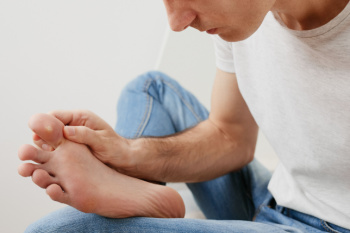
Plantar warts are small growths on the soles of the feet caused by the human papillomavirus entering through tiny cuts or breaks in the skin. They often develop in weight bearing areas like the heel or ball of the foot, making them painful when walking or standing. Risk factors include walking barefoot in public areas such as around pools, showers, and gyms, having weakened immunity, and repeated foot trauma. Symptoms include rough, grainy skin, hard calluses over a spot, and pain when pressure is applied. A podiatrist can provide effective treatments to remove warts and relieve discomfort. Plantar warts can cause tremendous pain, and it can be difficult to complete daily tasks. If you have this condition, it is suggested that you promptly schedule an appointment with a podiatrist who can offer effective relief and treatment solutions.
Plantar warts can be very uncomfortable. If you need your feet checked, contact Dr. Scott Shrem from Garden State Foot & Ankle Center. Our doctor will assist you with all of your foot and ankle needs.
About Plantar Warts
Plantar warts are the result of HPV, or human papillomavirus, getting into open wounds on the feet. They are mostly found on the heels or balls of the feet.
While plantar warts are generally harmless, those experiencing excessive pain or those suffering from diabetes or a compromised immune system require immediate medical care. Plantar warts are easily diagnosed, usually through scraping off a bit of rough skin or by getting a biopsy.
Symptoms
- Lesions on the bottom of your feet, usually rough and grainy
- Hard or thick callused spots
- Wart seeds, which are small clotted blood vessels that look like little black spots
- Pain, discomfort, or tenderness of your feet when walking or standing
Treatment
- Freezing
- Electric tool removal
- Laser Treatment
- Topical Creams (prescription only)
- Over-the-counter medications
To help prevent developing plantar warts, avoid walking barefoot over abrasive surfaces that can cause cuts or wounds for HPV to get into. Avoiding direct contact with other warts, as well as not picking or rubbing existing warts, can help prevent the further spread of plantar warts. However, if you think you have developed plantar warts, speak to your podiatrist. He or she can diagnose the warts on your feet and recommend the appropriate treatment options.
If you have any questions, please feel free to contact our office located in Hazlet, NJ . We offer the newest diagnostic and treatment technologies for all your foot care needs.
Tuesday, 16 September 2025 00:00
Fall Prevention Tips at Home
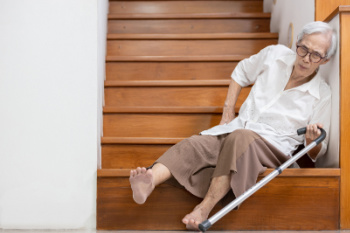
Falls in the home are a common cause of injuries, especially among older adults. Preventing falls begins with careful attention to stairs, ensuring they are well lit, free of clutter, and have secure handrails. Floors should be kept clear of loose rugs and obstacles, and non-slip mats can provide additional safety. Additionally, bedrooms should have easy access to lighting and organized pathways to reduce risk. Falls can lead to sprains, fractures, bruising, and long term mobility issues. If you have foot pain from falling, it is suggested that you consult a podiatrist who can treat various foot conditions, and guide you on additional fall prevention tips.
Preventing falls among the elderly is very important. If you are older and have fallen or fear that you are prone to falling, consult with Dr. Scott Shrem from Garden State Foot & Ankle Center. Our doctor will assess your condition and provide you with quality advice and care.
Every 11 seconds, an elderly American is being treated in an emergency room for a fall related injury. Falls are the leading cause of head and hip injuries for those 65 and older. Due to decreases in strength, balance, senses, and lack of awareness, elderly persons are very susceptible to falling. Thankfully, there are a number of things older persons can do to prevent falls.
How to Prevent Falls
Some effective methods that older persons can do to prevent falls include:
- Enrolling in strength and balance exercise program to increase balance and strength
- Periodically having your sight and hearing checked
- Discuss any medications you have with a doctor to see if it increases the risk of falling
- Clearing the house of falling hazards and installing devices like grab bars and railings
- Utilizing a walker or cane
- Wearing shoes that provide good support and cushioning
- Talking to family members about falling and increasing awareness
Falling can be a traumatic and embarrassing experience for elderly persons; this can make them less willing to leave the house, and less willing to talk to someone about their fears of falling. Doing such things, however, will increase the likelihood of tripping or losing one’s balance. Knowing the causes of falling and how to prevent them is the best way to mitigate the risk of serious injury.
If you have any questions, please feel free to contact our office located in Hazlet, NJ . We offer the newest diagnostic and treatment technologies for all your foot care needs.
Wednesday, 10 September 2025 00:00
Plantar Warts Can Be Treated!

Plantar warts are small growths that develop on parts of the feet that bear weight. They're typically found on the bottom of the foot. Don't live with plantar warts, and call us today!
Tuesday, 09 September 2025 00:00
When Toes Burn and What It Could Mean
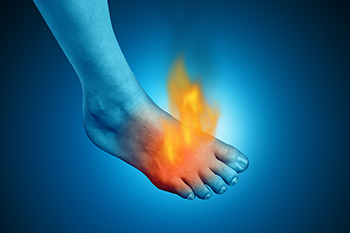
A burning sensation in the toes can feel alarming, especially when it lingers or worsens with activity. This symptom often points to nerve involvement, such as peripheral neuropathy, where the nerves become damaged and misfire signals of pain or heat. Diabetes is a common cause, but poor circulation, vitamin deficiencies, and certain medications may also contribute. Sometimes, footwear that is too tight or repetitive stress can trigger the feeling as well. Diagnosis begins with a careful medical history and exam to determine whether the source is nerve-related, circulatory, or mechanical. Additional tests may be needed to confirm the underlying cause. Treatment depends on the diagnosis and may include wearing better footwear, custom orthotics, targeted exercise, or medication to calm nerve irritation. Because burning toes may signal an underlying condition that requires attention, if you have this sensation, it is suggested that you consult a podiatrist for appropriate care.
Toe pain can disrupt your daily activities. If you have any concerns, contact Dr. Scott Shrem of Garden State Foot & Ankle Center. Our doctor can provide the care you need to keep you pain-free and on your feet.
What Causes Toe Pain?
Most severe toe pain is caused due to a sports injury, trauma from dropping something heavy on the toe, or bumping into something rigid. Other problems can develop over time for various reasons.
Toe pain can be caused by one or more ailments. The most common include:
- Trauma
- Sports injury
- Wearing shoes that are too tight
- Arthritis
- Gout
- Corns and calluses
- Hammertoe
- Bunions
- Blisters
- Ingrown toenails
- Sprains
- Fractures (broken bones)
- Dislocations
When to See a Podiatrist
- Severe pain
- Persistent pain that lasts more than a week
- Signs of infection
- Continued swelling
- Pain that prevents walking
Diagnosis
In many cases the cause of toe pain is obvious, but in others, a podiatrist may want to use more advanced methods to determine the problem. These can range from simple visual inspections and sensation tests to X-rays and MRI scans. Prior medical history, family medical history, and any recent physical traumatic events will all be taken into consideration for a proper diagnosis.
Treatment
Treatments for toe pain and injuries vary and may include shoe inserts, padding, taping, medicines, injections, and in some cases, surgery. If you believe that you have broken a toe, please see a podiatrist as soon as possible.
If you have any questions please contact our office located in Hazlet, NJ . We offer the newest diagnostic and treatment technologies for all your foot and ankle needs.
Tuesday, 02 September 2025 00:00
Dealing With Drop Foot

Drop foot, often called foot drop, is a condition where the foot cannot properly lift at the ankle, making it difficult to clear the ground while walking. This problem arises when the muscles at the front of the leg that control ankle motion become weak or lose function, or when the nerve supplying those muscles is damaged. People with drop foot may develop a high-stepping gait to avoid tripping, and without proper care, the ankle can stiffen into a downward pointing position. A podiatrist can evaluate the severity and underlying cause, and provide treatment to help restore mobility and function. Options include the use of an ankle-foot brace to keep the foot in a neutral position or surgery, such as tendon transfer or nerve repair, if the weakness is permanent. These treatments are designed to improve stability, walking ability, and reduce the risk of falls. If you have trouble lifting your feet when walking, it is suggested that you make an appointment with a podiatrist for treatment options.
If you have any concerns about your feet, contact Dr. Scott Shrem from Garden State Foot & Ankle Center. Our doctor can provide the care you need to keep you pain-free and on your feet.
Biomechanics in Podiatry
Podiatric biomechanics is a particular sector of specialty podiatry with licensed practitioners who are trained to diagnose and treat conditions affecting the foot, ankle and lower leg. Biomechanics deals with the forces that act against the body, causing an interference with the biological structures. It focuses on the movement of the ankle, the foot and the forces that interact with them.
A History of Biomechanics
- Biomechanics dates back to the BC era in Egypt where evidence of professional foot care has been recorded.
- In 1974, biomechanics gained a higher profile from the studies of Merton Root, who claimed that by changing or controlling the forces between the ankle and the foot, corrections or conditions could be implemented to gain strength and coordination in the area.
Modern technological improvements are based on past theories and therapeutic processes that provide a better understanding of podiatric concepts for biomechanics. Computers can provide accurate information about the forces and patterns of the feet and lower legs.
Understanding biomechanics of the feet can help improve and eliminate pain, stopping further stress to the foot.
If you have any questions please feel free to contact our office located in Hazlet, NJ . We offer the newest diagnostic and treatment technologies for all your foot and ankle needs.
Blog Archives
- April 2026
- March 2026
- February 2026
- January 2026
- December 2025
- November 2025
- October 2025
- September 2025
- August 2025
- July 2025
- June 2025
- May 2025
- April 2025
- March 2025
- February 2025
- January 2025
- December 2024
- November 2024
- October 2024
- September 2024
- August 2024
- July 2024
- June 2024
- May 2024
- April 2024
- March 2024
- February 2024
- January 2024
- December 2023
- November 2023
- October 2023
- September 2023
- August 2023
- July 2023
- June 2023
- May 2023
- April 2023
- March 2023
- February 2023
- January 2023
- December 2022
- November 2022
- October 2022
- September 2022
- August 2022
- July 2022
- June 2022
- May 2022
- April 2022
- March 2022
- February 2022
- January 2022
- December 2021
- November 2021
- October 2021
- September 2021
- August 2021
- July 2021
- June 2021
- May 2021
- April 2021
- March 2021
- February 2021
- January 2021
- December 2020
- November 2020
- October 2020
- September 2020
- August 2020
- July 2020
- June 2020
- May 2020
- April 2020
- March 2020
- February 2020
- January 2020
- December 2019
- November 2019
- October 2019
- September 2019
- August 2019
- July 2019
- June 2019
- May 2019
- April 2019
- March 2019
- February 2019
- January 2019
- December 2018
- November 2018
- October 2018
- September 2018
- August 2018
- July 2018
- June 2018
- May 2018
- April 2018
- March 2018