


October 2025
Tuesday, 28 October 2025 00:00
Ball of the Foot Pain Could Be Sesamoiditis
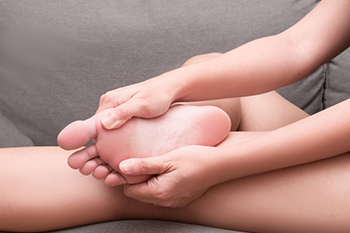
Sesamoiditis is a painful condition that affects the ball of the foot, specifically around the big toe joint, where two small bones called sesamoids are located. These bones act like pulleys to help the tendons move smoothly, but they can become irritated or inflamed due to overuse, repetitive pressure, or high-impact activities like running or dancing. Symptoms include a dull or sharp pain beneath the big toe, swelling, bruising, and difficulty bending or bearing weight on the toe. The area may feel tender to the touch and may worsen with certain shoes or prolonged activity. A podiatrist can diagnose sesamoiditis through a physical exam and imaging, such as X-rays or an MRI scans to rule out fractures. Treatment often includes custom orthotics, padding, anti-inflammatory medications, and footwear changes. In more severe cases, immobilization or injections may be necessary. It is suggested that you schedule an appointment with a podiatrist to address persistent foot pain.
Sesamoiditis is an unpleasant foot condition characterized by pain in the balls of the feet. If you think you’re struggling with sesamoiditis, contact Dr. Scott Shrem of Garden State Foot & Ankle Center. Our doctor will treat your condition thoroughly and effectively.
Sesamoiditis
Sesamoiditis is a condition of the foot that affects the ball of the foot. It is more common in younger people than it is in older people. It can also occur with people who have begun a new exercise program, since their bodies are adjusting to the new physical regimen. Pain may also be caused by the inflammation of tendons surrounding the bones. It is important to seek treatment in its early stages because if you ignore the pain, this condition can lead to more serious problems such as severe irritation and bone fractures.
Causes of Sesamoiditis
- Sudden increase in activity
- Increase in physically strenuous movement without a proper warm up or build up
- Foot structure: those who have smaller, bonier feet or those with a high arch may be more susceptible
Treatment for sesamoiditis is non-invasive and simple. Doctors may recommend a strict rest period where the patient forgoes most physical activity. This will help give the patient time to heal their feet through limited activity. For serious cases, it is best to speak with your doctor to determine a treatment option that will help your specific needs.
If you have any questions, please feel free to contact our office located in Hazlet, NJ . We offer the newest diagnostic and treatment technologies for all your foot care needs.
Tuesday, 21 October 2025 00:00
Building a Strong Foundation Through Children’s Foot Health
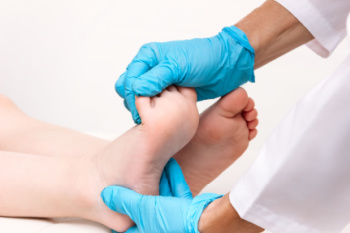
Healthy feet are essential for a child’s growth, balance, and overall development. Because children’s bones and muscles are still forming, even minor issues can affect posture, gait, and coordination, over time. Flat feet, in-toeing, or toe-walking are common concerns that often improve as a child grows, but persistent problems may signal the need for evaluation. Wearing supportive, properly fitted shoes plays an important role in protecting developing feet, allowing natural movement while offering stability. Regular foot checks help parents notice any changes in shape, alignment, or walking patterns early on. Encouraging barefoot play on safe surfaces also strengthens muscles and improves balance. A podiatrist can identify structural or developmental concerns and recommend age-appropriate treatment, if needed. It is suggested that you invest in your child’s foot health by scheduling an appointment with a podiatrist for an evaluation and treating any foot and ankle problems that may arise.
The health of a child’s feet is vital to their overall well-being. If you have any questions regarding foot health, contact Dr. Scott Shrem of Garden State Foot & Ankle Center. Our doctor can provide the care you need to keep you pain-free and on your feet.
Tips for Keeping Children's Feet Healthy
- Make sure their shoes fit properly
- Look for any signs of in-toeing or out-toeing
- Check to see if they have Clubfoot (condition that affects your child’s foot and ankle, twisting the heel and toes inward) which is one of the most common nonmajor birth defects.
- Lightly cover your baby’s feet (Tight covers may keep your baby from moving their feet freely, and could prevent normal development)
- Allow your toddler to go shoeless (Shoes can be restricting for a young child’s foot)
- Cut toenails straight across to avoid ingrown toenails
- Keep your child’s foot clean and dry
- Cover cuts and scrapes. Wash any scratches with soap and water and cover them with a bandage until they’ve healed.
If you have any questions, please feel free to contact our office located in Hazlet, NJ . We offer the newest diagnostic and treatment technologies for all your foot care needs.
Tuesday, 14 October 2025 00:00
Ankle Injuries Are Common in Athletes

Ankle injuries are common in athletes and can range from mild sprains to severe ligament tears or fractures. They often result from sudden twists, awkward landings, or collisions during sports activities. Risk factors include inadequate warmups, wearing poor footwear, previous injuries, and playing on uneven surfaces. These injuries can lead to swelling, pain, instability, and reduced performance, if not treated properly. A podiatrist can provide an expert diagnosis, develop personalized treatment plans, and recommend braces, orthotics, or rehabilitation exercises to promote recovery and prevent reinjury. If ankle pain or instability is affecting your activity, it is suggested that you schedule an appointment with a podiatrist to receive professional care, restore strength, and return to athletic activities with confidence and safety.
Ankle pain can be caused by a number of problems and may be potentially serious. If you have ankle pain, consult with Dr. Scott Shrem from Garden State Foot & Ankle Center. Our doctor will assess your condition and provide you with quality foot and ankle treatment.
Ankle pain is any condition that causes pain in the ankle. Due to the fact that the ankle consists of tendons, muscles, bones, and ligaments, ankle pain can come from a number of different conditions.
Causes
The most common causes of ankle pain include:
- Types of arthritis (rheumatoid, osteoarthritis, and gout)
- Ankle sprains
- Broken ankles
- Achilles tendonitis
- Achilles tendon rupture
- Stress fractures
- Bursitis
- Tarsal tunnel syndrome
- Plantar fasciitis
Symptoms
Symptoms of ankle injury vary based upon the condition. Pain may include general pain and discomfort, swelling, aching, redness, bruising, burning or stabbing sensations, and/or loss of sensation.
Diagnosis
Due to the wide variety of potential causes of ankle pain, podiatrists will utilize a number of different methods to properly diagnose ankle pain. This can include asking for personal and family medical histories and of any recent injuries. Further diagnosis may include sensation tests, a physical examination, and potentially x-rays or other imaging tests.
Treatment
Just as the range of causes varies widely, so do treatments. Some more common treatments are rest, ice packs, keeping pressure off the foot, orthotics and braces, medication for inflammation and pain, and surgery.
If you have any questions please feel free to contact our office located in Hazlet, NJ . We offer the newest diagnostic tools and technology to treat your foot and ankle needs.
Friday, 10 October 2025 00:00
Reminder: When Was the Last Time...?

Custom orthotics, or shoe inserts, should be periodically replaced. Orthotics must fit properly to give you the best results. Protect your feet and ankles!
Tuesday, 07 October 2025 00:00
Types of Toe Surgery
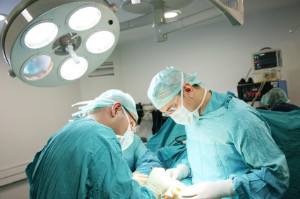 A common form of foot surgery is performed on the toes. It can be done to improve a toe deformity, remove joint pain originating from the toes, or to repair a broken toe. The surgery technique may involve lengthening the tendons that may have become shorter if hammertoe has developed, or the shape of the bone may be changed to a correct position. The recovery process may consist of resting and elevating the foot to reduce existing swelling, and practicing a gentle stretching and exercise regime may accelerate the healing process and allow you to resume everyday activities. If you are interested in learning more about toe surgery, it is suggested that you consult with a podiatrist who can help you to make the correct decision for you.
Foot surgery is sometimes necessary to treat a foot ailment. To learn more, contact Dr. Scott Shrem of Garden State Foot & Ankle Center. Our doctor will assist you with all of your foot and ankle needs.
When Is Surgery Necessary?
Foot and ankle surgery is generally reserved for cases in which less invasive, conservative procedures have failed to alleviate the problem. Some of the cases in which surgery may be necessary include:
- Removing foot deformities like bunions and bone spurs
- Severe arthritis that has caused bone issues
- Cosmetic reconstruction
What Types of Surgery Are There?
The type of surgery you receive will depend on the nature of the problem you have. Some of the possible surgeries include:
- Bunionectomy for painful bunions
- Surgical fusion for realignment of bones
- Neuropathy decompression surgery to treat nerve damage
Benefits of Surgery
Although surgery is usually a last resort, it can provide more complete pain relief compared to non-surgical methods and may allow you to finally resume full activity.
Surgical techniques have also become increasingly sophisticated. Techniques like endoscopic surgery allow for smaller incisions and faster recovery times.
If you have any questions, please feel free to contact our office located in Hazlet, NJ . We offer the newest diagnostic and treatment technologies for all your foot care needs.
Blog Archives
- April 2026
- March 2026
- February 2026
- January 2026
- December 2025
- November 2025
- October 2025
- September 2025
- August 2025
- July 2025
- June 2025
- May 2025
- April 2025
- March 2025
- February 2025
- January 2025
- December 2024
- November 2024
- October 2024
- September 2024
- August 2024
- July 2024
- June 2024
- May 2024
- April 2024
- March 2024
- February 2024
- January 2024
- December 2023
- November 2023
- October 2023
- September 2023
- August 2023
- July 2023
- June 2023
- May 2023
- April 2023
- March 2023
- February 2023
- January 2023
- December 2022
- November 2022
- October 2022
- September 2022
- August 2022
- July 2022
- June 2022
- May 2022
- April 2022
- March 2022
- February 2022
- January 2022
- December 2021
- November 2021
- October 2021
- September 2021
- August 2021
- July 2021
- June 2021
- May 2021
- April 2021
- March 2021
- February 2021
- January 2021
- December 2020
- November 2020
- October 2020
- September 2020
- August 2020
- July 2020
- June 2020
- May 2020
- April 2020
- March 2020
- February 2020
- January 2020
- December 2019
- November 2019
- October 2019
- September 2019
- August 2019
- July 2019
- June 2019
- May 2019
- April 2019
- March 2019
- February 2019
- January 2019
- December 2018
- November 2018
- October 2018
- September 2018
- August 2018
- July 2018
- June 2018
- May 2018
- April 2018
- March 2018