


June 2025
Tuesday, 24 June 2025 00:00
Pros and Cons of Flatfoot Surgery
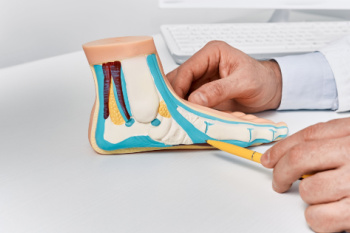
Surgery is an option for rebuilding the arch of the foot when the structure has collapsed and causes ongoing pain or instability. People with flat feet often experience discomfort in the arch, heel, or ankle, along with poor foot alignment that can lead to difficulty in walking. Flatfoot surgery involves shifting bone position, repairing ligaments, or replacing damaged tendons to support the arch. These changes improve foot function, reduce pain, and help prevent complications. A podiatrist can determine the appropriate surgical method based on the severity of the condition and how much the arch has collapsed. The advantages of flatfoot surgery include better foot support, improved posture, and relief from pressure along the inner foot and ankle. However, recovery can be lengthy and may involve risks such as infection, swelling, or poor bone healing. A podiatrist provides the necessary evaluation and guidance throughout the process. If you have foot pain caused by flat feet, it is suggested that you schedule an appointment with a podiatrist to find out if surgery is a treatment option.
Flatfoot is a condition many people suffer from. If you have flat feet, contact Dr. Scott Shrem from Garden State Foot & Ankle Center. Our doctor will treat your foot and ankle needs.
What Are Flat Feet?
Flatfoot is a condition in which the arch of the foot is depressed and the sole of the foot is almost completely in contact with the ground. About 20-30% of the population generally has flat feet because their arches never formed during growth.
Conditions & Problems:
Having flat feet makes it difficult to run or walk because of the stress placed on the ankles.
Alignment – The general alignment of your legs can be disrupted, because the ankles move inward which can cause major discomfort.
Knees – If you have complications with your knees, flat feet can be a contributor to arthritis in that area.
Symptoms
- Pain around the heel or arch area
- Trouble standing on the tip toe
- Swelling around the inside of the ankle
- Flat look to one or both feet
- Having your shoes feel uneven when worn
Treatment
If you are experiencing pain and stress on the foot you may weaken the posterior tibial tendon, which runs around the inside of the ankle.
If you have any questions, please feel free to contact our office located in Hazlet, NJ . We offer the newest diagnostic and treatment technologies for all your foot care needs.
Tuesday, 17 June 2025 00:00
Strategies for Preventing Falls in Seniors
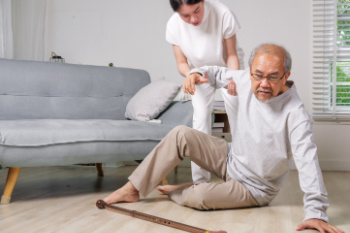
Falls in older adults are often linked to underlying foot conditions that can impair balance, strength, and coordination. Issues such as numbness, joint stiffness, weak ankles, and pain from deformities like bunions or hammertoes may increase the risk of losing balance while walking. Improperly fitting shoes or worn soles can further compromise footing. Addressing these problems can significantly reduce the risk of falls. A podiatrist can assess your foot structure, diagnose conditions affecting mobility, and recommend proper footwear or custom orthotics to improve support. For those with nerve damage or poor circulation in the feet, early detection and treatment are essential to maintaining balance. In some cases, surgery may be advised to correct structural issues that impair gait. Regular foot exams can also help detect progressive conditions before they contribute to instability. If you have foot problems that are likely to contribute to a fall, it is suggested that you schedule an appointment with a podiatrist for expert advice and guidance.
Preventing falls among the elderly is very important. If you are older and have fallen or fear that you are prone to falling, consult with Dr. Scott Shrem from Garden State Foot & Ankle Center. Our doctor will assess your condition and provide you with quality advice and care.
Every 11 seconds, an elderly American is being treated in an emergency room for a fall related injury. Falls are the leading cause of head and hip injuries for those 65 and older. Due to decreases in strength, balance, senses, and lack of awareness, elderly persons are very susceptible to falling. Thankfully, there are a number of things older persons can do to prevent falls.
How to Prevent Falls
Some effective methods that older persons can do to prevent falls include:
- Enrolling in strength and balance exercise program to increase balance and strength
- Periodically having your sight and hearing checked
- Discuss any medications you have with a doctor to see if it increases the risk of falling
- Clearing the house of falling hazards and installing devices like grab bars and railings
- Utilizing a walker or cane
- Wearing shoes that provide good support and cushioning
- Talking to family members about falling and increasing awareness
Falling can be a traumatic and embarrassing experience for elderly persons; this can make them less willing to leave the house, and less willing to talk to someone about their fears of falling. Doing such things, however, will increase the likelihood of tripping or losing one’s balance. Knowing the causes of falling and how to prevent them is the best way to mitigate the risk of serious injury.
If you have any questions, please feel free to contact our office located in Hazlet, NJ . We offer the newest diagnostic and treatment technologies for all your foot care needs.
Wednesday, 11 June 2025 00:00
Are Bunions Affecting Your Everyday Life?
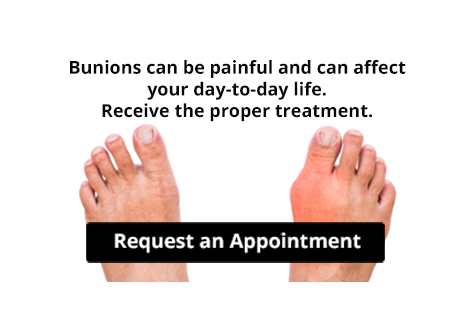
Have you noticed a bony protrusion on the side of your big toe? If so, you may have developed the foot condition known as a bunion. Don't let bunions interfere with your daily activities.
Tuesday, 10 June 2025 00:00
What Is Sesamoiditis?

Sesamoiditis is a painful condition involving inflammation of the sesamoid bones, two small bones located beneath the big toe joint. These bones help with movement and bear weight during walking and running. Sesamoiditis is usually caused by repetitive stress, high-impact activities, or wearing shoes that do not provide enough support. Symptoms include pain under the big toe, swelling, bruising, and difficulty bending or straightening the toe. Risk factors include participating in sports like running or dancing, having high arches, or spending long hours on hard surfaces. A podiatrist can diagnose sesamoiditis through examination and imaging, then recommend treatments such as rest, footwear changes, custom orthotics, and stretching exercises to reduce pain and promote healing. If you have pain in this part of your foot, it is suggested that you contact a podiatrist who can accurately diagnose the problem, and offer appropriate relief and treatment solutions.
Sesamoiditis is an unpleasant foot condition characterized by pain in the balls of the feet. If you think you’re struggling with sesamoiditis, contact Dr. Scott Shrem of Garden State Foot & Ankle Center. Our doctor will treat your condition thoroughly and effectively.
Sesamoiditis
Sesamoiditis is a condition of the foot that affects the ball of the foot. It is more common in younger people than it is in older people. It can also occur with people who have begun a new exercise program, since their bodies are adjusting to the new physical regimen. Pain may also be caused by the inflammation of tendons surrounding the bones. It is important to seek treatment in its early stages because if you ignore the pain, this condition can lead to more serious problems such as severe irritation and bone fractures.
Causes of Sesamoiditis
- Sudden increase in activity
- Increase in physically strenuous movement without a proper warm up or build up
- Foot structure: those who have smaller, bonier feet or those with a high arch may be more susceptible
Treatment for sesamoiditis is non-invasive and simple. Doctors may recommend a strict rest period where the patient forgoes most physical activity. This will help give the patient time to heal their feet through limited activity. For serious cases, it is best to speak with your doctor to determine a treatment option that will help your specific needs.
If you have any questions, please feel free to contact our office located in Hazlet, NJ . We offer the newest diagnostic and treatment technologies for all your foot care needs.
Tuesday, 03 June 2025 00:00
Daily Foot Care and Podiatry Support

Caring for your feet is essential to maintaining overall health and comfort. Washing your feet daily with warm water and drying them thoroughly, especially between the toes, helps prevent infections. Alternating shoes gives them time to air out and reduces moisture buildup. Avoiding flip flops for long periods helps prevent strain, while choosing supportive shoes protects the arches and joints. Checking your feet each day for cuts, blisters, or other changes is important, especially for anyone with diabetes or circulation issues. A podiatrist can provide expert advice on proper foot care, recommend the best footwear for your needs, and treat any issues early. If you have foot pain, it is suggested that you consult a podiatrist who can treat various foot conditions, and guide you on important foot care tips.
Everyday foot care is very important to prevent infection and other foot ailments. If you need your feet checked, contact Dr. Scott Shrem from Garden State Foot & Ankle Center. Our doctor can provide the care you need to keep you pain-free and on your feet.
Everyday Foot Care
Often, people take care of their bodies, face and hair more so than they do for their feet. But the feet are a very important aspect of our bodies, and one that we should pay more attention to. Without our feet, we would not be able to perform most daily tasks.
It is best to check your feet regularly to make sure there are no new bruises or cuts that you may not have noticed before. For dry feet, moisturizer can easily be a remedy and can be applied as often as necessary to the affected areas. Wearing shoes that fit well can also help you maintain good foot health, as well as making it easier to walk and do daily activities without the stress or pain of ill-fitting shoes, high heels, or even flip flops. Wearing clean socks with closed shoes is important to ensure that sweat and bacteria do not accumulate within the shoe. Clean socks help to prevent Athlete’s foot, fungi problems, bad odors, and can absorb sweat.
If you have any questions, please feel free to contact our office located in Hazlet, NJ . We offer the newest diagnostic and treatment technologies for all your foot care needs.
Blog Archives
- April 2026
- March 2026
- February 2026
- January 2026
- December 2025
- November 2025
- October 2025
- September 2025
- August 2025
- July 2025
- June 2025
- May 2025
- April 2025
- March 2025
- February 2025
- January 2025
- December 2024
- November 2024
- October 2024
- September 2024
- August 2024
- July 2024
- June 2024
- May 2024
- April 2024
- March 2024
- February 2024
- January 2024
- December 2023
- November 2023
- October 2023
- September 2023
- August 2023
- July 2023
- June 2023
- May 2023
- April 2023
- March 2023
- February 2023
- January 2023
- December 2022
- November 2022
- October 2022
- September 2022
- August 2022
- July 2022
- June 2022
- May 2022
- April 2022
- March 2022
- February 2022
- January 2022
- December 2021
- November 2021
- October 2021
- September 2021
- August 2021
- July 2021
- June 2021
- May 2021
- April 2021
- March 2021
- February 2021
- January 2021
- December 2020
- November 2020
- October 2020
- September 2020
- August 2020
- July 2020
- June 2020
- May 2020
- April 2020
- March 2020
- February 2020
- January 2020
- December 2019
- November 2019
- October 2019
- September 2019
- August 2019
- July 2019
- June 2019
- May 2019
- April 2019
- March 2019
- February 2019
- January 2019
- December 2018
- November 2018
- October 2018
- September 2018
- August 2018
- July 2018
- June 2018
- May 2018
- April 2018
- March 2018