


January 2026
Tuesday, 27 January 2026 00:00
Different Types of Foot and Ankle Wounds Explained
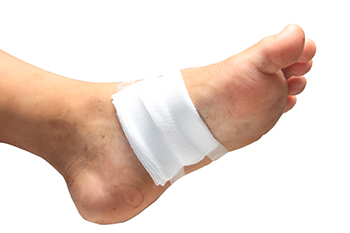
Foot and ankle wounds fall into several common categories based on how they develop. Pressure-related wounds form from constant weight or rubbing and are often found on heels, toes, or areas over bone. Arterial wounds are linked to poor blood flow, and usually appear on the toes or outer foot with dry or pale tissue. Venous wounds occur when blood does not return well to the heart and are more common around the ankles with swelling and skin discoloration. Neuropathic wounds develop when sensation is reduced, allowing injuries to go unnoticed and worsen over time. Additionally, surgical wounds may struggle to close after procedures if swelling, infection, or movement interferes with healing. Traumatic wounds result from cuts, punctures, or falls and vary in depth and severity. Identifying the type helps guide care. If a foot or ankle wound is slow to heal, evaluation by a podiatrist is suggested for accurate diagnosis and treatment.
Wound care is an important part in dealing with diabetes. If you have diabetes and a foot wound or would like more information about wound care for diabetics, consult with Dr. Scott Shrem from Garden State Foot & Ankle Center. Our doctor will assess your condition and provide you with quality foot and ankle treatment.
What Is Wound Care?
Wound care is the practice of taking proper care of a wound. This can range from the smallest to the largest of wounds. While everyone can benefit from proper wound care, it is much more important for diabetics. Diabetics often suffer from poor blood circulation which causes wounds to heal much slower than they would in a non-diabetic.
What Is the Importance of Wound Care?
While it may not seem apparent with small ulcers on the foot, for diabetics, any size ulcer can become infected. Diabetics often also suffer from neuropathy, or nerve loss. This means they might not even feel when they have an ulcer on their foot. If the wound becomes severely infected, amputation may be necessary. Therefore, it is of the upmost importance to properly care for any and all foot wounds.
How to Care for Wounds
The best way to care for foot wounds is to prevent them. For diabetics, this means daily inspections of the feet for any signs of abnormalities or ulcers. It is also recommended to see a podiatrist several times a year for a foot inspection. If you do have an ulcer, run the wound under water to clear dirt from the wound; then apply antibiotic ointment to the wound and cover with a bandage. Bandages should be changed daily and keeping pressure off the wound is smart. It is advised to see a podiatrist, who can keep an eye on it.
If you have any questions please contact our office located in Hazlet, NJ . We offer the newest diagnostic and treatment technologies for all your foot and ankle needs.
Tuesday, 20 January 2026 00:00
Recognizing Complications From Gout

Gout can lead to several foot-related complications when flares repeat over time. Ongoing inflammation in the toes and ankles can damage cartilage and bone, causing joint deformity, stiffness, and limits in motion. Painful flares can interfere with walking, balance, and daily activities, increasing strain on other areas of the foot. Skin over inflamed joints can become fragile, raising the risk of cracks, sores, or infection, especially when swelling alters shoe fit. Changes in circulation linked to gout can also slow healing in the feet and increase the risk of ulcers. Long-term joint damage can result in instability that raises the chance of falls. A podiatrist can assess joint changes and recommend treatment or surgery. If you have complications from gout, it is suggested that you make an appointment with a podiatrist for a diagnosis and options for help in managing this condition.
Gout is a painful condition that can be treated. If you are seeking treatment, contact Dr. Scott Shrem from Garden State Foot & Ankle Center. Our doctor will treat your foot and ankle needs.
What Is Gout?
Gout is a form of arthritis that is characterized by sudden, severe attacks of pain, redness, and tenderness in the joints. The condition usually affects the joint at the base of the big toe. A gout attack can occur at any random time, such as the middle of the night while you are asleep.
Symptoms
- Intense Joint Pain - Usually around the large joint of your big toe, and it most severe within the first four to twelve hours
- Lingering Discomfort - Joint discomfort may last from a few days to a few weeks
- Inflammation and Redness -Affected joints may become swollen, tender, warm and red
- Limited Range of Motion - May experience a decrease in joint mobility
Risk Factors
- Genetics - If family members have gout, you’re more likely to have it
- Medications - Diuretic medications can raise uric acid levels
- Gender/Age - Gout is more common in men until the age of 60. It is believed that estrogen protects women until that point
- Diet - Eating red meat and shellfish increases your risk
- Alcohol - Having more than two alcoholic drinks per day increases your risk
- Obesity - Obese people are at a higher risk for gout
Prior to visiting your podiatrist to receive treatment for gout, there are a few things you should do beforehand. If you have gout you should write down your symptoms--including when they started and how often you experience them, important medical information you may have, and any questions you may have. Writing down these three things will help your podiatrist in assessing your specific situation so that he or she may provide the best route of treatment for you.
If you have any questions, please feel free to contact our office located in Hazlet, NJ . We offer the newest diagnostic and treatment technologies for all your foot care needs.
Tuesday, 13 January 2026 00:00
Foot Injuries in Rock Climbers

Rock climbing places intense demands on the feet, especially when tight climbing shoes are worn for extended periods. These shoes are designed for precision but can lead to overstrain in the ankle and forefoot as toes are forced into unnatural positions. Common foot injuries in rock climbers include tendon strain, joint irritation, nerve compression, and pain in the ball of the foot. Repeated pressure and limited movement may also contribute to stiffness and reduced circulation. Over time, these stresses can affect balance, strength, and overall climbing performance. A podiatrist can assess foot mechanics, identify sources of strain, and recommend treatment options like activity modification, stretching, footwear guidance, or custom orthotics for support outside of climbing shoes. If foot or ankle pain is interfering with your climbing goals, it is suggested that you schedule an appointment with a podiatrist who can treat various foot and ankle injuries, and guide you on tips on how to protect your feet while rock climbing.
Ankle and foot injuries are common among athletes and in many sports. They can be caused by several problems and may be potentially serious. If you are feeling pain or think you were injured in a sporting event or when exercising, consult with Dr. Scott Shrem from Garden State Foot & Ankle Center. Our doctor will assess your condition and provide you with quality foot and ankle treatment.
Common Injuries
The most common injuries that occur in sporting activities include:
- Achilles Tendonitis
- Achilles Tendon Rupture
- Ankle Sprains
- Broken Foot
- Plantar Fasciitis
- Stress Fractures
- Turf Toe
Symptoms
Symptoms vary depending upon the injury and in some cases, there may be no symptoms at all. However, in most cases, some form of symptom is experienced. Pain, aching, burning, bruising, tenderness, tightness or stiffness, sensation loss, difficulty moving, and swelling are the most common symptoms.
Treatment
Just as symptoms vary depending upon the injury, so do treatment options. A common treatment method is known as the RICE method. This method involves rest, applying ice, compression and elevating the afflicted foot or ankle. If the injury appears to be more serious, surgery might be required, such as arthroscopic or reconstructive surgery. Lastly, rehabilitation or therapy might be needed to gain full functionality in the afflicted area. Any discomfort experienced by an athlete must be evaluated by a licensed, reputable medical professional.
If you have any questions please contact our office located in Hazlet, NJ . We offer the newest diagnostic and treatment technologies for all your foot and ankle needs.
Friday, 09 January 2026 00:00
Wounds That Don't Heal Need to Be Checked

Your feet are covered most of the day. If you're diabetic, periodic screening is important for good health. Numbness is often a sign of diabetic foot and can mask a sore or wound.
Tuesday, 06 January 2026 00:00
Managing Bunions

Bunions are a common foot condition where the tip of the big toe gradually shifts toward the smaller toes, creating a visible bump at the side of the foot. They are often caused by inherited foot structure, wearing improper footwear, arthritis, or repeated pressure on the joint. A bunion may look red, swollen, or enlarged and can feel tender, stiff, or painful, especially when walking or wearing narrow shoes. Some people experience burning sensations or limited toe movement. A podiatrist can help from the start by evaluating foot structure, gait, and joint alignment, sometimes using imaging to confirm the diagnosis. Non-surgical treatments may include footwear recommendations, padding, custom orthotics, and targeted exercises to reduce strain and improve comfort. Early management can slow progression, ease pain, and improve daily mobility. If you have a painful bunion, it is suggested that you schedule an appointment with a podiatrist for effective relief and treatment solutions.
If you are suffering from bunions, contact Dr. Scott Shrem of Garden State Foot & Ankle Center. Our doctor can provide the care you need to keep you pain-free and on your feet.
What Is a Bunion?
A bunion is formed of swollen tissue or an enlargement of boney growth, usually located at the base joint of the toe that connects to the foot. The swelling occurs due to the bones in the big toe shifting inward, which impacts the other toes of the foot. This causes the area around the base of the big toe to become inflamed and painful.
Why Do Bunions Form?
Genetics – Susceptibility to bunions are often hereditary
Stress on the feet – Poorly fitted and uncomfortable footwear that places stress on feet, such as heels, can worsen existing bunions
How Are Bunions Diagnosed?
Podiatrists often perform two tests – blood tests and x-rays – when trying to diagnose bunions, especially in the early stages of development. Blood tests help determine if the foot pain is being caused by something else, such as arthritis, while x-rays provide a clear picture of your bone structure to your provider.
How Are Bunions Treated?
- Refrain from wearing heels or similar shoes that cause discomfort
- Select wider shoes that can provide more comfort and reduce pain
- Anti-inflammatory and pain management drugs
- Orthotics or foot inserts
- Surgery
If you have any questions, please feel free to contact our office located in Hazlet, NJ . We offer the newest diagnostic and treatment technologies for all your foot care needs.
Blog Archives
- April 2026
- March 2026
- February 2026
- January 2026
- December 2025
- November 2025
- October 2025
- September 2025
- August 2025
- July 2025
- June 2025
- May 2025
- April 2025
- March 2025
- February 2025
- January 2025
- December 2024
- November 2024
- October 2024
- September 2024
- August 2024
- July 2024
- June 2024
- May 2024
- April 2024
- March 2024
- February 2024
- January 2024
- December 2023
- November 2023
- October 2023
- September 2023
- August 2023
- July 2023
- June 2023
- May 2023
- April 2023
- March 2023
- February 2023
- January 2023
- December 2022
- November 2022
- October 2022
- September 2022
- August 2022
- July 2022
- June 2022
- May 2022
- April 2022
- March 2022
- February 2022
- January 2022
- December 2021
- November 2021
- October 2021
- September 2021
- August 2021
- July 2021
- June 2021
- May 2021
- April 2021
- March 2021
- February 2021
- January 2021
- December 2020
- November 2020
- October 2020
- September 2020
- August 2020
- July 2020
- June 2020
- May 2020
- April 2020
- March 2020
- February 2020
- January 2020
- December 2019
- November 2019
- October 2019
- September 2019
- August 2019
- July 2019
- June 2019
- May 2019
- April 2019
- March 2019
- February 2019
- January 2019
- December 2018
- November 2018
- October 2018
- September 2018
- August 2018
- July 2018
- June 2018
- May 2018
- April 2018
- March 2018